
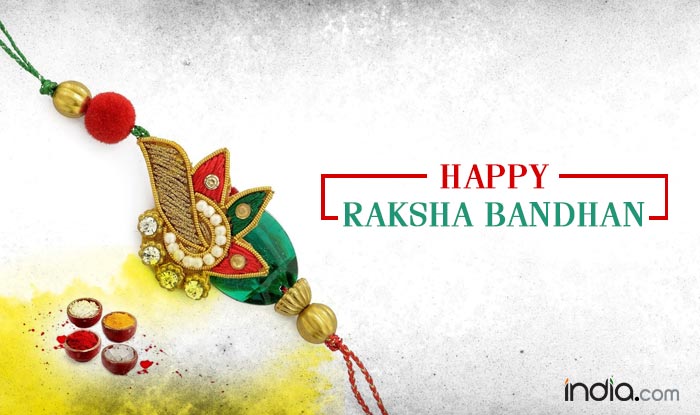
The Significance of Raksha Bandhan: Celebrating the Unbreakable Bond Between Brothers and Sisters
Introduction
Raksha Bandhan, an auspicious festival celebrated in India and other parts of South Asia, holds immense cultural and emotional significance. It’s a celebration of the unbreakable bond between brothers and sisters, symbolizing love, protection, and unwavering support.
Origin and Mythology
The origin of Raksha Bandhan can be traced back to Hindu mythology. According to legend, Lord Krishna, while battling a demon named Shishupala, got his finger injured. His beloved sister, Draupadi, tore a piece of her sari and tied it around his finger to stop the bleeding. This act of protection and love is said to have established the tradition of Raksha Bandhan.
The Ritual
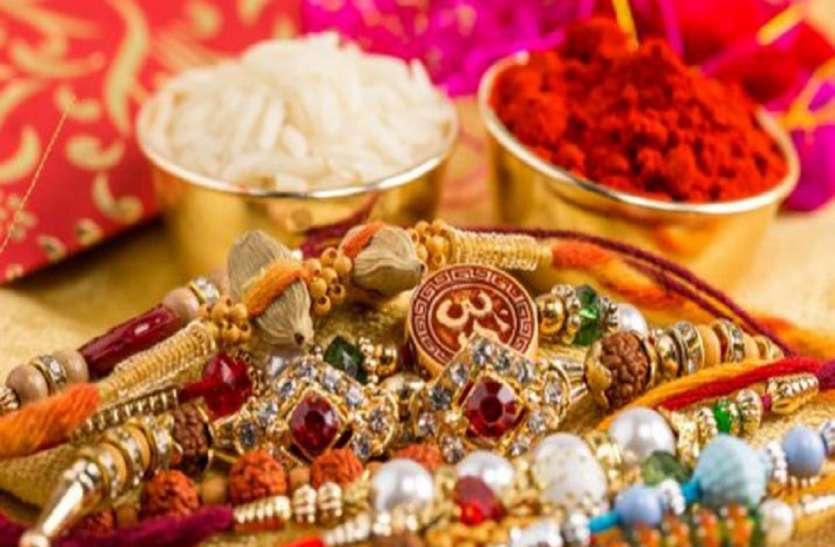
On Raksha Bandhan, sisters prepare a special plate known as “puja thali” containing a rakhi (a sacred thread), roli (vermilion paste), rice, sweets, and a lamp. The rakhi is intricately designed and decorated with beads, stones, and colorful threads. The sister ties the rakhi on her brother’s wrist while reciting a mantra that invokes protection and blessings for him. In return, the brother gives his sister gifts and promises to protect and care for her throughout her life.
Cultural Significance
Raksha Bandhan is a festival that celebrates family values, love, and sacrifice. It strengthens the bond between siblings and fosters a sense of unity and togetherness. It’s a time when brothers and sisters come together to express their affection, gratitude, and prayers for each other’s well-being.
Beyond Biological Siblings
In modern times, the festival has evolved to include the concept of “rakhi sisters” and “rakhi brothers.” People who have close relationships that extend beyond biological ties can also exchange rakhis on this special occasion. This signifies acceptance, love, and the desire for protection and support.
Protection and Empowerment
The tradition of Raksha Bandhan not only celebrates the bond between siblings but also serves as a reminder of the importance of protecting and empowering women in society. It highlights the duty of brothers to safeguard and provide for their sisters and promotes respect and equality between genders.
Conclusion
Raksha Bandhan is a beautiful and意義のある festival that celebrates the unique and enduring bond between brothers and sisters. It’s a day to cherish the love they share, to express gratitude for their constant support, and to pray for each other’s happiness and safety. By observing this tradition, we not only strengthen the bonds within our families but also spread love, protection, and empowerment throughout our communities and society as a whole.## The Significance of Raksha Bandhan: Celebrating the Bond Between Brothers and Sisters
## Executive Summary
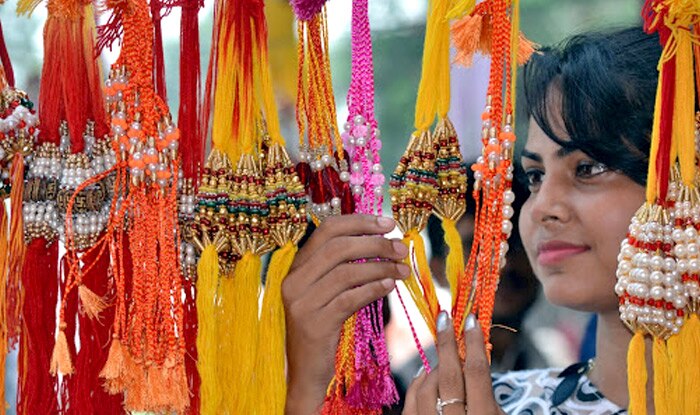
Raksha Bandhan, also known as Rakhi, is a traditional Hindu festival celebrated in India and other parts of South Asia. It is a joyous occasion that commemorates the unwavering bond between brothers and sisters. During this festival, sisters tie sacred threads, known as ‘rakhis,’ around their brothers’ wrists as a symbol of protection and love, while brothers pledge to safeguard their sisters and honor their special bond.
## Introduction
Raksha Bandhan is not just a ritual; it holds immense cultural significance and embodies the essence of siblinghood. The festival’s origins can be traced back to ancient mythology and folklore, further enriching its charm and relevance in modern times.
## FAQs
-
When is Raksha Bandhan celebrated?
Raksha Bandhan is celebrated on the full moon day of the Hindu month of Shravana, which usually falls in August. -
What is the significance of the rakhi thread?
The rakhi thread, or ‘rakhi,’ symbolizes the sacred bond between brothers and sisters. It is believed to protect the brother from harm and bring good luck. -
What is the role of brothers in Raksha Bandhan?
Brothers play a crucial role in Raksha Bandhan. They are expected to accept their sisters’ rakhis and pledge to protect them from any danger or adversity.
## Subtopics
The Mythology of Raksha Bandhan
Raksha Bandhan finds its roots in several ancient Hindu legends. One popular tale tells of Draupadi, the wife of the Pandava brothers, tying a rakhi around Lord Krishna’s wrist during the Kurukshetra War. This act symbolized her seeking protection from Krishna, who in turn promised to guard her honor and well-being.
- The Legend of Yama and Yamuna: This story depicts the bond between the god of death, Yama, and his sister, Yamuna. Yamuna tied a rakhi around Yama’s wrist, making him promise to visit her on Raksha Bandhan and bless the lives of her children.
- The Protection of Lord Vishnu: The festival is also associated with the protection offered by Lord Vishnu. According to legend, King Bali, after defeating the gods, was granted a boon to rule the heavens. However, Lord Vishnu, disguised as Vamana, visited Bali and tricked him into granting him three steps of land. Vishnu then used these steps to measure the entire universe, restoring the gods’ power and protecting them from Bali’s tyranny.
The Observances of Raksha Bandhan
The celebration of Raksha Bandhan involves a number of traditional rituals and customs:
- Tying the Rakhi: Sisters tie rakhis around their brothers’ wrists, accompanied by prayers and blessings for their well-being.
- Exchange of Gifts: Brothers and sisters often exchange gifts as a token of their love and affection for each other.
- Feasting and Festivities: Families gather for festive meals and share sweets and other delicacies.
- Social Significance: Raksha Bandhan fosters a sense of community and reinforces the importance of family ties.
The Impact of Raksha Bandhan
Raksha Bandhan has a profound impact on the lives of brothers and sisters:
- Strengthening Sibling Bonds: The festival serves as an occasion to reaffirm and strengthen the bond between siblings.
- Demonstrating Love and Support: The exchange of rakhis and gifts symbolizes the unconditional love and support siblings provide each other.
- Promoting Family Unity: Raksha Bandhan brings families closer together and emphasizes the significance of familial relationships.
- Preserving Cultural Heritage: The festival plays a crucial role in preserving and passing down traditional values and customs.
Raksha Bandhan in Modern Times
While Raksha Bandhan remains rooted in tradition, it has also evolved to adapt to modern lifestyles:
- Virtual Celebrations: With the advent of technology, brothers and sisters who live far apart can now celebrate Raksha Bandhan virtually through video calls and instant messaging.
- Personalized Rakhis: Rakhis have become more personalized and creative, with unique designs and messages that reflect the special bond between siblings.
- Extended Significance: The festival is now also celebrated between friends and cousins, signifying the broader concept of protection and love.
Conclusion
Raksha Bandhan is a beautiful and meaningful festival that celebrates the enduring bond between brothers and sisters. It is a time for reflection, appreciation, and the renewal of vows to protect and care for each other. The festival’s rich mythology, traditional observances, and lasting impact make it an integral part of Indian culture and a testament to the power of siblinghood.
## Keyword Tags
- Raksha Bandhan
- Rakhi
- Sibling Bond
- Hindu Festival
- Protection and Love