Reincarnation
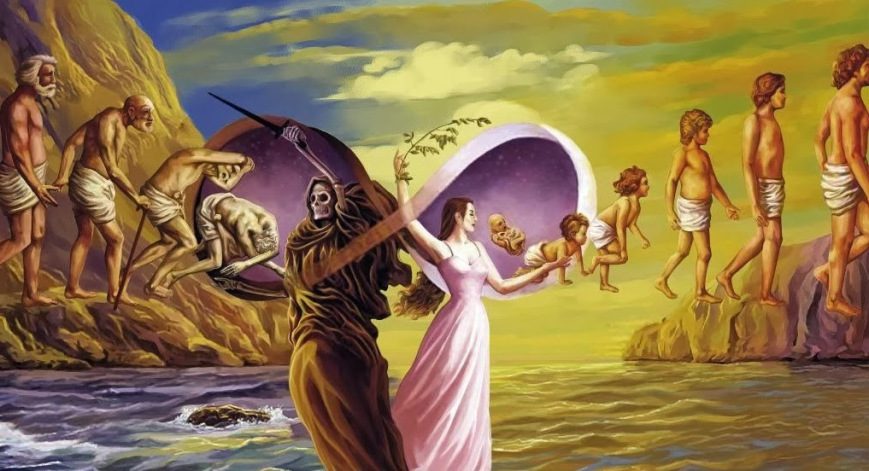
Reincarnation is the belief that a soul or spirit, after death, can begin a new life in a new body. This process of rebirth is said to continue until the soul has achieved a state of enlightenment or liberation.
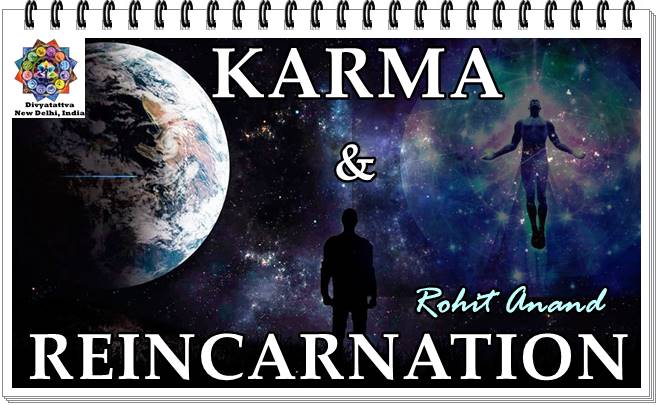
In Hinduism, reincarnation is seen as a natural part of the cycle of life and death. It is believed that the actions and experiences of a person in one life will determine the circumstances of their next life. This concept of karma is closely linked to the idea of reincarnation.
Karma
Karma is the belief that every action has a corresponding reaction. This reaction can be positive or negative, and it is said to determine the quality of a person’s life.
In Hinduism, karma is seen as a universal law that governs all beings. It is believed that the actions of a person in one life will have consequences in their next life. This concept of cause and effect is seen as a just and fair way of ensuring that everyone is held accountable for their actions.
The Cycle of Reincarnation and Karma
The cycle of reincarnation and karma is seen as a journey of spiritual evolution. Through the process of rebirth, a soul is said to learn from its experiences and gradually progress towards a state of enlightenment.
This journey is not always easy, and it can involve many challenges and setbacks. However, it is believed that through perseverance and determination, anyone can eventually achieve liberation from the cycle of reincarnation.
The Implications of Reincarnation and Karma
The concept of reincarnation and karma has a number of implications for how Hindus live their lives. For example, it encourages people to be kind, compassionate, and ethical in their actions, as they know that their actions will have consequences in their next life.
It also gives people hope that even if they experience hardship in this life, they can improve their circumstances in their next life through their own actions.
The concept of reincarnation and karma is a complex and nuanced one, and there are many different interpretations of it within Hinduism. However, it is a fundamental belief that has shaped the way Hindus live their lives for centuries.## Exploring the Hindu Concept of Reincarnation and Karma
Executive Summary
The Hindu concept of reincarnation and karma profoundly influences the lives and beliefs of millions worldwide. Reincarnation suggests that the soul transmigrates from one body to another after death, while karma dictates the quality of future lives based on actions in current and past lives. Understanding these concepts provides a deep insight into Hindu philosophy, its impact on society, and its relevance in today’s world.
Introduction
The Hindu belief in reincarnation and karma is an age-old concept that has shaped the spiritual and ethical framework of Indian civilization. It is closely tied to concepts of dharma, the law of righteousness, and moksha, the ultimate goal of liberation from the cycle of rebirth. Reincarnation and karma together form a complex and profound philosophy that governs the actions and aspirations of Hindus.
FAQs
Q: What is reincarnation?
A: Reincarnation, also known as transmigration of the soul, is the belief that after physical death, the soul or essence of an individual is reborn into a new body. The new life form may be human or non-human, depending on the individual’s actions in past lives.
Q: How does karma affect reincarnation?
A: Karma refers to the law of cause and effect, which governs the quality of life experiences. Good actions accrue positive karma, while bad actions accrue negative karma. The accumulation of karma determines the nature of subsequent rebirths.
Q: What is the ultimate goal of reincarnation and karma?
A: Moksha is the ultimate goal of the Hindu spiritual path, where the individual soul achieves liberation from the cycle of reincarnation and merges with the divine.
Subtopics
1. Dharma: The Law of Righteousness
- Dharma is the moral code and ethical principles that guide Hindu conduct.
- Following dharma accumulates positive karma and spiritual growth.
- Four main types of dharma: svadharma (individual duty), varnasrama (social duty), rajadharma (duty of rulers), and lokasamgraha (duty to society).
2. Karma: The Law of Cause and Effect
- Karma is the principle of action and consequence.
- It dictates that every action, thought, or deed has a corresponding reaction in this life or future lives.
- Types of karma: Sanchita (accumulated), Prarabdha (active), Kriyamana (current).
3. Punarjanma: The Cycle of Rebirth
- Punarjanma refers to the cycle of rebirth and the transmigration of the soul from one life form to another.
- The nature of future rebirths is determined by karma.
- The cycle continues until moksha is achieved.
4. Maya: The Illusion of the Material World
- Maya is the illusionary veil that conceals the true nature of reality.
- It creates a sense of attachment to the material world and hinders spiritual progress.
- Overcoming Maya leads to enlightenment and moksha.
5. Moksha: Liberation from Reincarnation
- Moksha is the ultimate goal of Hindu spirituality, where the soul breaks free from the cycle of reincarnation.
- It requires a high level of spiritual realization, self-knowledge, and detachment.
- Achieving moksha leads to eternal bliss and unity with the divine.
Conclusion
The Hindu concepts of reincarnation and karma provide a comprehensive and profound framework for understanding human existence, ethics, and the pursuit of spiritual liberation. They inspire millions to live virtuous lives, strive for self-improvement, and seek ultimate emancipation from the cycle of rebirth. By delving into these concepts, we gain a deeper understanding of Hinduism and its impact on individuals and societies worldwide.
Keyword Tags
- Reincarnation
- Karma
- Dharma
- Moksha
- Hindu Philosophy