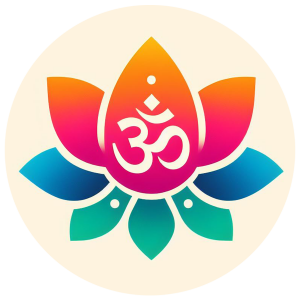

Unveiling the Sacred Symbols of Hinduism
Om
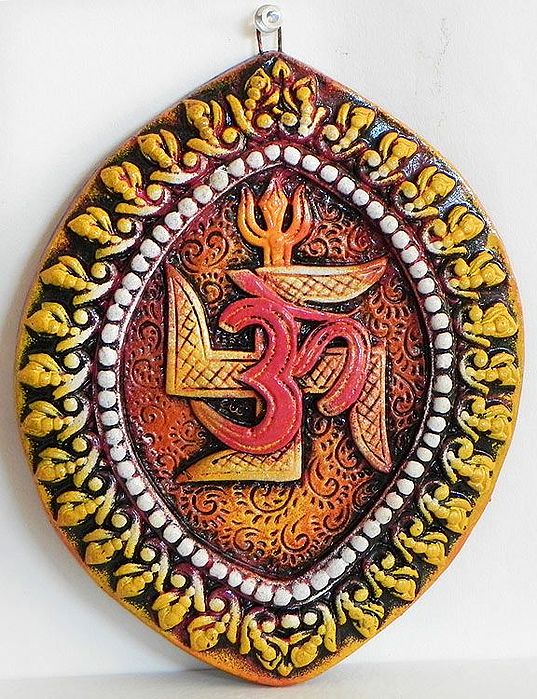
Om (ॐ), an ancient and sacred symbol in Hinduism, represents the primordial sound from which the universe originated. It symbolizes the union of the three deities of the Hindu Trinity: Brahma (creator), Vishnu (preserver), and Shiva (destroyer). Om is considered the essence of all mantras and is often chanted during meditation and religious ceremonies.

Swastika
The swastika (卐 or 卍), a geometric symbol with four arms bent at right angles, has been used in various cultures and religions throughout history. In Hinduism, it represents auspiciousness, good luck, and divinity. It is often found on temples, altars, and religious artifacts, and is believed to bring protection and prosperity.
Lotus
The lotus (padma) is a sacred flower that holds a significant place in Hindu mythology and symbolism. It represents purity, beauty, and spiritual growth. The lotus represents the ability to rise above challenges and find enlightenment even in difficult circumstances. It is often associated with the goddess Lakshmi, the deity of wealth and prosperity.
Additional Insights:
- Om is written in Sanskrit, an ancient language of India. It consists of three curves, a semicircle, and a dot. The curves represent the waking, dreaming, and deep sleep states of consciousness, while the semicircle symbolizes the state of pure being. The dot represents the Supreme Reality or Brahman.
- Swastika is derived from the Sanskrit words “su” (well) and “asti” (to be). It is believed to represent the journey of the soul through the cycle of birth, death, and rebirth.
- Lotus is associated with the concept of detachment. Its roots grow in murky water, yet the flower blooms above the surface, untouched by the impurities below. This symbolizes the ability to rise above worldly desires and attachments and achieve spiritual purity.## Exploring Hindu Symbolism: Unlocking The Secrets Of Om, Swastika, And Lotus
Executive Summary
Hindu symbolism is a profound aspect of the ancient Indian tradition, representing spiritual concepts and conveying deep meanings through visual forms. This article delves into the intricate symbolism of Om, Swastika, and Lotus, unlocking their hidden significance and exploring their impact on Hindu spirituality.
Introduction
Hinduism, one of the world’s oldest religions, has developed a rich and complex system of symbolism. Symbols, deeply ingrained in Hindu culture, serve as tools for spiritual contemplation, meditation, and understanding the divine. Among the most revered Hindu symbols are Om, Swastika, and Lotus, each carrying profound meanings that have shaped the beliefs and practices of millions for centuries.
FAQ
- What is the meaning of Om?
- Why is the Swastika considered a sacred symbol in Hinduism?
- How does the Lotus symbolize purity and enlightenment?
Om
Om (ॐ) is the most sacred syllable in Hinduism, representing the divine, the universe, and the ultimate reality. It is believed to be the first sound uttered by the universe during creation and is chanted during meditation and spiritual practices.
- Symbol of the Divine Trinity: Om represents the three main Hindu deities: Brahma (Creator), Vishnu (Preserver), and Shiva (Destroyer).
- The Sound of the Universe: The three sounds of Om (A, U, M) are said to represent the past, present, and future, as well as the three states of consciousness: waking, dreaming, and deep sleep.
- Gateway to Spiritual Liberation: Chanting Om is believed to purify the mind, remove obstacles, and lead to self-realization.
- Universal Vibration: Om is considered to be the primordial vibration that permeates all existence, connecting all things to the divine.
Swastika
The Swastika (卐) is an ancient symbol used in various cultures, including Hinduism. In Hinduism, it represents good fortune, prosperity, and well-being.
- Symbol of Solar Energy: The Swastika resembles the sun’s movement across the sky, representing its power and life-giving qualities.
- Auspiciousness and Protection: The Swastika is often placed on doorways and other entrances to protect against evil spirits and bring good fortune.
- Four Cardinal Directions: The four arms of the Swastika represent the four directions: east, west, north, and south.
- Infinite Cycle of Life and Rebirth: The continuous lines of the Swastika symbolize the endless cycle of creation, destruction, and renewal.
Lotus
The Lotus (पद्म) is a revered flower in Hinduism, symbolizing purity, beauty, and enlightenment. It emerges from the depths of water, representing the rise of the soul from the darkness of ignorance.
- Symbol of Purity and Detachment: The Lotus grows in muddy water yet remains unstained, representing the uncontaminated nature of the spirit.
- Beauty and Grace: The delicate beauty and fragrance of the Lotus are seen as manifestations of the divine.
- Spiritual Enlightenment: The Lotus represents the unfolding of the soul, leading to wisdom and liberation.
- Transcendence of Darkness: The Lotus symbolizes the ability of the soul to rise above suffering and overcome the darkness of ignorance.
Conclusion
Om, Swastika, and Lotus are but a glimpse into the rich tapestry of Hindu symbolism. These symbols embody profound spiritual concepts, guiding followers on their journey of self-discovery and enlightenment. Their intricate meanings continue to inspire and uplift, serving as timeless reminders of the interconnectedness of all things and the ultimate goal of spiritual liberation.
Keyword Tags
- Hindu Symbolism
- Om
- Swastika
- Lotus
- Hinduism