Timelessness Within Time: Exploring the Paradox of Hindu Philosophy
Hindu philosophy presents a unique and profound perspective on the nature of time. It embraces the concept of timelessness within time, a paradoxical concept that challenges the linear and mechanistic understanding of time prevalent in Western thought.
Linear Time vs. Cyclical Time
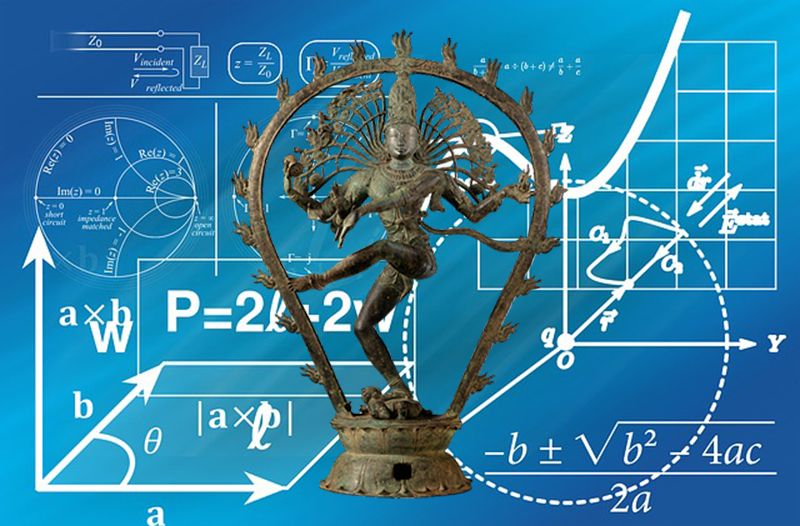
Western philosophy often perceives time as a linear progression, moving in one direction from the past to the present and into the future. In contrast, Hindu philosophy views time as a cyclical process, characterized by recurring cycles of creation, preservation, and dissolution. This cyclical nature is encapsulated in the concept of kala chakra, the wheel of time.
Timelessness within Time
The paradox of timelessness within time arises from the recognition that while time is constantly flowing and changing, there is an underlying essence that remains timeless and unchanging. This essence is often referred to as Brahman, the ultimate reality or ground of existence.
According to Hindu philosophy, Brahman is beyond time and space, and it permeates all things. By realizing our connection to Brahman, we can transcend the limitations of time and experience a sense of timelessness and eternity.
Prakriti and Purusha
The philosophy of Samkhya further elaborates on the relationship between time and timelessness. It postulates the existence of two fundamental principles:
- Prakriti: The material world, which is subject to change and decay.
- Purusha: The eternal and unchanging consciousness that observes Prakriti.
Purusha is not affected by the passage of time, while Prakriti is constantly evolving. By aligning ourselves with Purusha, we can access a state of timelessness within the changing world.
The Illusion of Time
Hindu philosophy also suggests that the perception of time as linear and sequential is an illusion created by our limited perspective. The true nature of time, according to the Brihadaranyaka Upanishad, is “non-being.”
By transcending the illusion of time, we can experience the timeless present moment, free from the limitations of past and future.
Practical Applications
The concept of timelessness within time has practical implications for our daily lives. By recognizing the eternal and unchanging nature of our true selves, we can:
- Develop greater resilience in the face of life’s challenges.
- Experience a sense of inner peace and tranquility.
- Cultivate a deeper understanding of the interconnectedness of all beings.
- Appreciate the present moment without being overly attached to the past or worried about the future.
Conclusion
The paradox of timelessness within time in Hindu philosophy invites us to question our assumptions about the nature of reality. By embracing the cyclical and transcendental aspects of time, we can gain a deeper understanding of our own existence and cultivate a life that is both rooted in the present and connected to the eternal.## Timelessness Within Time: Exploring The Paradox Of Hindu Philosophy
Executive Summary
Hindu philosophy, with its ancient wisdom and profound teachings, offers a unique perspective on the nature of time. This article delves into the fascinating paradox that lies at the heart of this philosophy: the coexistence of timelessness within the cyclical nature of time. Exploring the concepts of Brahman, Maya, Karma, and Moksha, we uncover the profound insights Hindu philosophy provides into the nature of reality, the purpose of life, and the path to ultimate freedom.
Introduction
Hinduism, one of the world’s oldest and most diverse religions, has deeply influenced Indian culture and thought. Its philosophical underpinnings offer a nuanced understanding of time as both a linear and a cyclical phenomenon. This article explores the paradox of timelessness within time, as expounded in Hindu philosophy, revealing the profound implications for our understanding of reality and the human experience.
FAQs
Q: What is the concept of time in Hinduism?
A: Hindu philosophy views time as both linear and cyclical, with each cycle representing a Kalpa (eon).
Q: How does the concept of Brahman relate to time?
A: Brahman, the ultimate reality in Hinduism, transcends time and space, existing in a state of eternal and unchanging being.
Q: What is the role of Karma in the cycle of time?
A: Karma, the law of cause and effect, perpetuates the cycle of time, binding individuals to the consequences of their actions.
Subtopics
Brahman: The Timeless Absolute
- Definition: Brahman is the supreme reality, the ultimate source and essence of all existence.
- Timelessness: Brahman exists beyond the confines of time and space, unaffected by the flow of time.
- Immutability: Brahman is unchanging, unaffected by the myriad changes and transformations of the material world.
- Consciousness: Brahman is pure consciousness, the source of all knowledge and being.
- Unity: Brahman is the ultimate unity, the ground of all existence, transcending all distinctions and divisions.
Maya: The Illusion of Time
- Definition: Maya is the principle of illusion, the force that creates the appearance of the material world.
- Veiling Reality: Maya obscures the true nature of Brahman, creating the illusion of time, space, and multiplicity.
- Cyclic Nature: Maya perpetuates the cycle of time, causing individuals to experience birth, death, and rebirth.
- Bondage to the Material: Attachment to the material world created by Maya leads to suffering and reinforces the cycle of time.
- Liberation from Illusion: Overcoming Maya involves recognizing the illusory nature of the material world and seeking union with Brahman.
Karma: The Wheel of Time
- Definition: Karma is the law of cause and effect, the principle that every action has consequences.
- Binding Nature: Karma binds individuals to the cycle of time, perpetuating the cycle of birth, death, and rebirth.
- Accumulation of Karma: Actions, thoughts, and desires accumulate as karma, influencing future experiences.
- Liberation from Karma: By understanding the nature of Karma and practicing ethical conduct, individuals can gradually transcend its binding influence.
- Grace and Redemption: Hindu philosophy also recognizes the role of grace and redemption in liberating individuals from the cycle of Karma.
Moksha: Liberation from Time
- Definition: Moksha is the ultimate goal of Hindu philosophy, the state of liberation from the cycle of time and suffering.
- Union with Brahman: Moksha is the realization of the true nature of Brahman and the ultimate union with the divine.
- Breaking the Cycle: By transcending Maya and Karma, individuals break free from the cycle of time and achieve eternal freedom.
- Enlightenment and Self-Realization: Moksha is a state of enlightenment and self-realization, where the individual’s true nature is revealed.
- Eternal Joy and Bliss: Moksha brings everlasting happiness and fulfillment, transcending the limitations of time and suffering.
Conclusion
Hindu philosophy’s paradox of timelessness within time offers a transformative perspective on reality and the human experience. By understanding the concepts of Brahman, Maya, Karma, and Moksha, we gain insights into the nature of time, the purpose of life, and the path to ultimate freedom. This ancient wisdom continues to inspire seekers and guide spiritual journeys, offering a timeless message that resonates across time.
Keywords
- Hinduism
- Timelessness
- Brahman
- Maya
- Karma
- Moksha
- Cycle of Time
- Liberation from Time
- Eternal Unity
- Illusion of the Material World