Unveiling the Mysteries: The Secrets Behind Lord Vishnu’s Ten Incarnations
Lord Vishnu, the Supreme Being in Hinduism, is known for his role as the preserver and protector of the universe. He has taken various incarnations, known as Avataras, to restore the balance of good and evil. These incarnations represent different aspects of Vishnu’s divine nature and serve specific purposes.
1. Matsya: The Fish Incarnation
Matsya appeared during the great flood to rescue Manu, the progenitor of humanity, and the Vedas, the sacred scriptures. He represents Vishnu’s ability to protect his devotees from destruction.
2. Kurma: The Tortoise Incarnation
Kurma served as the base for Mount Mandara during the churning of the cosmic ocean. This incarnation signifies Vishnu’s strength and stability.
3. Varaha: The Boar Incarnation
Varaha emerged from the depths of the ocean to defeat the demon Hiranyaksha and rescue the goddess Earth. He represents Vishnu’s courage and determination.
4. Narasimha: The Man-Lion Incarnation
Narasimha appeared to slay the demon Hiranyakashipu, who had become invincible. This incarnation shows Vishnu’s protective nature and his ability to transcend the boundaries of human and animal realms.
5. Vamana: The Dwarf Incarnation
Vamana disguised himself as a dwarf to deceive the demon king Bali. He measured the three worlds in his steps, signifying Vishnu’s omnipresence and his power to conquer all.
6. Parashurama: The Brahmin Incarnation
Parashurama was born as a Brahmin warrior to destroy the Kshatriya kings who had become oppressive. He represents Vishnu’s role as a guardian of justice and righteousness.
7. Rama: The Prince Incarnation
Rama, the protagonist of the epic Ramayana, is an embodiment of human virtues like courage, honesty, and devotion. He represents Vishnu’s compassion and his desire to uphold dharma (righteousness).
8. Krishna: The Divine Cowherd Incarnation
Krishna is one of the most beloved incarnations of Vishnu. He is known for his playful nature and his teachings on the Bhagavad Gita. He represents Vishnu’s love, wisdom, and the essence of the divine.
9. Buddha: The Enlightened Incarnation
Buddha, the founder of Buddhism, is considered an incarnation of Vishnu. He appeared to guide humanity towards enlightenment and to dispel the darkness of ignorance.
10. Kalki: The Future Incarnation
Kalki is the final incarnation of Vishnu, who is prophesied to appear on a white horse at the end of the current Kali Yuga (age of darkness). He will restore order and righteousness to the world.
These ten incarnations of Lord Vishnu showcase his multifaceted nature and his ability to adapt to different circumstances. They serve as reminders of his omnipotence, compassion, and his unwavering commitment to preserving and protecting the universe.## Unveiling The Mysteries: The Secrets Behind Lord Vishnu’s Ten Incarnations
Executive Summary
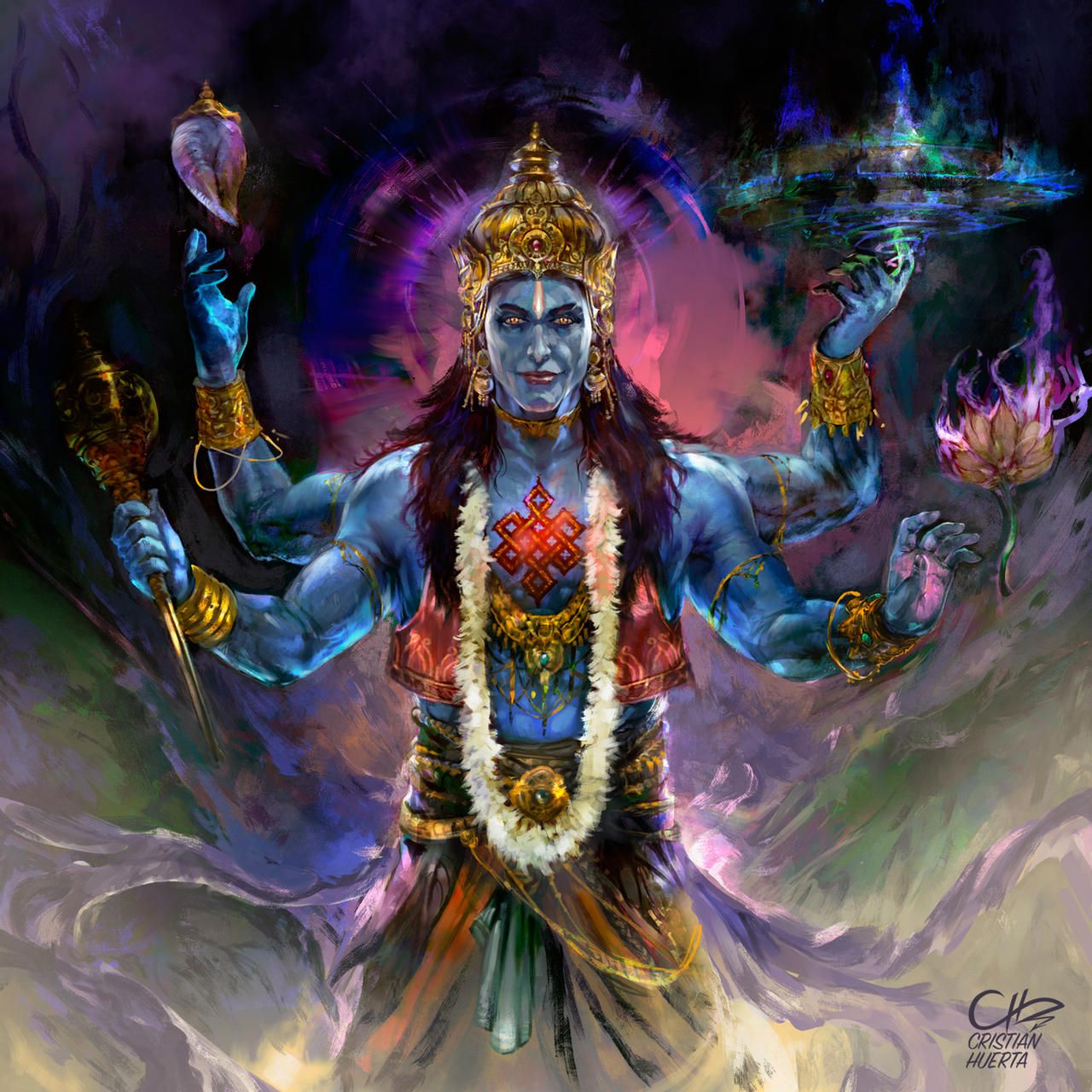
In Hinduism, Lord Vishnu is revered as the Preserver of the Universe. He is often depicted with four arms, holding a lotus, a conch shell, a discus, and a mace. Vishnu is known for taking on various avatars, or incarnations, to protect the world from evil and restore balance. This article will delve into the secrets behind each of Lord Vishnu’s ten incarnations, showcasing their significance and the lessons they impart.
Introduction
Lord Vishnu is one of the most revered deities in the Hindu pantheon. He is known as the Preserver and the Protector, and he is responsible for maintaining the cosmic balance. Vishnu has taken on many incarnations throughout history, each with a specific purpose. These incarnations are known as avatars, and they play a vital role in the Hindu understanding of the world.
FAQs
Q: What is the significance of Lord Vishnu’s incarnations?
A: Lord Vishnu’s incarnations serve to protect the world from evil and restore balance. Each incarnation has a specific purpose, and they often reflect the changing needs of humanity.
Q: How many incarnations have Lord Vishnu taken?
A: According to tradition, Lord Vishnu has taken ten incarnations. These incarnations are known as the Dashavatar.
Q: What are the names of Lord Vishnu’s ten incarnations?
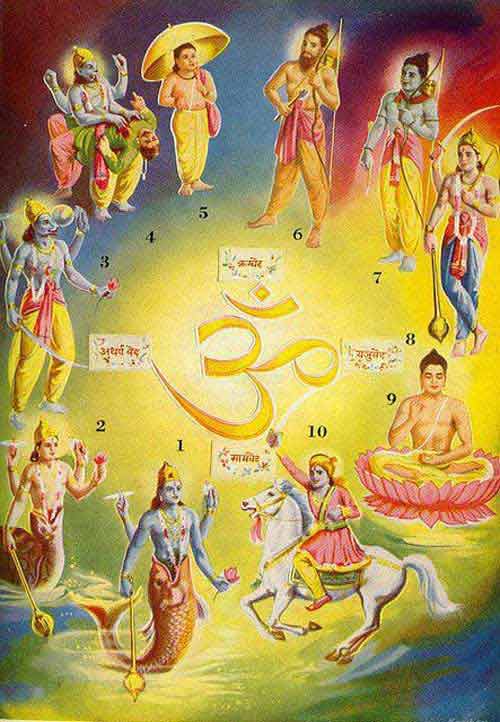
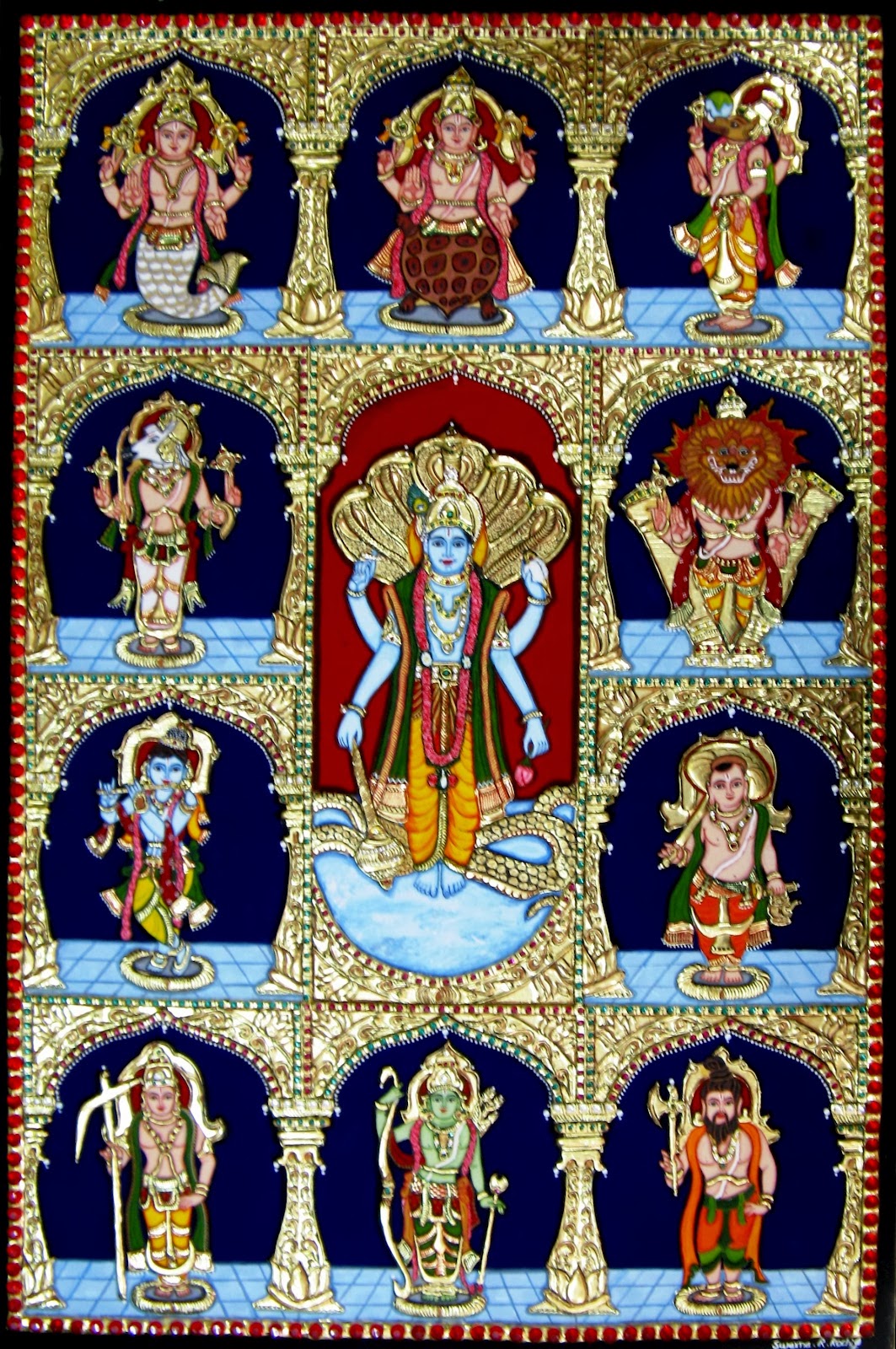
A: The ten incarnations of Lord Vishnu are: Matsya, Kurma, Varaha, Narasimha, Vamana, Parashurama, Rama, Krishna, Buddha, and Kalki.
Subtopics
Matsya
- The first incarnation of Vishnu
- Depicted as a fish
- Rescued humanity from a great flood
Kurma
- The second incarnation of Vishnu
- Depicted as a tortoise
- Supported Mount Mandara during the churning of the ocean of milk
Varaha
- The third incarnation of Vishnu
- Depicted as a boar
- Slew the demon Hiranyaksha and rescued the Earth
Narasimha
- The fourth incarnation of Vishnu
- Depicted as a half-man, half-lion
- Killed the demon Hiranyakashipu
Vamana
- The fifth incarnation of Vishnu
- Depicted as a dwarf
- Outwitted the demon Bali and restored the heavens to the gods
Parashurama
- The sixth incarnation of Vishnu
- Depicted as a warrior
- Destroyed the Kshatriya caste
Rama
- The seventh incarnation of Vishnu
- Depicted as a prince
- Slew the demon Ravana
Krishna
- The eighth incarnation of Vishnu
- Depicted as a cowherd
- Played a key role in the Mahabharata
Buddha
- The ninth incarnation of Vishnu
- Depicted as a sage
- Preached the principles of non-violence and compassion
Kalki
- The tenth incarnation of Vishnu
- Depicted as a rider on a white horse
- Will appear at the end of time to destroy evil
Conclusion
Lord Vishnu’s ten incarnations are a testament to his boundless power and his unwavering commitment to protecting the world from evil. Each incarnation has a unique story and a profound lesson to teach. By understanding the secrets behind these incarnations, we can gain a deeper appreciation for the role of Vishnu in the Hindu faith and his significance to the world.
Keyword Tags
- Lord Vishnu
- Incarnations
- Hinduism
- Dashavatar
- Vishnu Purana