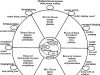
====== Digestion ======
Digestion is the process of breaking down food into smaller components that can be absorbed into the bloodstream. It begins in the mouth, where food is chewed and mixed with saliva. This mixture, called a bolus, then travels down the esophagus to the stomach.
The stomach is a muscular organ that churns the bolus and mixes it with gastric juices. These juices contain hydrochloric acid and enzymes that begin to break down the proteins and fats in the food. The stomach also produces a hormone called gastrin, which stimulates the production of gastric juices.
The partially digested food, now called chyme, then moves into the small intestine. The small intestine is a long, coiled tube that is lined with villi. Villi are tiny finger-like projections that help to absorb nutrients from the food. The small intestine also produces enzymes that continue to break down the food, and it absorbs water and electrolytes.
The large intestine is the final part of the digestive system. It absorbs water and electrolytes from the chyme, and it forms feces. Feces are then stored in the rectum until they are expelled through the anus.
Digestion is a complex process that is essential for the body to obtain the nutrients it needs. Without digestion, the body would not be able to function properly.
What are some common problems with digestion?
There are a number of common problems that can occur with digestion, including:
- Heartburn is a burning sensation in the chest that is caused by stomach acid backing up into the esophagus.
- Indigestion is a feeling of discomfort or pain in the upper abdomen that is caused by eating too much or eating too quickly.
- Constipation is a condition in which bowel movements are infrequent and difficult to pass.
- Diarrhea is a condition in which bowel movements are frequent and loose.
- Irritable bowel syndrome (IBS) is a common functional disorder of the digestive system that causes abdominal pain, cramping, and diarrhea or constipation.
How can I improve my digestion?
There are a number of things you can do to improve your digestion, including:
- Eat a healthy diet. A healthy diet includes plenty of fruits, vegetables, and whole grains. These foods are high in fiber, which is essential for good digestion.
- Drink plenty of water. Water helps to keep the digestive system moving smoothly.
- Exercise regularly. Exercise helps to strengthen the digestive muscles and improve circulation.
- Get enough sleep. Sleep is essential for overall health, including digestive health.
- Manage stress. Stress can take a toll on the digestive system. Find ways to manage stress, such as exercise, yoga, or meditation.
If you are experiencing any problems with digestion, it is important to see a doctor. A doctor can diagnose the problem and recommend treatment.