The Harmony of the Universe: Exploring the Significance of Hindu Symbols
Introduction
Harmony is a fundamental aspect of life, bringing together diverse elements to create a cohesive and balanced whole. In the realm of spirituality, Hindu symbols play a pivotal role in expressing and embodying harmony, guiding individuals towards a deeper understanding of the universe. From the sacred syllable Om to the auspicious Swastika and the serene Lotus, these symbols hold profound meanings that resonate with the human experience.
The Significance of Hindu Symbols
Hindu symbols are not mere decorative elements; they are imbued with deep philosophical and spiritual truths. Each symbol represents a different aspect of the divine and its relationship with the world.
Om: The Primordial Sound of Creation
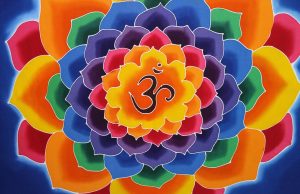
Om (ॐ) is the most sacred symbol in Hinduism, representing the ultimate reality and the source of all existence. It is believed to embody the sound of the universe at its creation and is often chanted in meditation to connect with the divine.
Swastika: A Symbol of Prosperity and Well-being
The Swastika (卐) is an ancient symbol that predates Hinduism. In Hinduism, it represents auspiciousness, good luck, and prosperity. It is often found at the entrances of homes and temples and is used to invoke blessings.
Lotus: A Symbol of Purity and Enlightenment
The Lotus (पद्म) is a sacred flower in Hinduism, symbolizing purity, beauty, and enlightenment. It is often associated with the goddess Lakshmi, the goddess of wealth and prosperity. The Lotus represents the ability to rise above the challenges of life and achieve spiritual growth.
Harmony in Balinese Culture
The concept of harmony extends beyond religious symbolism in Hinduism. It is also deeply ingrained in Balinese culture, which emphasizes the importance of balance and interconnectedness.
Tri Hita Karana: The Threefold Path to Harmony
Tri Hita Karana is a fundamental concept in Balinese life that guides individuals towards a harmonious existence. It comprises three interconnected principles:
- Parahyangan: Harmony with the divine and the holy
- Pawongan: Harmony with humanity and the community
- Palemahan: Harmony with the environment
By striving for harmony in these three aspects of life, Balinese people seek to create a balanced and fulfilling existence.
Harmony in Everyday Life
The principles of harmony can be applied to all aspects of life, helping us to live more fulfilling and balanced lives.
- In relationships: Harmony in relationships is essential for creating a strong and lasting bond. It requires understanding, empathy, and a willingness to compromise.
- In the workplace: Harmony in the workplace promotes a positive and productive environment. It encourages teamwork, collaboration, and respect for others.
- With nature: Harmony with nature is crucial for our well-being and the health of our planet. It involves conserving resources, respecting wildlife, and living in a sustainable manner.
Conclusion
Harmony is a transformative force that brings together diverse elements to create a cohesive and balanced whole. From the sacred symbols of Hinduism to the principles of Balinese culture, harmony guides us towards a deeper understanding of the universe and a more fulfilling life. By embracing the principles of harmony, we can create a world where all beings can coexist in peace and prosperity.
Secondary Keywords
harmony, Hindu symbols, Om, Swastika, Lotus, Tri Hita Karana, Balinese culture, balance, interconnectedness, relationships, workplace, nature