Indian Art: Unveiling the Splendor of India’s Cultural Heritage
Introduction
India, a land steeped in ancient traditions and vibrant cultural heritage, boasts an artistic legacy that has captivated the world for centuries. Indian art, influenced by a myriad of religious, mythological, and societal factors, encompasses a diverse array of mediums, forms, and styles. In this article, we delve into the captivating world of Indian art, exploring its rich history, diverse expressions, and enduring legacy.
A Tapestry of Artistic Expressions
Indian art manifests itself in a kaleidoscope of forms, including:
- Sculpture: Intricate stone carvings, bronze figurines, and majestic temple sculptures depict deities, mythological figures, and historical events.
- Painting: Vibrant murals, miniature paintings, and modern canvases showcase both traditional and contemporary artistic styles.
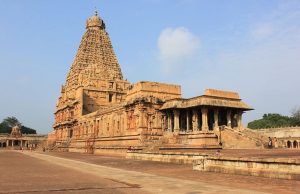
- Architecture: Monumental temples, opulent palaces, and intricate fortresses reflect the fusion of religious, architectural, and artistic sensibilities.
- Textiles: Exquisite silk and cotton fabrics adorned with intricate embroidery, hand-painted designs, and woven patterns.
- Jewelry: Gold, silver, and gemstone ornaments, meticulously crafted with intricate designs and intricate workmanship.
The Influence of Hinduism
Hinduism, one of India’s oldest religions, has profoundly influenced Indian art. The Vedas, ancient Hindu scriptures, provide a rich source of mythological stories and characters that form the basis of many artistic depictions. Deities such as Shiva, Vishnu, and Devi, along with mythological creatures like Garuda and Hanuman, are frequently represented in sculptures, paintings, and temple architecture.
Regional Variations and Cultural Impact
Indian art exhibits significant regional variations, reflecting the country’s diverse cultural landscape. Each region has its own distinct artistic traditions, styles, and motifs. For example:
- North India: Known for its monumental temple architecture, intricate stone carvings, and miniature paintings.
- South India: Famous for its bronze sculptures, vibrant temple paintings, and classical dance forms.
- Eastern India: Renowned for its terracotta sculptures, folk art, and traditional crafts.
- Western India: Celebrated for its rock-cut architecture, mural paintings, and distinctive textiles.
Indian art has played a significant role in shaping the cultural identity of the country. It has served as a means of religious expression, storytelling, and social commentary. Temples and other sacred spaces adorned with intricate artwork continue to be centers of pilgrimage and devotion for millions of Indians.
Preserving and Celebrating the Legacy
The preservation and promotion of Indian art is of paramount importance in safeguarding the nation’s cultural heritage. Government initiatives, museums, and cultural organizations work tirelessly to conserve and restore ancient artworks, promote traditional art forms, and provide platforms for contemporary Indian artists to showcase their creations.
Conclusion
Indian art is a testament to the rich cultural tapestry of India. Its diverse expressions, spanning millennia, have left an enduring legacy that continues to inspire and fascinate. By exploring the beauty and significance of Indian art, we gain a deeper understanding of the country’s history, traditions, and the vibrant spirit of its people.
Secondary Keywords:
Indian Art, Hindu Art, Indian Architecture, Indian Sculpture, Indian Paintings, Indian Textiles, Indian Jewelry