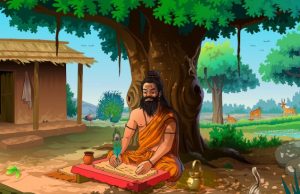
Unveiling the Vedic Tradition: An Exploration of Ancient Wisdom
Introduction
The Vedic tradition, a rich tapestry woven with ancient wisdom and profound spiritual insights, has left an indelible mark on the cultural fabric of humanity. Originating in the Indian subcontinent, this sacred tradition has guided countless seekers on their journey towards self-realization and enlightenment. In this article, we delve into the depths of the Vedic tradition, exploring its fundamental principles and practices, and uncovering the profound insights it offers for our modern lives.
The Origins and Essence of the Vedic Tradition
The Vedic tradition finds its roots in the ancient Vedas, a collection of sacred texts that are believed to have been revealed to enlightened sages known as rishis. These texts, composed in an ancient form of Sanskrit, contain hymns, rituals, philosophical treatises, and profound insights into the nature of reality. The Vedas are considered the foundation of Hinduism and have shaped the spiritual landscape of India for millennia.
Key Principles of the Vedic Tradition
At its core, the Vedic tradition is a path of spiritual evolution and self-discovery. It emphasizes the following fundamental principles:
- Brahman: The ultimate reality, the source of all existence, and the divine essence that dwells within all beings.
- Atman: The individual soul, a spark of the divine that resides within each person.
- Dharma: The path of righteousness, ethical conduct, and harmonious living.
- Karma: The law of cause and effect, which governs the consequences of our actions.
- Moksha: Liberation from the cycle of birth and death, the ultimate goal of spiritual practice.
Practices and Rituals of the Vedic Tradition
The Vedic tradition encompasses a wide range of practices and rituals designed to facilitate spiritual growth and connect individuals with the divine. These practices include:
– Yajna: Fire rituals that symbolize the offering of oblations to the gods and a means of purifying the mind and body.
– Meditation: Techniques for calming the mind, connecting with the inner self, and cultivating higher states of consciousness.
- Yoga: A system of physical, mental, and spiritual practices aimed at achieving harmony and balance.
- Chanting: The recitation of sacred mantras and hymns, which have transformative effects on the mind and promote a sense of connection with the divine.
The Hindu Concept of Brahmacharya: A Path of Celibacy and Self-Control
One of the significant aspects of the Vedic tradition is the emphasis on Brahmacharya, a practice of celibacy and self-control. Brahmacharya is not merely about abstaining from physical intimacy but encompasses a broader concept of self-restraint, discipline, and the cultivation of higher virtues.
In the Vedic tradition, Brahmacharya is considered an essential stage in the journey towards spiritual enlightenment. It is believed that by practicing celibacy and controlling desires, individuals can conserve vital energy, channel it toward spiritual pursuits, and develop a greater capacity for inner reflection and self-awareness.
Benefits and Practices of Brahmacharya
Embracing Brahmacharya offers numerous benefits, including:
- Increased self-awareness: Celibacy allows individuals to turn inward, observe their thoughts and emotions, and develop a deeper understanding of themselves.
- Enhanced concentration: By controlling desires and distractions, Brahmacharya helps improve focus and concentration, fostering a greater capacity for learning and spiritual practice.
- Greater physical and mental vitality: Conserving vital energy through celibacy can enhance physical well-being, improve sleep quality, and promote a stronger immune system.
- Spiritual growth: Brahmacharya creates a conducive environment for spiritual growth and meditation, facilitating deeper connections with the divine.
Practicing Brahmacharya involves a gradual process of self-discipline and inner transformation. It begins with controlling physical desires and abstaining from sexual activity, but it extends beyond that to encompass all aspects of life. By practicing moderation in food, speech, and behavior, individuals can develop a greater sense of balance, harmony, and self-awareness.
Conclusion
The Vedic tradition, with its profound wisdom and timeless teachings, continues to offer guidance and inspiration for seekers of truth and spiritual growth. The concept of Brahmacharya, as an integral part of this tradition, provides a pathway for self-discipline, inner reflection, and spiritual evolution. By embracing the principles and practices of the Vedic tradition, we can cultivate a greater understanding of ourselves, the world around us, and our place within the vast tapestry of existence.
Secondary Keywords
Vedic Culture, Hinduism, Brahmacharya, Spiritual Enlightenment, Self-Control