The Art of Henna: A Cultural Tradition in Hindu Weddings and Festivals
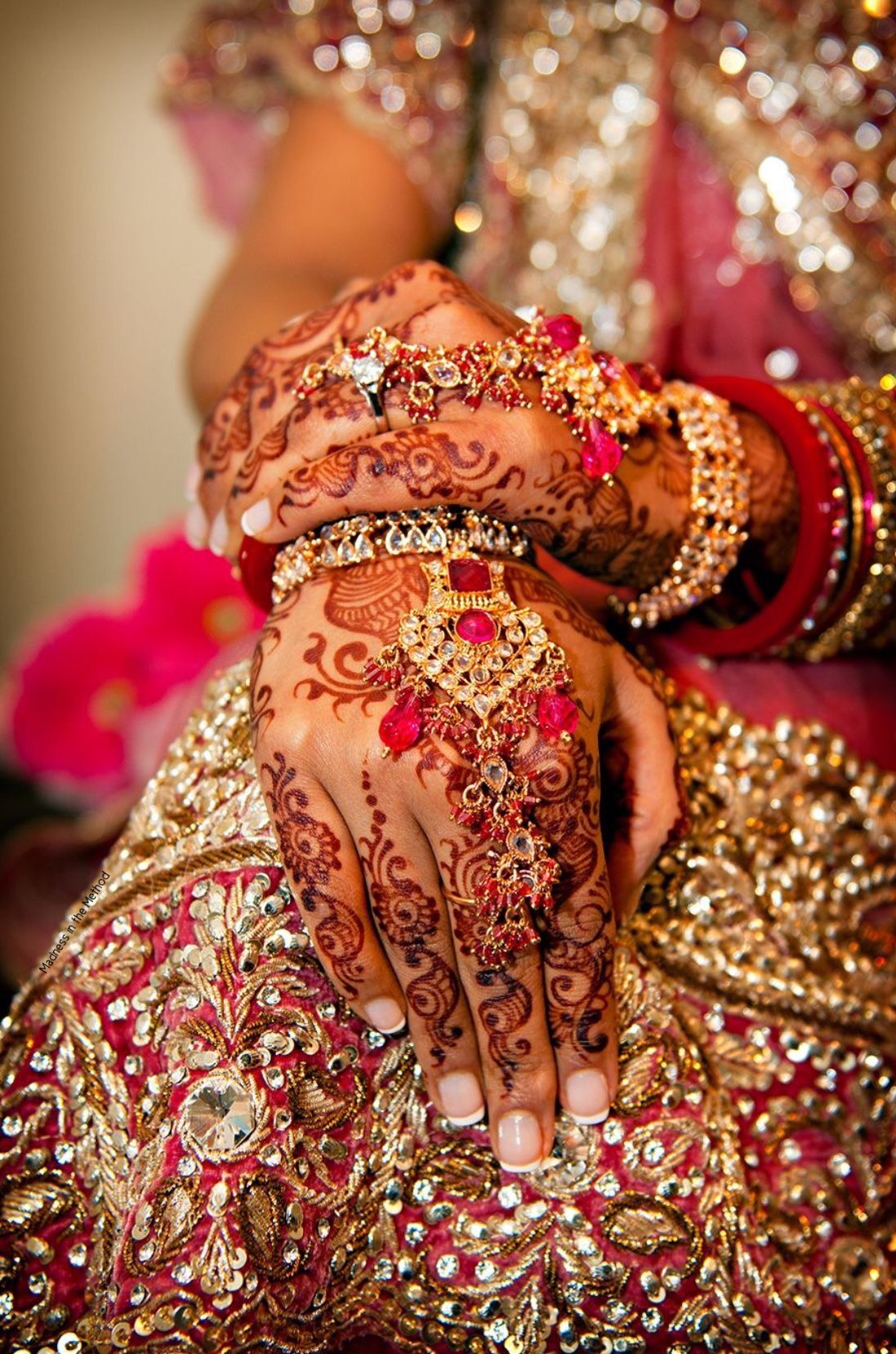
Henna, also known as Mehendi, has been an integral part of Indian culture for centuries, carrying deep cultural and artistic significance. It is an intricate and beautiful art form that adorns the hands and feet of women, particularly during festive occasions and weddings.
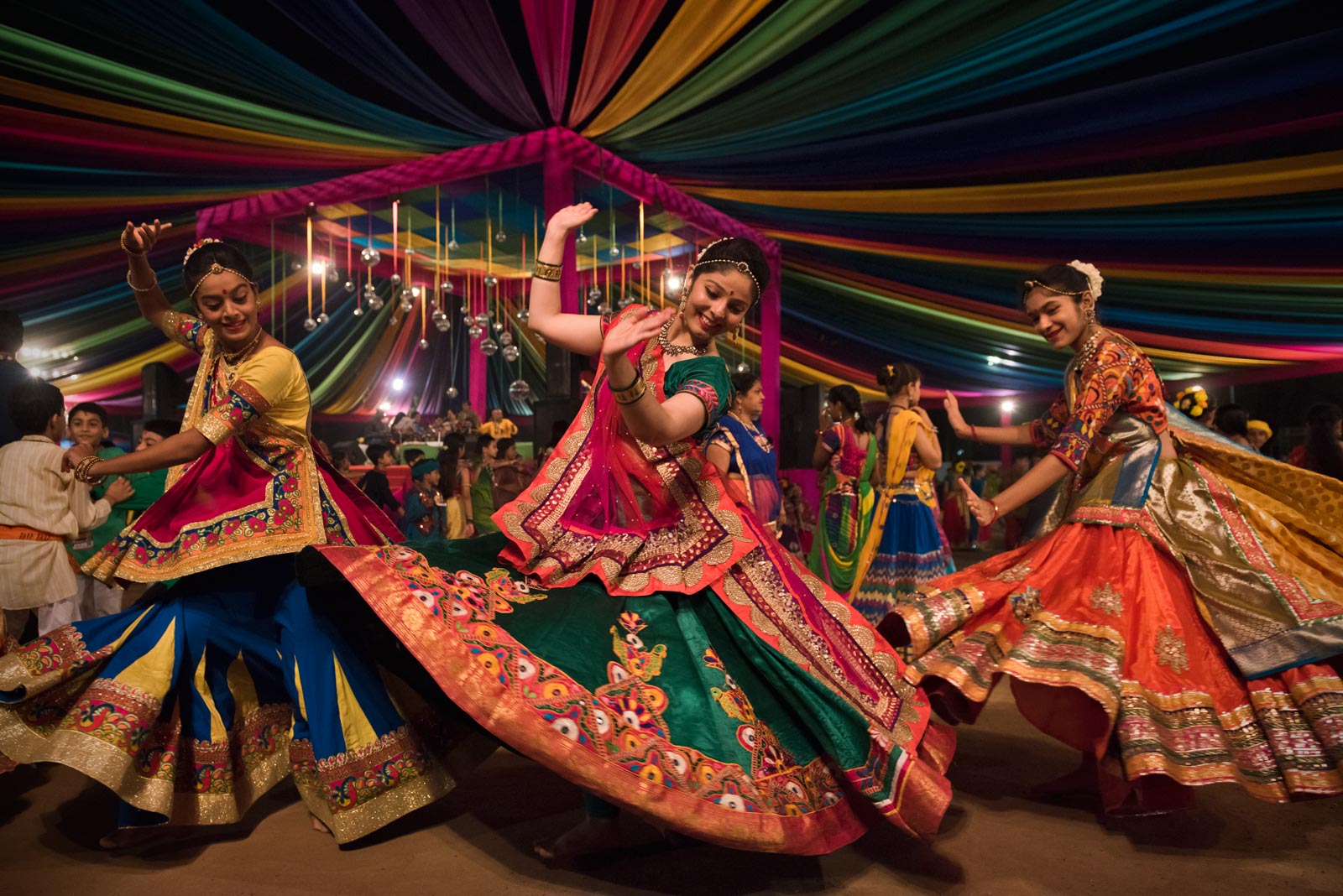
Cultural Significance
In Hindu traditions, henna holds immense cultural importance. It symbolizes fertility, beauty, and good luck, especially for brides-to-be. It is believed that the darker the henna stain, the stronger the bond between the bride and groom. Henna designs are also considered a form of body art, expressing creativity and personal style.
Traditional Practices
The application of henna is a social and communal event, often organized before weddings. Traditional ceremonies called “Mehndi Nights” or “Mehndi Functions” are held, where close friends and family gather to celebrate and apply henna to the bride-to-be. The designs are typically elaborate and intricate, covering the hands, feet, arms, and even legs.
Symbolism and Design
Henna designs are rich in symbolism, with each motif representing different aspects of life. For example:
- Paisleys: Fertility and prosperity
- Flowers: Beauty and femininity
- Leaves: New beginnings
- Geometric patterns: Protection and strength
- Animal motifs: Power and courage
The placement of the designs also carries significance. Henna on the hands is thought to symbolize the bride’s marital status, while henna on the feet represents her journey into her new life.
Artistic Techniques
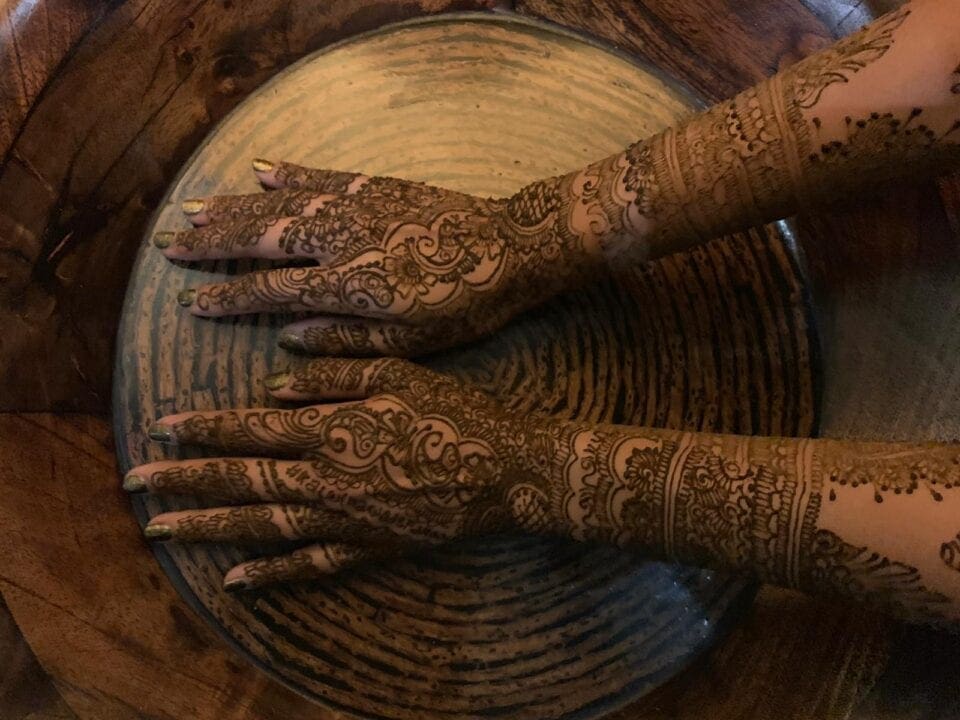
Henna art involves the use of a natural dye paste made from the leaves of the henna plant. The paste is typically applied using a cone or a wooden stick. The designs are created by carefully placing the paste and allowing it to dry. The stain becomes darker and more intricate over time.
The complexity of henna designs can vary greatly, from simple floral patterns to elaborate geometric masterpieces. Some of the most popular styles include:
- Indian: Traditional designs with flowing lines and paisleys
- Arabic: Geometric and angular patterns
- Pakistani: Delicate and intricate designs with floral motifs
- Moroccan: Bold and colorful patterns
Modern Adaptations
While henna remains rooted in tradition, modern adaptations have evolved over time. Today, henna is used not only for weddings but also for other occasions such as festivals, parties, and personal expressions. Designs have also become more varied, incorporating elements from different cultures and contemporary art styles.
Conclusion
The art of henna is a cherished cultural tradition in Hindu weddings and festivals. Its intricate designs are not only beautiful but also carry deep symbolic meanings. The application of henna is a social event that celebrates community, fertility, and beauty. Whether used for traditional ceremonies or as a modern form of body art, henna continues to captivate and inspire artists and fashion enthusiasts alike.## The Art Of Henna: A Cultural Tradition In Hindu Weddings And Festivals
Executive Summary
Henna, a natural dye derived from the henna plant, holds immense cultural and traditional significance in Hindu weddings and festivals. Its intricate designs adorn the hands and feet of brides, symbolizing joy, celebration, and blessings. This article delves into the fascinating art of henna, exploring its history, symbolism, and the various designs and techniques used to create these stunning temporary tattoos.
Introduction
Henna, known as “Mehndi” in Hindi, has been an integral part of Indian culture for centuries. It is believed to have originated in ancient Egypt and has since spread to various parts of the world, particularly in South Asia and the Middle East. In Hindu weddings and festivals, henna is more than just a cosmetic adornment; it is a symbol of beauty, auspiciousness, and good luck.
FAQs
-
What is the significance of henna in Hindu weddings?
- Henna is applied to the bride’s hands and feet as a symbol of joy, celebration, and fertility.
- The intricate designs are believed to bring good luck and ward off evil spirits.
- Henna is also a way for the bride to connect with her cultural heritage.
-
What are the different types of henna designs?
- There are numerous henna designs, ranging from traditional to modern styles.
- Some common designs include floral motifs, paisleys, geometric patterns, and depictions of animals or deities.
- The choice of design depends on the bride’s personal preferences and regional traditions.
-
How long does henna last?
- Henna stains the skin temporarily, typically lasting for 2-3 weeks.
- The intensity of the color varies depending on the quality of henna, the application technique, and the individual’s skin type.
- To prolong the life of the henna design, it is important to keep it moisturized and avoid harsh chemicals.
Subtopics
Historical Significance
- Henna has been used as a cosmetic and medicinal herb for centuries.
- Ancient Egyptians, Greeks, and Romans used henna to dye their hair, nails, and skin.
- In India, henna became an integral part of Hindu weddings and festivals, symbolizing auspiciousness and joy.
Symbolism and Beliefs
- Henna is believed to bring good luck and ward off evil spirits.
- The intricate designs often depict symbols of fertility, love, and prosperity.
- Henna is also considered a cooling agent, providing relief from heat and stress.
The Application Process
- Henna paste is made from the dried leaves of the henna plant, which are ground into a fine powder.
- The powder is mixed with water, lemon juice, and other natural ingredients to create a thick paste.
- The henna paste is applied to the skin using a cone or a brush, creating intricate designs.
Variations in Design
- Traditional Designs: These designs are passed down through generations and often include floral motifs, paisleys, and geometric patterns.
- Modern Designs: Contemporary henna artists incorporate modern elements, such as abstract designs, calligraphy, and even portraits.
- Bridal Designs: These designs are elaborate and intricate, covering the bride’s hands and feet with beautiful henna art.
Cultural Significance
- Henna is deeply ingrained in Hindu culture and is used in various ceremonies and rituals.
- For brides, henna is a symbol of beauty, auspiciousness, and fertility.
- During festivals like Diwali and Karwa Chauth, henna is applied to women’s hands and feet to bring good luck and happiness.
Conclusion
Henna is an exquisite art form that holds immense cultural and traditional significance in Hindu weddings and festivals. Its intricate designs, rooted in ancient beliefs and customs, symbolize joy, celebration, and good luck. The application of henna is a cherished ritual that enhances the beauty and well-being of individuals, connecting them to their cultural heritage. As this vibrant art continues to evolve, henna will forever remain a beloved adornment in the hearts and minds of those who cherish its rich cultural legacy.
Keyword Tags
- Henna
- Hindu Weddings
- Festivals
- Mehndi
- Traditional Designs