The Hindu Concept of Sannyasa: Renouncing the World for Spiritual Pursuits
In the Hindu tradition, sannyasa is the fourth and final stage of life, in which an individual renounces worldly pursuits and possessions to pursue a life of spiritual liberation.
Meaning of Sannyasa
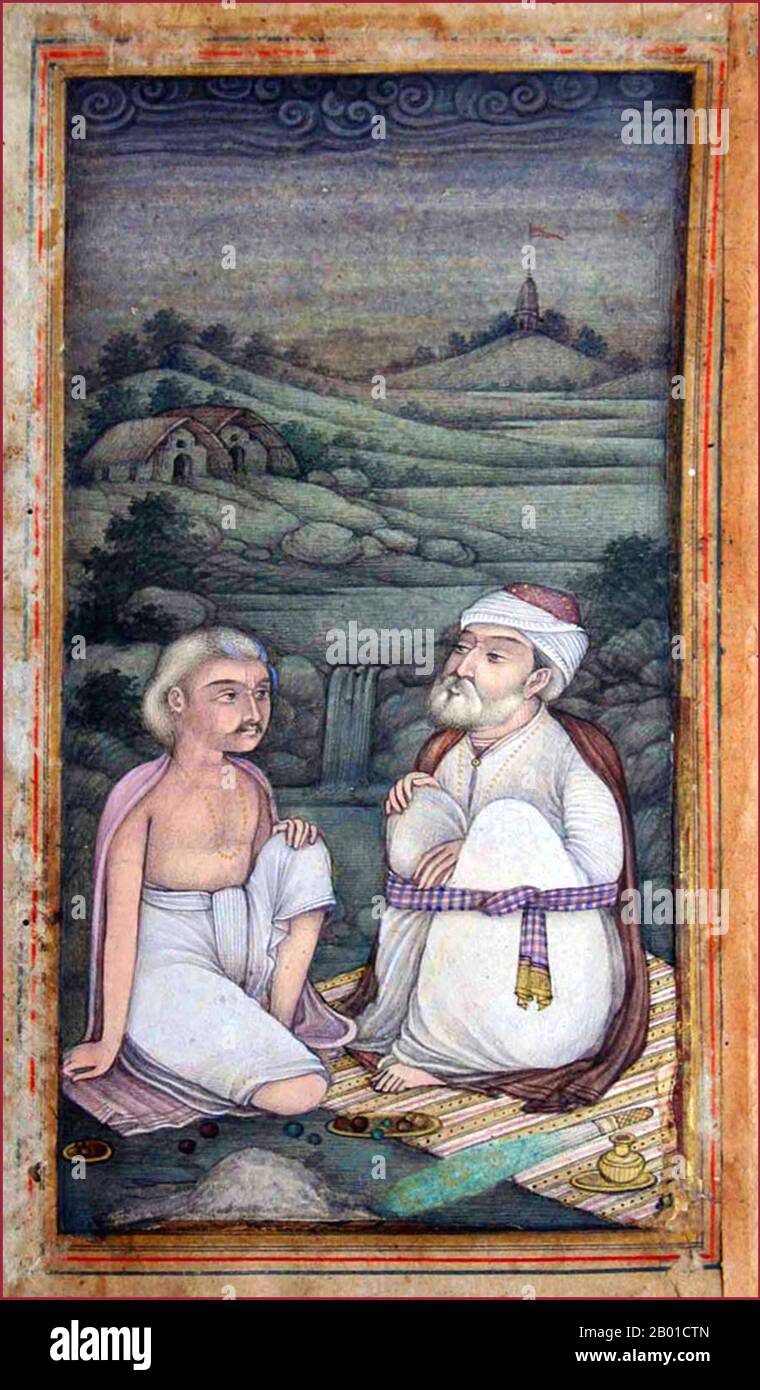
The word “sannyasa” derives from the Sanskrit root “ni/nis,” meaning “to relinquish, cast off, or abandon.” It implies the act of withdrawing from worldly life and attachments.
Stages of Life (Ashramas)
Hindu society is divided into four stages of life, known as ashramas:
- Brahmacharya: The student stage, where one pursues education and spiritual knowledge.
- Grihastha: The householder stage, where one performs responsibilities to family and society.
- Vanaprastha: The retirement stage, where one gradually withdraws from worldly affairs.
- Sannyasa: The renunciation stage, where one completely abandons worldly life.
Who Can Enter Sannyasa?
Traditionally, only individuals who have completed the first three stages of life may enter sannyasa. This typically occurs in old age, after one has fulfilled one’s social and familial obligations. However, in some cases, people may enter sannyasa at a younger age with the permission of their family and a qualified guru (spiritual teacher).
Ritual of Renunciation
The ritual of sannyasa initiation is called “samnyasa diksha.” It involves:
- Taking vows of celibacy, poverty, and non-attachment.
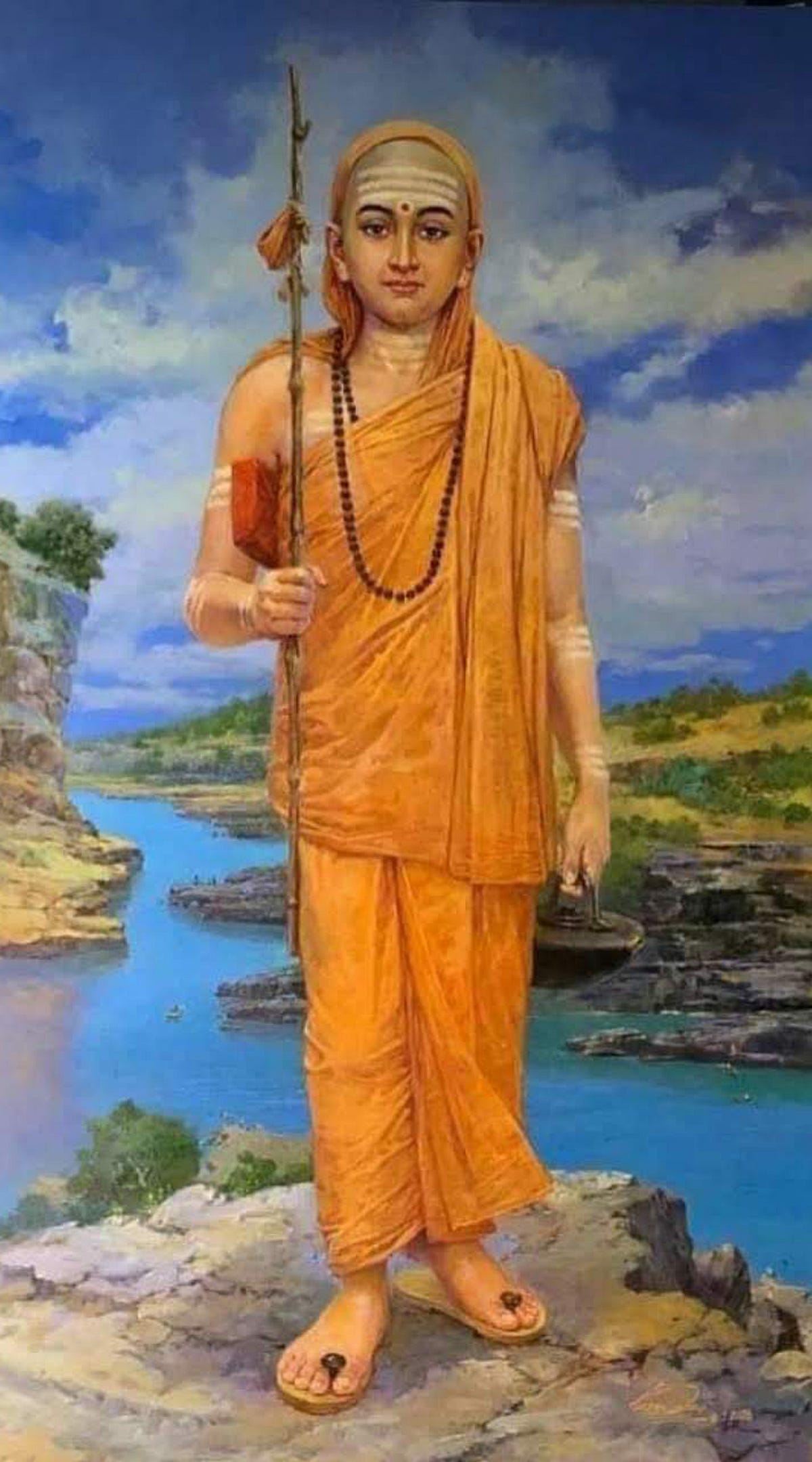
- Shaving one’s head and wearing ochre-colored robes.
- Receiving a new name and a mantra from one’s guru.
- Giving up all worldly possessions.
Life as a Sannyasin
A sannyasin (one who has entered sannyasa) lives a life of simplicity and renunciation. They:
- Travel from place to place, begging for their sustenance.
- Practice meditation, yoga, and other spiritual disciplines.
- Study sacred texts and teach others about spiritual knowledge.
- Renounce all desire for material wealth, power, and social status.
Goals of Sannyasa
The ultimate goal of sannyasa is to achieve moksha, or liberation from the cycle of birth, death, and rebirth. By renouncing worldly attachments, sannyasins seek to purify their minds, develop spiritual insights, and ultimately merge with the divine.
Conclusion
Sannyasa is a profound spiritual path in the Hindu tradition that involves the complete renunciation of worldly life for the pursuit of spiritual awakening. It is a challenging but potentially transformative journey that leads to the ultimate goal of liberation and self-realization.## The Hindu Concept Of Sannyasa: Renouncing The World For Spiritual Pursuits
Executive Summary
Sannyasa is a Hindu concept that refers to the renunciation of worldly possessions and desires in order to pursue spiritual liberation. It is considered the highest stage in the four stages of life outlined in Hindu scriptures. This article explores the Sannyasa concept, its significance, and the path of self-realization it offers. Understanding Sannyasa provides valuable insights into the Hindu worldview and the search for spiritual enlightenment.
Introduction
In the vibrant tapestry of Hindu philosophy, Sannyasa holds a profound significance. It represents the ultimate stage in the human journey, where individuals embark on a path of self-realization and liberation from the cycle of birth and rebirth. By renouncing worldly attachments and embracing a life of simplicity and contemplation, Sannyasis (those who practice Sannyasa) seek to attain the highest spiritual truth and unity with the divine.
FAQ
-
What is the primary purpose of Sannyasa?
- To achieve spiritual liberation (moksha) by transcending worldly desires and ego.
-
Who can embrace Sannyasa?
- According to Hindu scriptures, only those who have fulfilled their duties in the other three stages of life (brahmacharya, grihastha, and vanaprastha) are eligible.
-
What are the key characteristics of a Sannyasi?
- Renunciation of worldly possessions, celibacy, simplicity, compassion, and a deep commitment to spiritual practices.
Key Subtopics
1. Renunciation of Worldly Attachments
- Letting go of material possessions: Sannyasis believe that material wealth and possessions bind individuals to the cycle of desire and suffering.
- Abandoning social status and recognition: They renounce their societal roles and seek to live a life free from ego and attachment.
- Breaking familial ties: While they maintain a sense of love and compassion, Sannyasis distance themselves from familial responsibilities to focus on their spiritual journey.
2. Embracing Simplicity
- Living a life of austerity: Sannyasis adopt a simple and humble lifestyle characterized by minimal needs and self-reliance.
- Focus on essential activities: They engage in activities that support their spiritual growth, such as meditation, study, and selfless service.
- Minimal possessions and consumption: They own only the bare necessities and live with a deep understanding of the impermanence of material things.
3. Commitment to Spiritual Practices
- Daily rituals and disciplines: Sannyasis follow a strict routine of spiritual practices, including meditation, yoga, and chanting.
- Self-inquiry and introspection: They engage in deep self-reflection and self-realization to purify their minds and hearts.
- Study of sacred texts and teachings: They immerse themselves in the study of Hindu scriptures and the wisdom of enlightened beings.
4. Seeking Knowledge and Wisdom
- Pursuit of truth through inquiry: Sannyasis relentlessly seek knowledge and understanding of the ultimate reality and the nature of the universe.
- Openness to diverse perspectives: They explore different philosophical and spiritual traditions to deepen their understanding and broaden their worldview.
- Humility and receptiveness: They approach learning with an open mind and recognize the limitations of their own knowledge.
5. Service and Compassion
- Selfless service to others: Sannyasis engage in acts of kindness and compassion, often offering their services to the needy and marginalized.
- Teaching and guiding: They share their wisdom and experiences to help others on their spiritual journeys.
- Promoting social harmony: They advocate for peace, understanding, and harmony within society.
Conclusion
The Sannyasa concept in Hinduism offers a profound path of self-realization and spiritual liberation. By renouncing worldly attachments, embracing simplicity, and committing to spiritual practices, Sannyasis embark on a journey of self-discovery and union with the divine. Their teachings and example inspire individuals to reflect on the nature of existence and the pursuit of true happiness. Understanding the Sannyasa concept provides valuable insights into the richness and depth of Hindu philosophy and its timeless message of spiritual enlightenment.
Keyword Tags
- Sannyasa
- Hinduism
- Spiritual Liberation
- Renunciation
- Self-Realization