Brahman
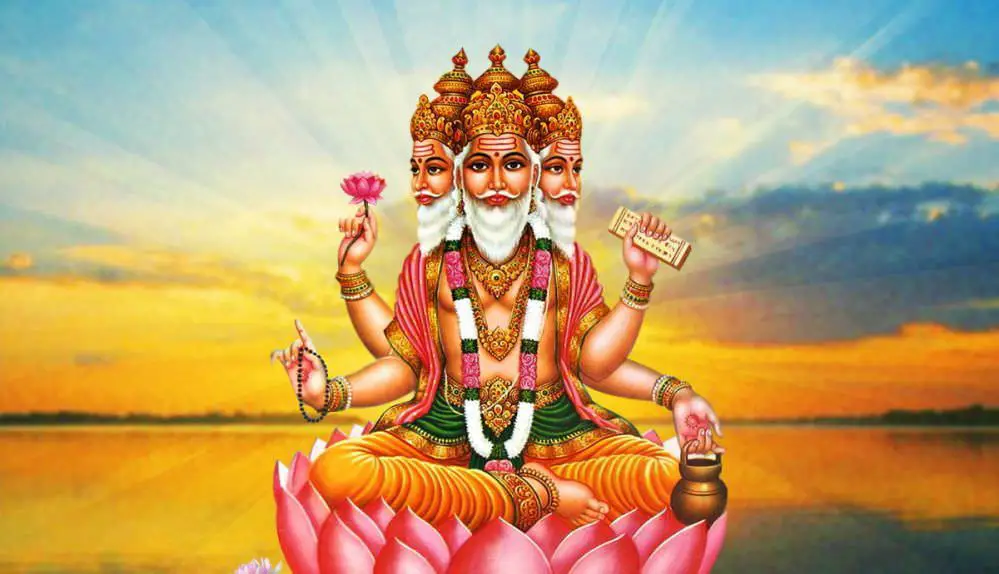
Brahman is the ultimate reality in Hinduism. It is the source of all existence and the goal of all spiritual seeking. Brahman is often described as being both immanent (present in all things) and transcendent (beyond all things). It is also said to be both personal and impersonal.
Shiva
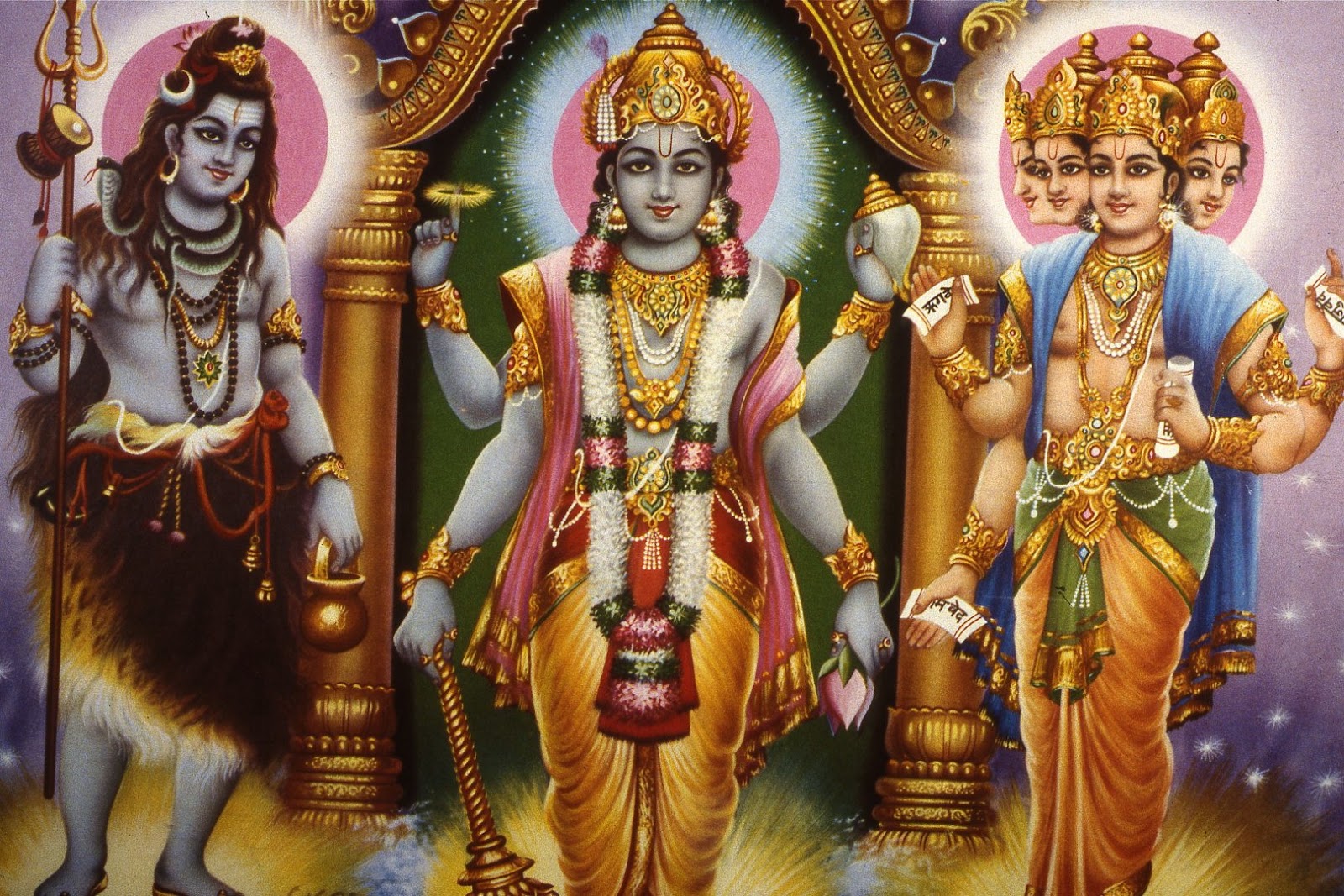
Shiva is one of the most popular gods in Hinduism. He is the lord of destruction and transformation. Shiva is often depicted with a third eye on his forehead, which represents his ability to see beyond the illusions of the world. He is also often shown with a cobra around his neck, which represents his power over death.
Vishnu
Vishnu is another popular god in Hinduism. He is the lord of preservation and order. Vishnu is often depicted with four arms, each of which holds a different object. These objects represent his power to create, protect, destroy, and restore.
Other Names of God in Hinduism
In addition to Brahman, Shiva, and Vishnu, there are many other names of God in Hinduism. These include:
- Devi: The goddess of creation and destruction.
- Ganesha: The god of wisdom and remover of obstacles.
- Hanuman: The monkey god who is known for his strength and devotion.
- Kali: The goddess of death and time.
- Lakshmi: The goddess of wealth and prosperity.
- Parvati: The wife of Shiva and the goddess of fertility and marriage.
- Rama: The avatar of Vishnu who is known for his righteousnes.
- Saraswati: The goddess of learning and music.
These are just a few of the many names of God in Hinduism. Each name represents a different aspect of the divine. By worshiping different names of God, Hindus can access the full range of the divine’s power and grace.## The Many Names Of God In Hinduism: Brahman, Shiva, Vishnu, And More
Executive Summary
Hinduism is a diverse religion with a rich pantheon of gods and goddesses. The concept of God in Hinduism is complex and multifaceted, and there are many different ways to understand and experience the divine. In this article, we will explore some of the most important names of God in Hinduism, including Brahman, Shiva, Vishnu, and more. We will also discuss the different roles and functions of these gods and goddesses, and how they can help us to connect with the divine.
Introduction:
Hinduism is a religion with a rich history and a diverse array of beliefs and practices. One of the most important aspects of Hinduism is the concept of God. Hindus believe in one supreme being, who is known by many different names. The most common names for God in Hinduism are Brahman, Shiva, Vishnu, and Devi.
FAQ
-
What is the difference between Brahman, Shiva, and Vishnu?
Brahman is the supreme being in Hinduism. He is the creator, preserver, and destroyer of the universe. Shiva is the god of destruction. He is also the god of dance and music. Vishnu is the god of preservation. He is also the god of love and compassion. -
Which god should I worship?
The choice of which god to worship is a personal one. There is no right or wrong answer. You should choose the god that you feel most connected to. -
How can I connect with God?
There are many different ways to connect with God. Some people find it helpful to pray, meditate, or read religious scriptures. Others find it helpful to serve others or to simply be present in the moment.
Top 5 Subtopics:
Brahman: The Supreme Being
Brahman is the supreme being in Hinduism. He is the creator, preserver, and destroyer of the universe. He is also the source of all existence. Brahman is often described as being beyond human comprehension. He is without form, qualities, or attributes.
- Nirguna: Brahman is without qualities or attributes.
- Saguna: Brahman can be described with qualities and attributes.
- Parabrahman: Brahman is the ultimate reality.
- Ishvara: Brahman is the personal god.
Shiva: The God of Destruction
Shiva is the god of destruction. He is also the god of dance and music. Shiva is often depicted as a fearsome god, with a blue throat and a third eye. He is also known as the Lord of the Dance.
- Destroyer: Shiva is the god of destruction.
- Dancer: Shiva is the god of dance.
- Musician: Shiva is the god of music.
- Lord of the Dance: Shiva is known as the Lord of the Dance.
Vishnu: The God of Preservation
Vishnu is the god of preservation. He is also the god of love and compassion. Vishnu is often depicted as a blue-skinned god, with four arms. He is also known as the Preserver.
- Preserver: Vishnu is the god of preservation.
- Protector: Vishnu is the protector of the universe.
- Sustainer: Vishnu is the sustainer of life.
- Narayana: Vishnu is known as Narayana.
Devi: The Goddess
Devi is the goddess in Hinduism. She is the mother goddess. Devi is often depicted as a beautiful woman, with many arms. She is also known as the Destroyer of Evil.
- Mother Goddess: Devi is the mother goddess.
- Destroyer of Evil: Devi is the destroyer of evil.
- Protectress: Devi is the protectress of the universe.
- Durga: Devi is known as Durga.
Ganesha: The God of Wisdom
Ganesha is the god of wisdom. He is also the god of beginnings. Ganesha is often depicted as a pot-bellied god, with an elephant’s head. He is also known as the Remover of Obstacles.
- God of Wisdom: Ganesha is the god of wisdom.
- God of Beginnings: Ganesha is the god of beginnings.
- Remover of Obstacles: Ganesha is the remover of obstacles.
- Vighneshvara: Ganesha is known as Vighneshvara.
Conclusion
The concept of God in Hinduism is complex and multifaceted. There are many different ways to understand and experience the divine. The names of God in Hinduism are just a few of the ways that we can connect with the divine. By understanding the different roles and functions of these gods and goddesses, we can deepen our understanding of the divine and our own place in the universe.
Keyword Tags:
- Hinduism
- God
- Brahman
- Shiva
- Vishnu
- Devi
- Ganesha