Modern Expressions: Integrating Hindu Symbols in Art, Fashion, and Design
Hindu symbols, steeped in ancient wisdom and rich cultural heritage, have found a contemporary resurgence in the realm of art, fashion, and design. Artists, designers, and fashion enthusiasts are embracing these symbols as a means of expressing their artistry, showcasing cultural diversity, and conveying profound meanings.
Art:
-
Rangoli: Traditionally created using colored powder or flowers, rangolis have become a ubiquitous form of Hindu art in modern settings. From grand temple entrances to contemporary canvases, rangolis depict intricate geometric patterns, nature motifs, and auspicious symbols, bringing a vibrant touch of Hindu culture to various spaces.
-
Mandala: The circular mandala, representing the universe in its entirety, has emerged as a popular subject for contemporary art. Artists explore its intricate patterns and meditative nature, creating mesmerizing artworks that evoke a sense of balance and harmony.
-
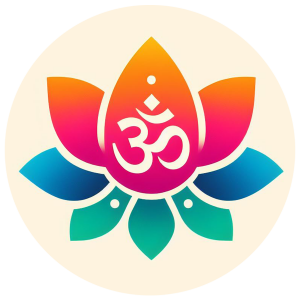
Om: The sacred syllable Om, symbolizing the supreme reality, has found its way onto sculptures, paintings, and installations. Artists use it as a focal point, inviting viewers to contemplate its profound significance and connect with their spiritual selves.
Fashion:
-
Bindis: The small, decorative dot worn on the forehead by Hindu women has become a fashion statement, adorning the faces of celebrities and fashion icons alike. While its traditional religious significance remains intact, the bindi has also evolved into a stylish accessory, available in various colors, designs, and materials.
-
Mehndi: The intricate art of mehndi, or henna painting, has gained immense popularity in the fashion world. Bridal mehndi designs, characterized by elaborate patterns and floral motifs, have inspired contemporary fashion designers to create garments and accessories that emulate their beauty and cultural significance.
-
Jain Symbols: The traditional symbols of Jainism, such as the swastika and wheel of dharma, are being incorporated into modern fashion designs. These symbols, representing peace, prosperity, and the cycle of life, add a touch of spirituality and cultural heritage to garments and accessories.
Design:
-
Architectural Details: Hindu symbols are finding their way into contemporary architecture, adorning temples, cultural centers, and modern buildings alike. These symbols, such as the lotus and the elephant, add a touch of cultural identity and aesthetic appeal to architectural designs.
-
Interior Decor: Hindu symbols, such as the mandala and the lotus, are being used as decorative elements in modern interiors. Wall hangings, furniture, and lighting fixtures feature these symbols, creating a serene and harmonious ambiance.
-
Product Design: From jewelry to ceramics to home accessories, Hindu symbols are being incorporated into the design of everyday objects. These symbols add a touch of individuality, cultural significance, and spiritual meaning to modern products.
The integration of Hindu symbols in art, fashion, and design reflects a growing appreciation for cultural diversity and the profound wisdom embedded in ancient traditions. These symbols evoke emotions, convey messages, and connect people to their heritage, creating a vibrant and meaningful expression of modern creativity.Modern Expressions: Incorporating Hindu Symbols in Art, Fashion, and Design
Executive Summary
Hindu symbols hold profound cultural and spiritual significance, but their influence extends beyond religious practices. In contemporary society, these symbols are finding innovative applications in art, fashion, and design, offering a fresh perspective on cultural heritage and artistic expression.
Introduction
Hinduism, one of the world’s oldest religions, has left an indelible mark on global culture. Its complex system of beliefs and practices includes a rich iconography of symbols that embody divine concepts, natural elements, and mythological narratives. Today, these symbols are being reinterpreted and repurposed in modern creative expressions, creating a dynamic dialogue between tradition and modernity.
FAQs
- What is the significance of Hindu symbols? Hindu symbols represent divine attributes, cosmological principles, and mythological stories. They serve as visual manifestations of spiritual concepts and provide a connection to the divine.
- Is it respectful to use Hindu symbols in a modern context? Yes, as long as it is done with respect and understanding of their cultural significance. Artists and designers should be mindful not to trivialize or disrespect the symbols’ spiritual origins.
- How are Hindu symbols used in contemporary art? In art, Hindu symbols can convey spiritual themes, explore cultural identity, or evoke emotional responses. They are often incorporated into paintings, sculptures, installations, and other artistic media.
Subtopics
Mandala
- Definition: Geometric patterns representing the universe or sacred space.
- Important Aspects:
- Symmetry and balance
- Intricate central design
- Use of geometric shapes and repetitions
Om Symbol
- Definition: A sacred syllable representing the unity of the divine.
- Important Aspects:
- Three curved lines representing the three states of existence
- Dot above the lines representing the transcendent state
- Half-moon below the lines representing illusion
Lotus Flower
- Definition: A flower symbolizing purity, beauty, and spiritual growth.
- Important Aspects:
- Blooms in water, representing the rise above adversity
- Eight petals representing the cardinal directions and spiritual evolution
- Central seed pod representing the potential for spiritual realization
Shiva Lingam
- Definition: A cylindrical stone representing the masculine energy of Lord Shiva.
- Important Aspects:
- Symbolic of fertility and creative power
- Often placed in temples and worshipped as a sacred object
- Represents the union of the masculine and feminine energies
Trishul Symbol
- Definition: A trident representing the three main aspects of divinity: creation, preservation, and destruction.
- Important Aspects:
- Held by Lord Shiva as his weapon
- Represents balance and power
- Used as a protective symbol and a spiritual reminder
Conclusion
The incorporation of Hindu symbols in art, fashion, and design is a testament to the enduring power and relevance of religious iconography. By embracing these symbols, contemporary artists and designers are not only creating visually stunning works but also forging a connection between the past and the present. As cultural diversity continues to shape modern society, the reinterpretation of Hindu symbols in new and innovative ways enriches our artistic vocabulary and fosters a deeper understanding of our shared heritage.
Keyword Tags
- Hindu symbols
- Modern art
- Fashion design
- Religious iconography
- Cultural heritage