The Hindu Concept of Yoga: Beyond Asanas and Postures
Introduction:

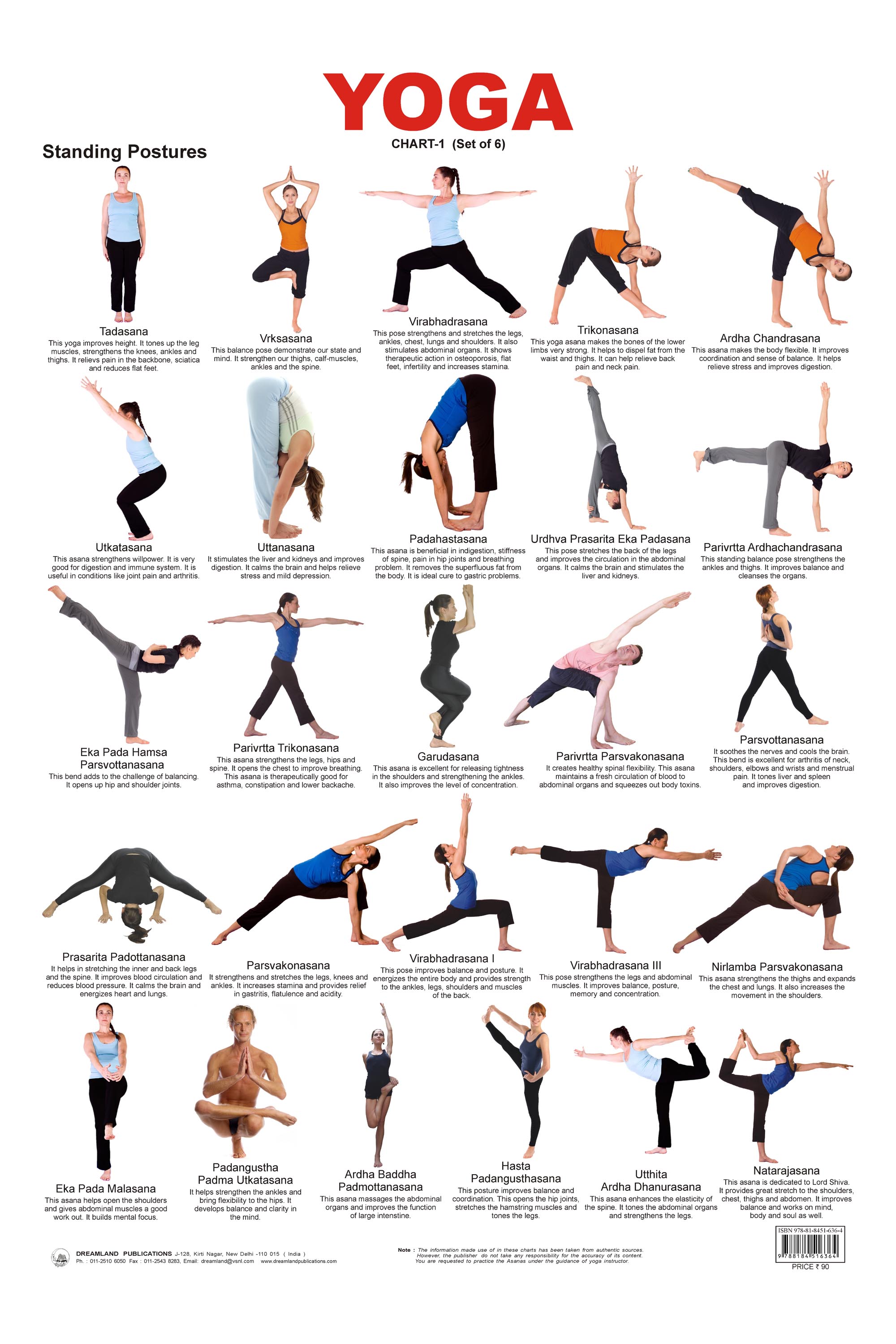
Yoga, a multifaceted discipline originating from ancient India, encompasses far more than the physical practice of asanas (postures) and pranayama (breath control). The Hindu concept of yoga delves into a profound philosophical and spiritual realm, guiding practitioners towards self-realization and liberation.
Etymology and History:
The Sanskrit word “yoga” derives from the root “yuj,” meaning “to join” or “to unite.” In Hinduism, yoga refers to the union of the individual soul (atman) with the supreme cosmic consciousness (brahman). The history of yoga can be traced back to the Vedic period (c. 1500-c. 500 BCE), where it was primarily a meditative practice.
Eight Limbs of Yoga (Ashtanga Yoga):
The classical Hindu concept of yoga is outlined in Patanjali’s “Yoga Sutras,” a foundational text from the 2nd century BCE. Patanjali proposes an eightfold path, known as Ashtanga Yoga, that encompasses:
- Yama (ethical principles)
- Niyama (personal observances)
- Asana (postures)
- Pranayama (breath control)
- Pratyahara (withdrawal of the senses)
- Dharana (concentration)
- Dhyana (meditation)
- Samadhi (liberation)
Beyond Asanas:
While asanas play an important role in physical and mental well-being, they are only one aspect of the multifaceted practice of yoga. The true essence of yoga lies in the integration of all eight limbs, which work together to promote holistic development.
Ethical and Behavioral Guidelines (Yamas and Niyamas):
Yamas (ethics towards others) include non-violence (ahimsa), truthfulness (satya), non-stealing (asteya), moderation (brahmacharya), and non-possessiveness (aparigraha). Niyamas (personal observances) include purity (saucha), contentment (santosha), self-discipline (tapas), self-study (svadhyaya), and surrender (ishvara-pranidhana). These guidelines provide a moral and ethical framework for daily living, cultivating virtues and fostering inner harmony.
Concentration and Meditation:
Yoga practices such as pranayama, pratyahara, dharana, and dhyana help to cultivate concentration, focus, and mindfulness. By withdrawing the senses from external distractions and directing attention inward, practitioners develop the ability to control their thoughts and emotions. This leads to a state of serenity, clarity, and inner peace.
Liberation (Samadhi):
The ultimate goal of yoga is samadhi, a state of complete absorption in the divine or cosmic consciousness. It is a transformative experience that transcends the limitations of the ego and brings about a profound sense of oneness with the universe. Samadhi is the culmination of the yoga journey, where the individual soul realizes its true nature and merges with the eternal truth.
Conclusion:
The Hindu concept of yoga extends beyond asanas and postures. It encompasses a comprehensive philosophy, ethical guidelines, and spiritual practices that aim to bring about self-realization, inner peace, and liberation. By embracing all aspects of yoga, practitioners can embark on a transformative journey towards a more meaningful and fulfilling existence.## The Hindu Concept Of Yoga: Beyond Asanas And Postures
Executive Summary
Yoga, an ancient Indian philosophy and practice, extends far beyond the physical asanas and postures commonly associated with it. Delving into the Hindu concept of yoga unveils a multifaceted system encompassing mental, emotional, and spiritual dimensions. This comprehensive guide explores the profound essence of yoga, disentangling its various components and examining their profound impact on personal growth and well-being.
Introduction
In the tapestry of human existence, yoga occupies a venerable position, its origins weaving through the fabric of ancient Indian civilization. Contrary to popular perception, yoga transcends mere physical exercise and encompasses a holistic approach to life. By harmonizing the body, mind, and spirit, yoga empowers individuals to navigate the complexities of life with resilience, equanimity, and a profound sense of purpose.
FAQs
Q: What differentiates the Hindu concept of yoga from other forms of yoga practice?
A: The Hindu concept of yoga embraces a holistic approach, emphasizing the interconnectedness of mind, body, and spirit. It transcends physical postures to incorporate meditation, breathwork, and ethical principles, fostering a transformative journey toward self-realization.
Q: How can yoga contribute to personal growth and well-being?
A: Yoga cultivates mindfulness, self-awareness, and emotional regulation, empowering individuals to navigate life’s challenges with resilience and composure. Its physical practices enhance flexibility, strength, and vitality, while its meditative and spiritual components foster inner peace and a profound sense of purpose.
Q: Is yoga exclusively a religious practice?
A: While yoga originated within the Hindu tradition, its principles and practices are universally applicable and resonant with individuals of diverse spiritual backgrounds. Yoga offers a non-dogmatic framework for personal growth and self-discovery, transcending religious affiliation.
The Multifaceted Dimensions of Yoga
The Hindu concept of yoga encompasses a multifaceted array of dimensions, each contributing to the attainment of physical, mental, and spiritual well-being.
1. Hatha Yoga
- Physical postures (asanas): Strengthening and aligning the body while improving flexibility and balance.
- Breathwork (pranayama): Regulating breath to calm the mind, reduce stress, and enhance vitality.
- Relaxation techniques: Restoring the body and mind to a state of deep relaxation, promoting healing and stress reduction.
2. Raja Yoga
- Meditation (dhyana): Cultivating mindfulness, self-awareness, and inner peace through focused attention practices.
- Concentration (dharana): Developing the ability to focus the mind and enhance cognitive clarity.
- Self-inquiry: Exploring the inner self to uncover hidden patterns, beliefs, and motivations.
3. Karma Yoga
- Selfless service: Engaging in actions without attachment to outcomes, cultivating a sense of purpose and connection to others.
- Ethical guidelines (yamas and niyamas): Observing principles of truthfulness, non-violence, contentment, and self-discipline.
- Dedication to work: Approaching work with a sense of purpose and excellence, transforming it into a spiritual practice.
4. Bhakti Yoga
- Devotion to the Divine: Expressing love and devotion to a higher power or deity.
- Rituals and ceremonies: Participating in sacred practices that deepen spiritual connection and foster a sense of community.
- Chanting and singing: Using sound vibrations to elevate the mind and connect with the divine.
5. Jnana Yoga
- Study and contemplation: Pursuing knowledge and wisdom through philosophical inquiry and self-reflection.
- Discernment (viveka): Distinguishing between reality and illusion, fostering a clear understanding of the nature of existence.
- Self-realization: Attaining a profound understanding of one’s true nature and purpose in life.
Conclusion
The Hindu concept of yoga extends far beyond the physical asanas and postures that often characterize its Western interpretation. It encompasses a comprehensive system of mental, emotional, and spiritual practices that empower individuals to achieve profound personal growth and well-being. By harmonizing the body, mind, and spirit, yoga cultivates a life of purpose, resilience, and unwavering equanimity.
Relevant Keyword Tags
- Hindu yoga
- Holistic yoga
- Multifaceted yoga
- Yoga for personal growth
- Yoga for well-being