Hinduism and Meditation: Achieving Inner Peace and Spiritual Awakening
Hinduism, one of the world’s oldest and most complex religions, offers a rich tapestry of spiritual practices. Among them, meditation holds a central place, providing a pathway to inner peace and spiritual awakening.
Origins of Meditation in Hinduism

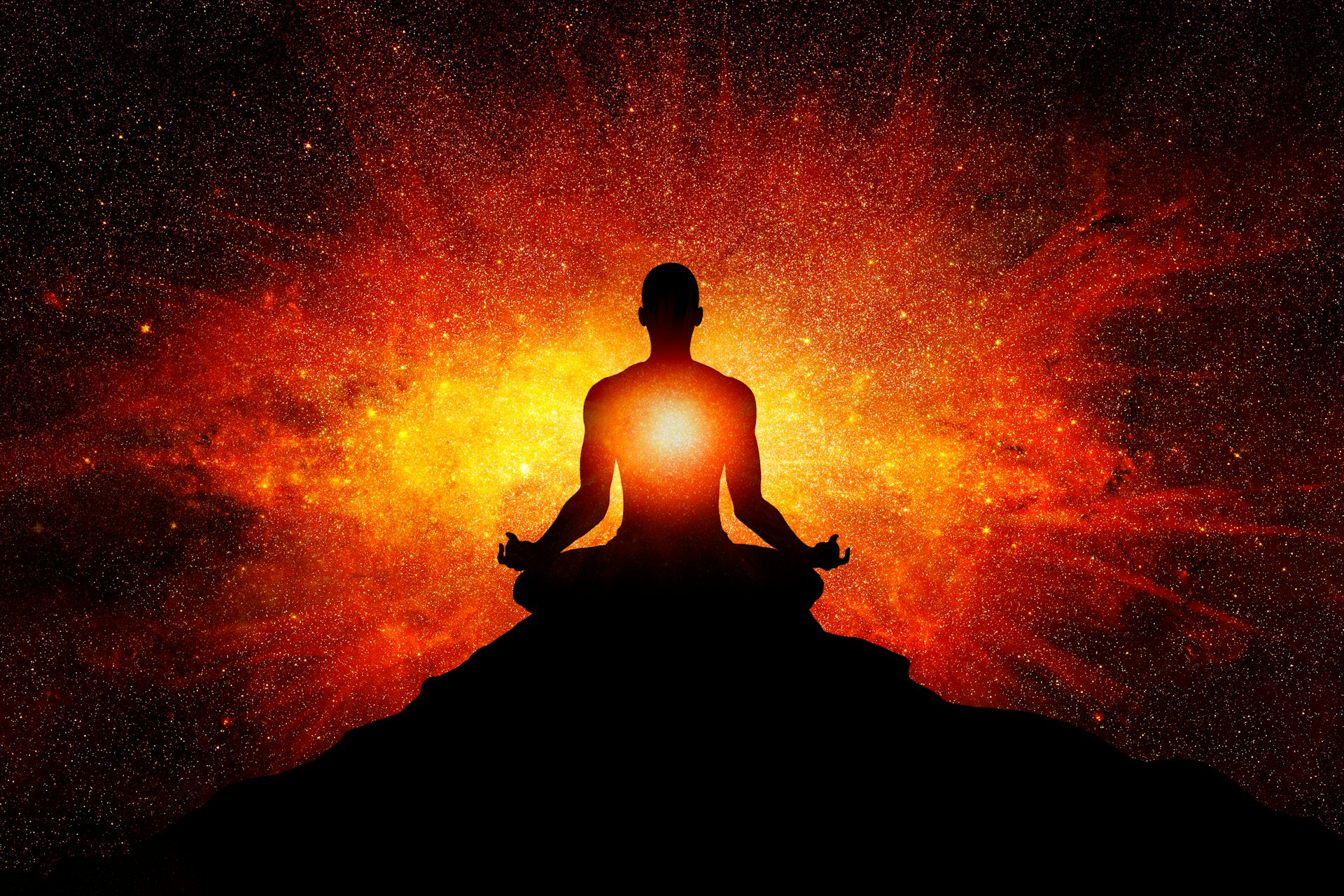
Meditation in Hinduism can be traced back to the ancient Vedic texts, such as the Upanishads and the Bhagavad Gita. These texts expound on the importance of self-inquiry, introspection, and the cultivation of inner stillness.
Types of Meditation in Hinduism
Hinduism encompasses a wide array of meditation techniques, each with its unique approach:
- Samkhya Yoga: Focuses on observing the mind and detaching from its fluctuations.
- Raja Yoga: Emphasizes the eight limbs of yoga, including concentration, meditation, and samadhi (enlightenment).
- Bhakti Yoga: Involves devotion to a specific deity or divine form and using meditation to cultivate love and surrender.
- Jnana Yoga: Emphasizes the path of knowledge and meditation as a means of gaining self-realization.
- Karma Yoga: Involves selfless action, offering one’s actions to the divine and using meditation to cultivate detachment from the fruits of labor.
Benefits of Meditation in Hinduism
Regular meditation practice in Hinduism brings numerous benefits:
- Inner Peace: Meditation helps calm the mind, reduce stress, and promote a sense of tranquility.
- Self-Awareness: By observing the workings of the mind, meditation fosters increased self-awareness and insight into one’s own nature.
- Emotional Regulation: Meditation teaches techniques for managing emotions and preventing them from overwhelming the self.
- Spiritual Awakening: Through meditation, individuals can connect with their spiritual essence and cultivate a deeper understanding of their place in the universe.
How to Practice Meditation in Hinduism
The practice of meditation in Hinduism typically involves:
- Choosing a Quiet Place: Find a serene and undisturbed location where you can focus on your meditation.
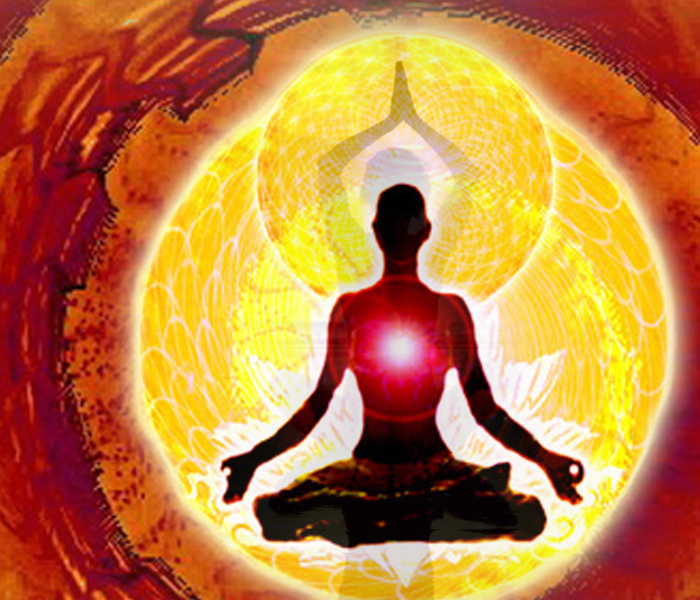
- Posture and Breathing: Sit comfortably in a lotus or cross-legged position. Close your eyes and focus on your breath.
- Concentration: Gradually shift your attention from your surroundings to your breath or a specific mantra.
- Letting Go: Allow thoughts and distractions to come and go without judgment. Return to your focal point each time.
- Deepening the Practice: As you progress, extend the duration of your meditations gradually and explore different techniques to deepen your connection.
Conclusion
Meditation in Hinduism is an ancient and profound practice that offers a potent path to inner peace and spiritual awakening. By embracing the teachings of Hinduism, individuals can cultivate a deeper understanding of themselves, their relationship with the divine, and their role in the universe. Through the regular practice of meditation, one can experience the transformative power of Hinduism and embark on a journey of spiritual evolution.## Hinduism And Meditation: Achieving Inner Peace And Spiritual Awakening
Executive Summary
Hinduism is a rich and diverse religion that has been practiced for centuries. It offers a variety of paths to spiritual awakening, including meditation. Meditation is a practice that can help you to connect with your inner self, find peace, and reduce stress. This article will explore the relationship between Hinduism and meditation, and provide you with some tips on how to get started with meditation.
Introduction
Hinduism is one of the oldest religions in the world, with roots dating back to the Indus Valley Civilization of ancient India. It is a complex and multifaceted religion, with a wide range of beliefs and practices. However, at its core, Hinduism is a path to spiritual awakening. Meditation is one of the most important practices in Hinduism, and it is believed to be essential for achieving inner peace and spiritual liberation.
FAQs
What is meditation?
Meditation is a practice that involves focusing your attention on a single object or thought. This can be done through a variety of techniques, such as mindfulness meditation, mantra meditation, or transcendental meditation.
What are the benefits of meditation?
Meditation has been shown to have a wide range of benefits, including:
- Reduced stress and anxiety
- Improved focus and concentration
- Enhanced creativity and problem-solving skills
- Increased self-awareness and compassion
- Reduced risk of chronic diseases, such as heart disease and cancer
How do I get started with meditation?
There are many different ways to get started with meditation. Here are a few tips:
- Find a quiet place where you will not be disturbed.
- Sit in a comfortable position, with your spine straight.
- Close your eyes and focus on your breath.
- Notice the rise and fall of your breath, without judgment.
- When your mind wanders, gently bring it back to your breath.
Top 5 Subtopics
The Role of Meditation in Hinduism
Meditation is considered to be one of the most important practices in Hinduism. It is believed to be essential for achieving inner peace, self-realization, and spiritual liberation. There are many different types of meditation practiced in Hinduism, each with its own unique purpose and benefits.
Different Types of Meditation
There are many different types of meditation practiced in Hinduism, including:
- Mindfulness meditation: This type of meditation involves focusing your attention on the present moment, without judgment. It can help you to become more aware of your thoughts, feelings, and bodily sensations.
- Mantra meditation: This type of meditation involves repeating a mantra, or sacred word or phrase. It can help you to focus your mind and achieve a state of deep relaxation.
- Transcendental meditation: This type of meditation involves using a specific technique to transcend the mind and experience pure consciousness. It is believed to be one of the most effective techniques for achieving spiritual enlightenment.
The Benefits of Meditation
Meditation has been shown to have a wide range of benefits, including:
- Reduced stress and anxiety
- Improved focus and concentration
- Enhanced creativity and problem-solving skills
- Increased self-awareness and compassion
- Reduced risk of chronic diseases, such as heart disease and cancer
How to Get Started with Meditation
If you are new to meditation, there are many resources available to help you get started. You can find books, online courses, and even meditation apps that can guide you through the process. Here are a few tips to help you get started:
- Find a quiet place where you will not be disturbed.
- Sit in a comfortable position, with your spine straight.
- Close your eyes and focus on your breath.
- Notice the rise and fall of your breath, without judgment.
- When your mind wanders, gently bring it back to your breath.
Conclusion
Meditation is a powerful practice that can help you to achieve inner peace, reduce stress, and improve your overall well-being. If you are looking for a way to connect with your inner self and experience spiritual awakening, meditation may be the perfect practice for you.
Keyword Tags
- Hinduism
- Meditation
- Inner peace
- Spiritual awakening
- Mindfulness