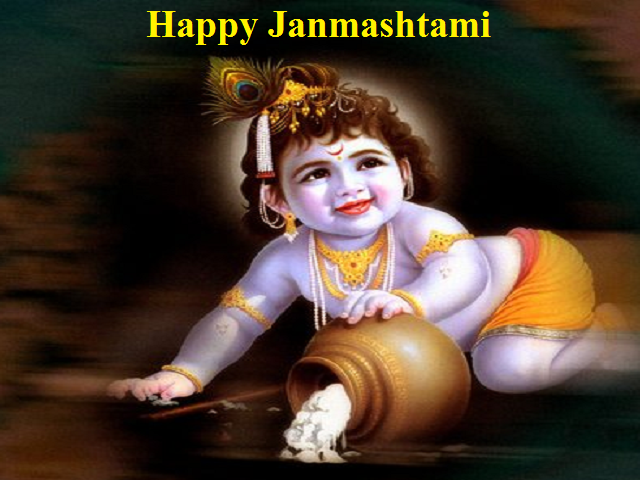
Significance of Janmashtami: Celebrating the Birth of Lord Krishna
Janmashtami, a grand Hindu festival, commemorates the birth anniversary of Lord Krishna, an incarnation of Lord Vishnu, the Preserver in the Hindu Trinity. Observed on the eighth day (Ashtami) of the Krishna Paksha (dark fortnight) in the month of Bhadrapada, Janmashtami signifies the triumph of good over evil and brings joy and happiness to devotees worldwide.
Auspicious Birth and Divine Revelations:
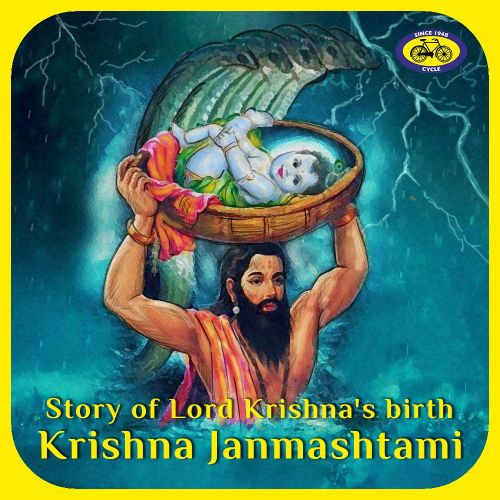
According to the Bhagavata Purana, Lord Krishna was born in Dwapara Yuga in the prison of King Kansa, his evil maternal uncle. Kansa had received a prophecy that his eighth child would kill him, which led him to imprison his sister Devaki and her husband Vasudeva. Lord Krishna was Devaki’s eighth child, and to protect him from Kansa, he was miraculously transported to the village of Gokul, where he was raised by the cowherd Nanda and his wife Yashoda.
On the night of Janmashtami, the prison doors opened miraculously, and the guards fell asleep. Lord Krishna emerged from the womb of Devaki, illuminating the prison with his radiant glow. The divine conch Shankha and Sudarshana Chakra were in his hands, and he revealed his true form as the Supreme Lord, Vishnu. He declared his purpose to destroy evil and protect righteousness.
Celebrations and Rituals:
Janmashtami is celebrated with great enthusiasm and devotion across India and other parts of the world. Devotees observe fasting, perform special pujas (worship rituals), and sing devotional songs (bhajans) in temples and homes.
One of the key traditions is the Dahi Handi or Dahi Matki ritual, where an earthen pot filled with curd, sugar, and fruits is hung high up. Young men form human pyramids to reach the pot and break it, symbolizing Lord Krishna’s childhood antics of stealing butter and curd from his neighbors.
Other rituals include Abhishekam (sacred bathing of the deity), Aarti (waving of lamps), and the reading of the Bhagavad Gita, Lord Krishna’s teachings to Arjuna on the battlefield of Kurukshetra.
Spiritual Significance:
Janmashtami holds immense spiritual significance for Hindus. It is believed that on this day, the gates of heaven are opened, and prayers are answered with greater potency. By commemorating the birth of Lord Krishna, devotees seek his blessings, protection, and guidance in their lives.
Lord Krishna’s teachings, as expounded in the Bhagavad Gita, provide timeless insights into karma, devotion, and the path to liberation. His life and actions embody the principles of love, compassion, and the pursuit of righteousness.
Conclusion:
Janmashtami is a festival that not only celebrates the birth of a beloved deity but also serves as a reminder of the eternal battle between good and evil. By observing its rituals and understanding Lord Krishna’s teachings, devotees can imbue their lives with joy, hope, and the unwavering belief in the triumph of righteousness. As the festival approaches, let us all remember the divine message of Janmashtami and strive to live by the ideals that Lord Krishna lived and taught.## The Significance Of Janmashtami: Celebrating The Birth Of Lord Krishna
Executive Summary
Janmashtami, a significant Hindu festival, commemorates the birth of Lord Krishna, the avatar of Lord Vishnu. Its observance involves fasting, prayers, and festivities, reflecting the joy and reverence associated with the divine birth.
Introduction
Janmashtami, also known as Krishnashtami, is an auspicious occasion celebrated with immense fervor and devotion by Hindus worldwide. It marks the birth anniversary of Lord Krishna, an embodiment of love, compassion, and divine wisdom. This festival is a time for reflection, celebration, and spiritual rejuvenation.
FAQs
1. When is Janmashtami celebrated?
Janmashtami is celebrated on the eighth day (Ashtami) of the dark fortnight (Krishna Paksha) in the month of Bhadra, according to the Hindu lunisolar calendar. It usually falls in the months of August or September on the Gregorian calendar.
2. How is Janmashtami observed?
Janmashtami is observed with various rituals, including fasting, praying, singing devotional songs (bhajans and kirtans), and performing puja (worship) of Lord Krishna. Devotees also engage in cultural festivities like dance and drama performances depicting scenes from Krishna’s life.
3. What is the significance of Lord Krishna’s birth?
Lord Krishna’s birth is believed to have marked the end of the Dwapara Yuga and the beginning of the Kali Yuga. He is considered an incarnation of Lord Vishnu and a protector of dharma (righteousness). His teachings, known as the Bhagavad Gita, are a source of wisdom and guidance for countless devotees.
Subtopics
1. The Legend of Krishna’s Birth
- Birth in Prison: Krishna was born in a prison cell to Devaki and Vasudeva, who were imprisoned by the evil king Kamsa.
- Divine Intervention: Lord Vishnu intervened and transported the newborn Krishna across the Yamuna River to the safety of Yashoda and Nanda’s home.
- Kamsa’s Defeat: Krishna eventually confronted and defeated Kamsa, fulfilling the prophecy that he would be killed by his own nephew.
- Childhood in Gokul: Krishna grew up in the idyllic village of Gokul, where he displayed his divine powers and playful nature.
- Slaying of the Demon Putana: Krishna killed the demoness Putana, who disguised herself as a nurse to poison him.
2. The Teachings of the Bhagavad Gita
- Divine Guidance: The Bhagavad Gita is a sacred text that contains Lord Krishna’s teachings to his disciple, Arjuna.
- Dharma and Karma: Krishna emphasizes the importance of following one’s dharma (duty) and reaping the fruits of one’s actions (karma).
- Detachment and Renunciation: He advocates for detachment from worldly attachments and pursuit of spiritual enlightenment.
- Bhakti Yoga: Krishna extols the path of devotion (bhakti) as the ultimate means of attaining salvation.
- Cosmic Reality: The Gita reveals the interconnectedness of all beings and the ultimate reality of Brahman, the supreme consciousness.
3. Krishna’s Divine Attributes
- Divine Love: Krishna is known for his unconditional love and compassion for all living beings.
- Leela: His playful and miraculous activities, known as leelas, are a source of joy and inspiration for devotees.
- Cosmic Form: Krishna revealed his cosmic form, known as Vishwaroopam, to Arjuna on the battlefield of Kurukshetra.
- Flute Enchantment: His melodious flute playing captivates hearts and embodies the divine music of the universe.
- Symbol of Hope: Krishna is seen as a beacon of hope and salvation in times of adversity.
4. Festivals and Rituals Associated with Janmashtami
- Dahi Handi Festival: Devotees form human pyramids to break clay pots filled with curd, symbolizing Krishna’s love for butter and dairy products.
- Ras Leela: A traditional dance performance that depicts the divine love between Krishna and the gopis (milkmaids).
- Janmashtami Fasting: Many devotees observe a fast on Janmashtami, breaking it only after midnight when Krishna is believed to have been born.
- Nirmalya Puja: The offering of flowers and leaves that have been placed at Krishna’s altar is considered especially auspicious on this day.
- Abhishek: Devotees bathe the idol of Krishna with milk, honey, and other sacred substances as a form of purification and devotion.
5. The Significance of Janmashtami Today
- Preservation of Tradition: Janmashtami helps preserve and pass down the rich cultural heritage of India.
- Spiritual Renewal: It provides an opportunity for devotees to reconnect with their faith and seek spiritual guidance.
- Celebration of Love and Hope: Krishna’s teachings and his unconditional love inspire hope and optimism in the face of challenges.
- Global Appeal: Janmashtami is celebrated by Hindus worldwide, transcending geographical and cultural boundaries.
- Cultural Exchange: It fosters cultural exchange and understanding between different communities, promoting harmony and goodwill.
Conclusion
Janmashtami is more than just a festival; it is a celebration of the divine love, wisdom, and playfulness of Lord Krishna. Through its rituals, teachings, and festivities, Janmashtami reminds us of the power of devotion, the importance of following our dharma, and the boundless joy that comes from embracing the divine within us.
Keyword Tags
- Janmashtami
- Lord Krishna
- Bhagavad Gita
- Hindu Festival
- Divine Birth