The Hindu Concept of Vairagya: Cultivating Detachment and Renunciation in Life
Introduction:
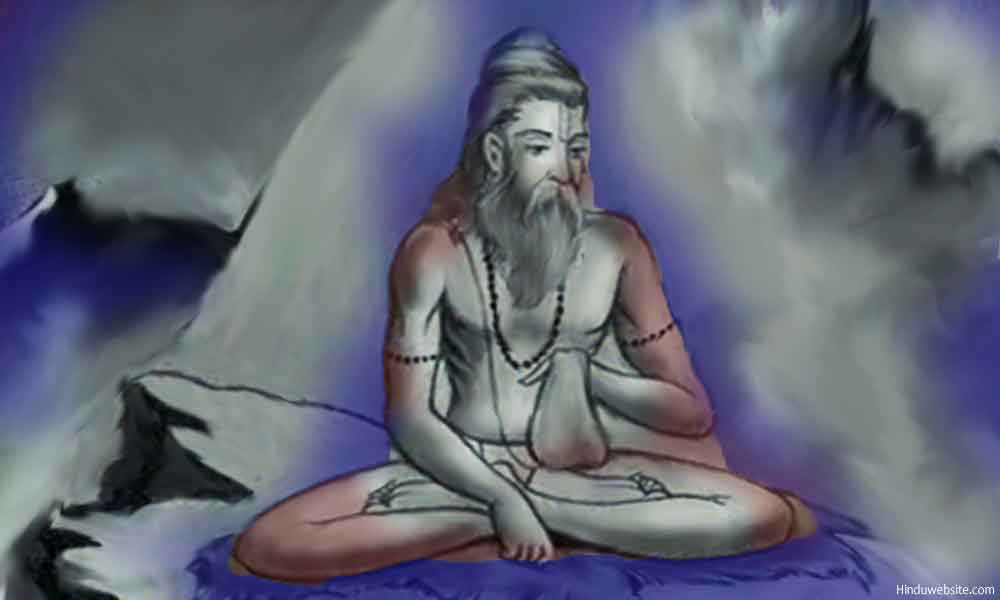
Vairagya is a fundamental concept in Hindu philosophy that signifies detachment and renunciation. It is considered a crucial step on the path to spiritual liberation (moksha). This essay explores the Hindu concept of vairagya, its significance, and how it can be cultivated in daily life.
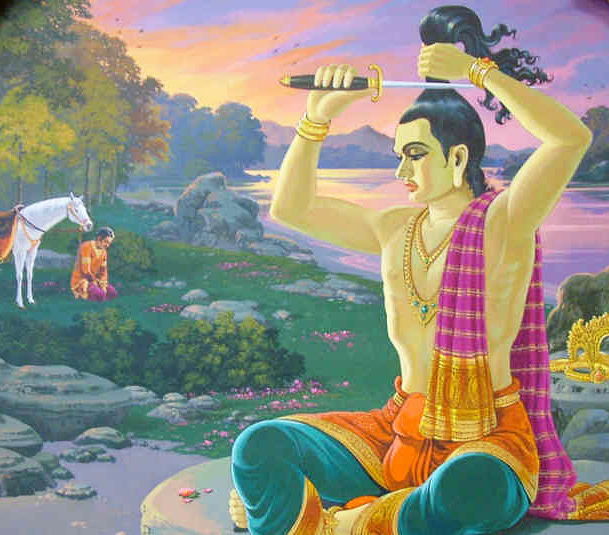
Meaning and Significance of Vairagya:
Vairagya literally translates to “dispassion” or “freedom from attachment.” It is the state of being detached from worldly possessions, desires, and relationships. Vairagya recognizes that these external factors can create suffering and hinder one’s spiritual growth.
By cultivating vairagya, individuals aim to overcome their attachment to the material world and focus on their inner life. It allows them to realize that true happiness and fulfillment cannot be found in external objects but within themselves.
Stages of Vairagya:
Vairagya can be developed through various stages:
- Vivēka: Discriminating between the real (permanent) and the ephemeral (temporary)
- Vītarāgatā: Developing detachment from material possessions and desires
- Vairāgya: Cultivating dispassion towards all external objects, including relationships and worldly attachments
- Paramahamsa: The highest stage, where individuals renounce all possessions and wander without any attachments
Cultivating Vairagya:
Cultivating vairagya requires a gradual process of self-purification and discipline. Here are some practices that can help:
- Self-Reflection: Introspect on the nature of attachment and its effects on your life.
- Meditation: Regular meditation helps calm the mind, reduces desires, and fosters detachment.
- Simple Living: Embrace a life of simplicity and minimalism, reducing your dependence on material possessions.
- Service to Others: Engaging in selfless acts of service can help shift your focus from your own desires to the needs of others.
- Devotion to the Divine: Cultivating devotion to a deity or higher power can provide a sense of purpose and reduce attachment to worldly distractions.
Benefits of Vairagya:
Cultivating vairagya brings numerous benefits, including:
- Reduced Suffering: Detachment from material possessions helps minimize the impact of losses and setbacks.
- Inner Peace: By letting go of attachment, individuals experience a deep sense of inner peace and contentment.
- Spiritual Growth: Vairagya clears the path for spiritual development and self-realization.
- Clarity of Mind: Detachment reduces distractions and allows for greater clarity of thought and decision-making.
- Freedom: Renouncing attachments frees individuals from the limitations of the material world, allowing them to live with purpose and authenticity.
Conclusion:
The Hindu concept of vairagya is a powerful tool for spiritual growth and liberation. By cultivating detachment and renunciation, individuals can overcome the limitations of the material world, find true happiness within themselves, and embark on a journey towards spiritual fulfillment. Vairagya is not about denial or asceticism but about developing a balanced and non-attached approach to life, ultimately leading to a state of inner peace, freedom, and enlightenment.## The Hindu Concept Of Vairagya: Cultivating Detachment And Renunciation In Life
Executive Summary
The Hindu concept of Vairagya is a spiritual practice that involves cultivating detachment and renunciation from worldly possessions and desires. It is a path to spiritual liberation and self-realization, and it is believed to help individuals break free from the cycle of birth and death.
Introduction
Vairagya is a key concept in Hinduism, and it is considered one of the four main paths to spiritual liberation. The other three paths are Karma Yoga, Bhakti Yoga, and Jnana Yoga. Vairagya is often translated as “detachment” or “renunciation”, but it is more than just giving up material possessions. It is a state of mind in which one is not attached to the outcomes of one’s actions, and one is not seeking pleasure or avoiding pain.
FAQs
-
What is the goal of Vairagya?
The goal of Vairagya is to achieve spiritual liberation and self-realization. This is achieved by breaking free from the cycle of birth and death, and by realizing one’s true nature as Brahman. -
How can I practice Vairagya?
There are many ways to practice Vairagya, but some of the most common include: -
Detaching yourself from material possessions
-
Renouncing worldly desires
-
Practicing non-attachment
-
Cultivating a sense of equality and compassion
-
What are the benefits of practicing Vairagya?
There are many benefits to practicing Vairagya, including: -
Reduced stress and anxiety
-
Increased peace and happiness
-
Greater self-awareness
-
Spiritual liberation and self-realization
Subtopics
Detachment From Material Possessions
- Understanding the nature of attachment: Attachment is a form of craving or desire that binds us to the material world. It is the source of much of our suffering, as we are constantly trying to acquire more possessions and experiences, only to find that they do not ultimately satisfy us.
- Letting go of attachments: The practice of detachment involves letting go of our attachments to material possessions. This does not mean that we must give up all of our possessions, but it does mean that we must learn to be content with what we have and to not be attached to the outcomes of our actions.
- Benefits of detachment: Detachment from material possessions can lead to a number of benefits, including reduced stress and anxiety, increased peace and happiness, and greater self-awareness.
Renunciation Of Worldly Desires
- Understanding the nature of desire: Desire is another form of craving or attachment that binds us to the material world. It is the source of much of our suffering, as we are constantly trying to satisfy our desires, only to find that they are never truly satisfied.
- Renouncing worldly desires: The practice of renunciation involves renouncing our worldly desires. This does not mean that we must give up all of our desires, but it does mean that we must learn to distinguish between our true needs and our wants, and to be content with what we have.
- Benefits of renunciation: Renouncing worldly desires can lead to a number of benefits, including reduced stress and anxiety, increased peace and happiness, and greater self-awareness.
Non-Attachment
- Understanding the nature of non-attachment: Non-attachment is a state of mind in which we are not attached to the outcomes of our actions. We do not seek pleasure or avoid pain, but instead we accept whatever life brings us with equanimity.
- Practicing non-attachment: The practice of non-attachment involves learning to let go of our expectations and desires, and to be content with what we have. We must also learn to accept the fact that we cannot control everything in our lives, and that we must sometimes surrender to the flow of life.
- Benefits of non-attachment: Non-attachment can lead to a number of benefits, including reduced stress and anxiety, increased peace and happiness, and greater self-awareness.
Cultivating A Sense Of Equality And Compassion
- Understanding the nature of equality and compassion: Equality and compassion are two important virtues that can help us to overcome our attachments and desires. Equality means seeing all beings as equal, regardless of their race, religion, gender, or social status. Compassion means feeling empathy for others and wanting to help them suffer.
- Cultivating equality and compassion: We can cultivate equality and compassion by practicing mindfulness and meditation, and by developing a sense of gratitude for all that we have. We can also try to see the world from the perspectives of others, and to understand their suffering.
- Benefits of cultivating equality and compassion: Cultivating equality and compassion can lead to a number of benefits, including reduced stress and anxiety, increased peace and happiness, and greater self-awareness.
Conclusion
Vairagya is a powerful spiritual practice that can help us to break free from the cycle of birth and death, and to achieve spiritual liberation and self-realization. By detaching ourselves from material possessions, renouncing worldly desires, practicing non-attachment, and cultivating a sense of equality and compassion, we can experience greater peace, happiness, and self-awareness in our lives.
Keywords
- Vairagya
- Detachment
- Renunciation
- Non-attachment
- Spiritual liberation