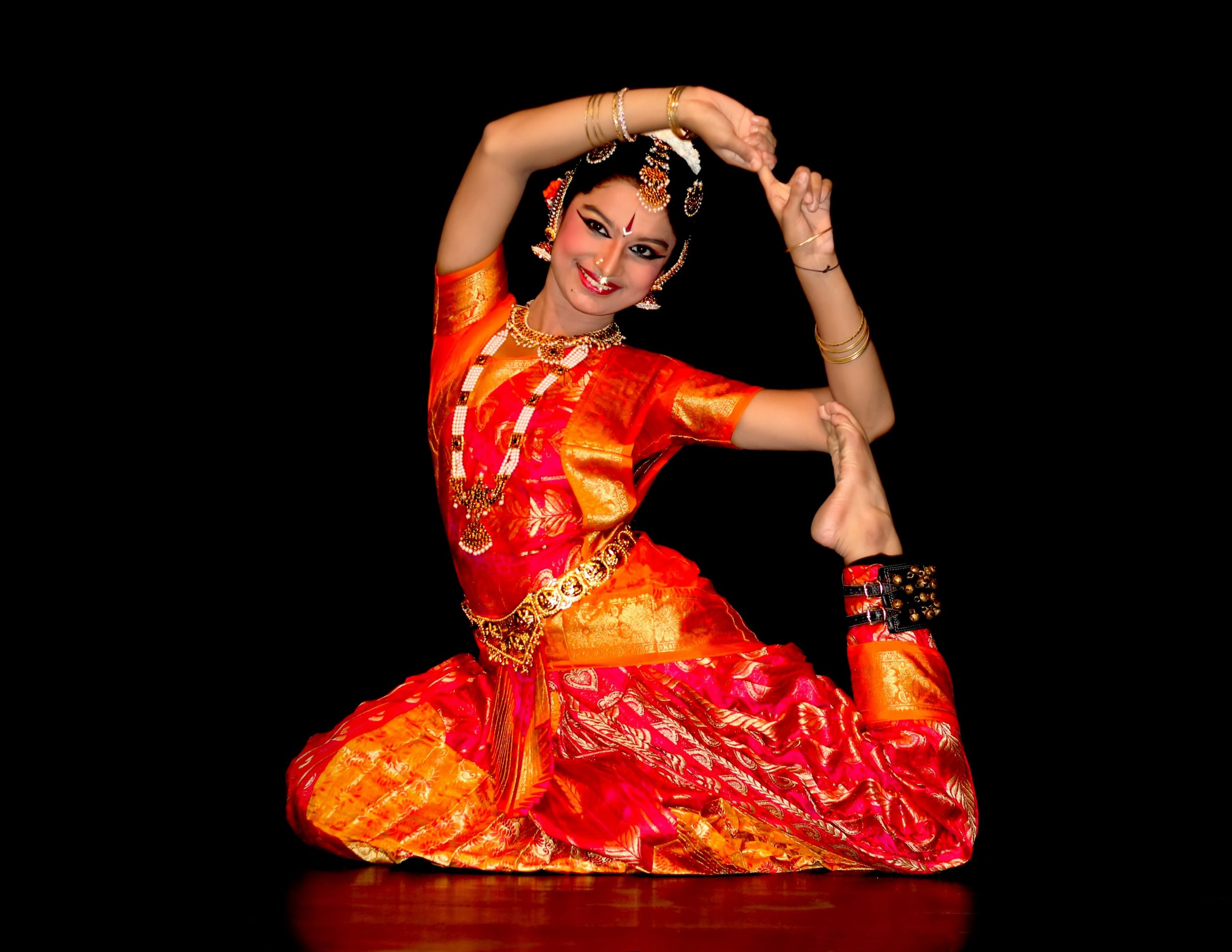
eGod.eu – The Role of Music and Dance in Hinduism: A Divine Symphony of Devotion. In the rich tapestry of Hinduism, music and dance are not mere forms of entertainment; they are sacred expressions of devotion, paths to spiritual awakening, and celebrations of the divine. From the soul-stirring melodies of bhajans to the intricate movements of classical dance forms, Hinduism’s musical and choreographic traditions are deeply interwoven with its spiritual essence.
The Cosmic Dance of Creation: Nataraja, the Dancing Shiva
At the heart of Hindu mythology lies the captivating image of Nataraja, the dancing Shiva. With four arms outstretched, adorned with cosmic symbols, Shiva embodies the eternal cycle of creation, preservation, and destruction through his rhythmic movements. This divine dance is a metaphor for the universe’s constant flux and the interconnectedness of all things.
But Nataraja’s dance is not just a mythological concept; it’s a living tradition celebrated through Bharatanatyam, a classical dance form originating in South India. Bharatanatyam dancers embody Shiva’s grace and power, their movements narrating tales of devotion, mythology, and the human experience.
Bhajans: Songs of Devotion and Surrender
In the realm of music, bhajans hold a special place. These devotional songs, often sung in temples and during religious ceremonies, are a way for devotees to connect with the divine. Their simple melodies and heartfelt lyrics express love, gratitude, and surrender to God. The act of singing bhajans is a form of bhakti yoga, the path of devotion, which emphasizes the emotional connection with the divine.
Bhajans are not just about religious rituals; they are also a form of community building. Singing bhajans together fosters a sense of unity and shared devotion, creating a sacred space where individuals can connect with their inner selves and with others. The collective energy generated during bhajan sessions is believed to have a purifying and uplifting effect on the participants.
Classical Forms: A Tapestry of Emotion and Spirituality
Hinduism boasts a rich array of classical dance and music forms, each with its unique style, history, and spiritual significance.
Bharatanatyam
This South Indian dance form, as mentioned earlier, is deeply rooted in Hindu mythology and temple traditions. It is known for its intricate footwork, expressive gestures, and elaborate costumes. The dancer not only narrates stories but also evokes a range of emotions, from devotion to anger, through their movements and facial expressions.
Kathak
Originating in North India, Kathak is characterized by its storytelling prowess, rhythmic footwork, and graceful movements. It often depicts tales from Hindu epics like the Ramayana and Mahabharata, bringing these ancient stories to life through dance.
Kuchipudi
Hailing from Andhra Pradesh, Kuchipudi is a vibrant dance form known for its energetic movements, expressive storytelling, and unique feature of dance-dramas. The dancers often play multiple roles within a single performance, showcasing their versatility and acting skills.
Odissi
This graceful dance form from Odisha is characterized by its fluid movements, sculpturesque poses, and devotion to Lord Jagannath. Odissi dancers often use their bodies to create intricate shapes and patterns, symbolizing the divine beauty and harmony of the universe.
Mohiniyattam
Originating in Kerala, Mohiniyattam is a feminine and sensual dance form often dedicated to the goddess Parvati. Its graceful movements and expressive eyes create a mesmerizing experience, conveying the beauty and allure of the divine feminine.
Each of these classical forms embodies the essence of Hindu spirituality, using intricate movements, rhythms, and expressions to convey devotion, mythology, and the human experience.
The Role of the Guru: Passing Down the Sacred Tradition
In Hindu culture, the guru, or spiritual teacher, plays a pivotal role in preserving and transmitting the knowledge and practice of music and dance. From the ancient sage Narada, revered as the celestial musician, to modern-day gurus like Pandit Ravi Shankar (sitar maestro) and Rukmini Devi Arundale (reviver of Bharatanatyam), gurus have nurtured and guided generations of artists and devotees.
The guru-disciple relationship is considered sacred, a bond of trust and devotion that fosters spiritual growth and artistic excellence. Gurus not only impart technical skills but also instill in their students a deep reverence for the spiritual significance of music and dance. This is reminiscent of the guru’s importance in other aspects of Hinduism, as explored in “The Role Of The Guru In Hindu Spirituality: From Adi Shankara To Paramahansa Yogananda.”
The Sound of the Divine: Music as a Spiritual Tool
In Hinduism, music is not merely a sensory experience; it is a powerful tool for spiritual upliftment. The ancient texts of the Vedas, Upanishads, and Puranas extol the virtues of music and its ability to awaken the soul, connect with the divine, and induce a state of transcendence.
The concept of Nada Brahma, the sound of the universe, is central to Hindu philosophy. It is believed that the entire cosmos is a manifestation of sound, and that music is a way to tune into this cosmic vibration. The practice of Tapas, or spiritual discipline, often involves the use of music and chanting as a means to focus the mind and elevate consciousness.
From the rhythmic chanting of mantras to the melodic strains of classical ragas, music in Hinduism serves a variety of purposes:
Meditation and Prayer
The repetitive chanting of mantras is believed to calm the mind, focus attention, and create a receptive state for spiritual experiences. The vibrations of the sounds are thought to resonate with the divine energy within and around us.
Temple Rituals
Music plays an integral role in temple rituals, creating an atmosphere of devotion and reverence. The sounds of bells, drums, and chanting fill the air, invoking the presence of the deities and inviting blessings.
Festivals and Celebration
Music and dance are an essential part of Hindu festivals, adding to the joyous and celebratory atmosphere. The vibrant rhythms and melodies express the exuberance of devotion and the unity of the community.
Read Mores:
- The Hindu Concept of Tapas: Discipline and Austerity for Spiritual Growth: The dedication and discipline required to master music and dance can be seen as a form of tapas, contributing to spiritual growth.
- The Role of the Guru in Hindu Spirituality: From Adi Shankara to Paramahansa Yogananda: The guru-disciple relationship is crucial in the transmission of musical and dance traditions in Hinduism.
- The Many Names of God in Hinduism: Brahman, Shiva, Vishnu, and More: Music and dance are often dedicated to specific deities, invoking their blessings and presence. Many bhajans and kirtans are composed in praise of these various deities.