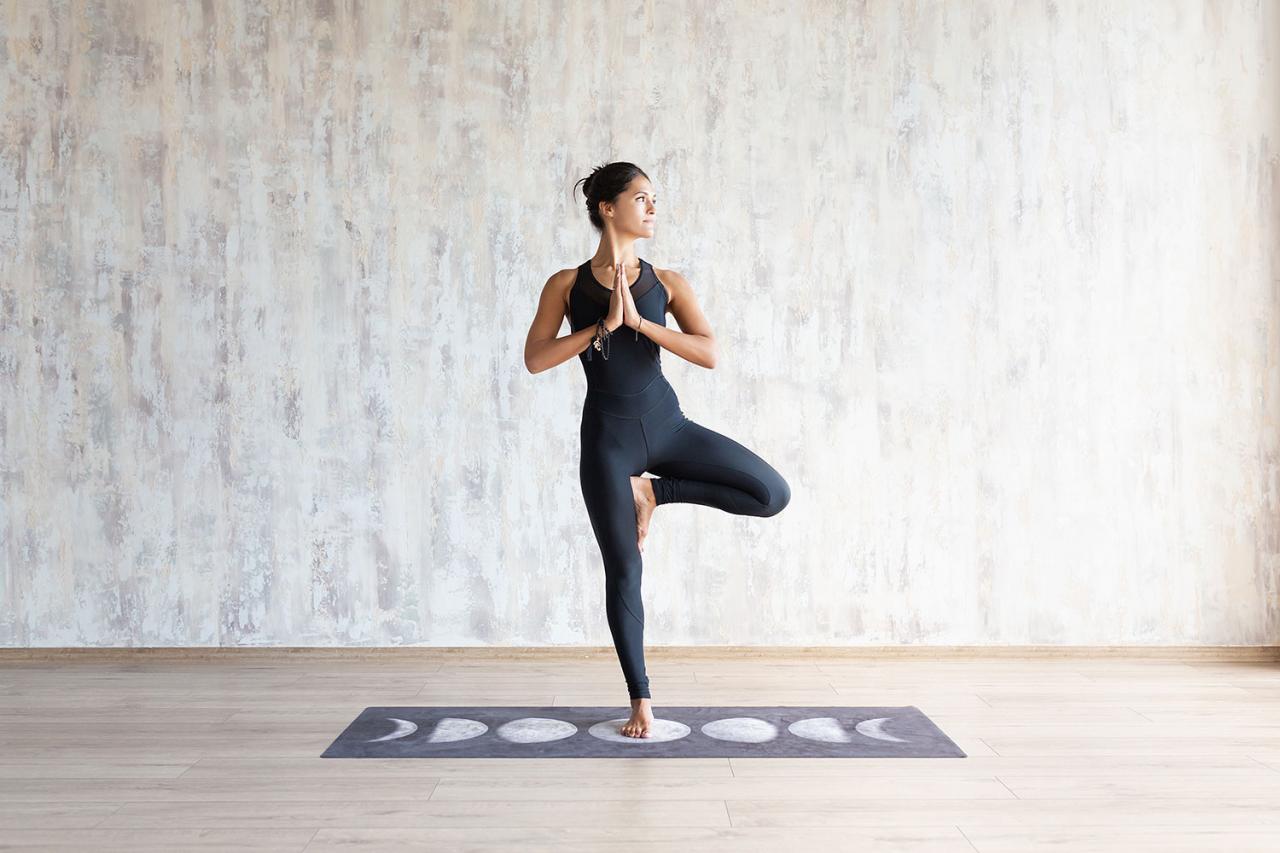
In today’s fast-paced world, finding moments of peace and tranquility can be challenging. Yoga offers a holistic approach to health and well-being, combining physical postures, breathing techniques, and meditation to help individuals achieve balance in mind, body, and spirit. If you’re new to yoga and looking to start your journey towards improved flexibility, strength, and inner peace, this comprehensive guide is designed just for you.
Benefits of Yoga for Beginners
Yoga is more than just a form of exercise; it’s a lifestyle that promotes overall wellness. As a beginner, you may be wondering about the specific benefits that yoga can offer. Here are some key advantages of practicing yoga regularly:
- Improved Flexibility: One of the most noticeable benefits of yoga is increased flexibility. Through a series of gentle stretches and poses, you can gradually improve your range of motion and reduce stiffness in your muscles and joints.
- Enhanced Strength: While yoga may not involve lifting heavy weights, it can still help build muscle strength. Many yoga poses require you to support your body weight, which can tone and strengthen various muscle groups.
- Stress Relief: Yoga emphasizes mindfulness and deep breathing, which can help calm the mind and reduce stress levels. By focusing on the present moment, you can cultivate a sense of inner peace and relaxation.
- Better Posture: Poor posture is a common issue in today’s sedentary lifestyle. Yoga can help correct alignment issues and strengthen the muscles that support good posture, leading to improved spinal health.
- Increased Energy: Regular yoga practice can boost energy levels and combat feelings of fatigue. By promoting circulation and oxygen flow throughout the body, yoga can leave you feeling revitalized and invigorated.
Getting Started with Yoga
If you’re ready to embark on your yoga journey, here are some essential tips for beginners:
- Choose the Right Style: There are many different styles of yoga, each with its own focus and intensity level. As a beginner, consider starting with Hatha or Vinyasa yoga, which are suitable for all fitness levels.
- Invest in Quality Gear: While you don’t need fancy equipment to practice yoga, investing in a good-quality mat and comfortable clothing can enhance your overall experience.
- Start Slow: It’s important to listen to your body and not push yourself too hard, especially as a beginner. Take breaks when needed and focus on proper form to prevent injuries.
- Practice Consistency: To reap the full benefits of yoga, aim to practice regularly. Even just a few minutes of yoga each day can make a significant difference in your physical and mental well-being.
- Find a Qualified Instructor: If possible, attend a few classes with a certified yoga instructor to learn proper alignment and technique. They can provide valuable guidance and feedback as you progress in your practice.
Common Yoga Poses for Beginners
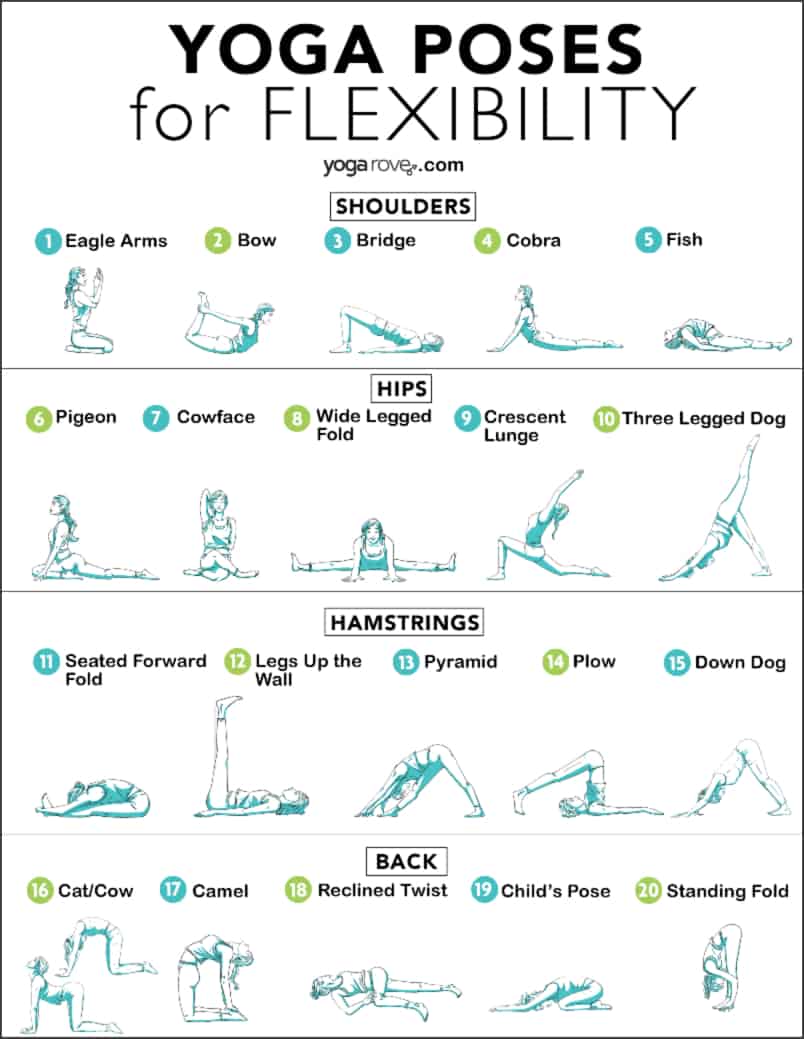
As a beginner, it’s helpful to familiarize yourself with some basic yoga poses that form the foundation of a typical practice. Here are a few beginner-friendly poses to get you started:
- Mountain Pose (Tadasana): Stand tall with feet hip-width apart, arms by your sides. This pose helps improve posture and balance.
- Downward-Facing Dog (Adho Mukha Svanasana): Start on your hands and knees, then lift your hips up and back to form an inverted V shape. This pose stretches the entire body and builds strength.
- Warrior I (Virabhadrasana I): Step one foot back into a lunge position, with the front knee bent at a 90-degree angle. Raise your arms overhead and gaze up. This pose strengthens the legs and opens the chest.
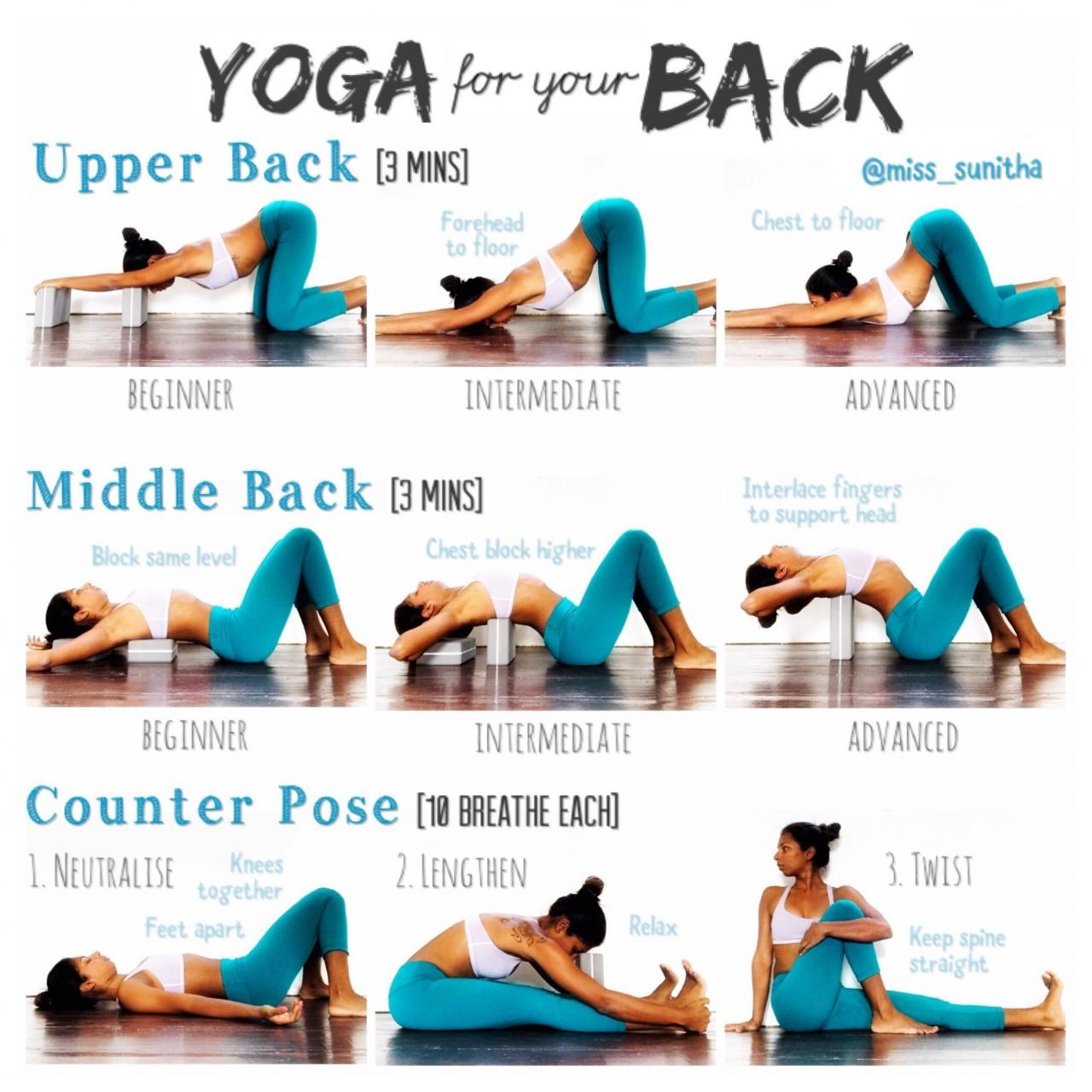
- Child’s Pose (Balasana): Kneel on the floor, then sit back on your heels and fold forward, resting your forehead on the mat. This relaxing pose stretches the back and shoulders.
- Corpse Pose (Savasana): Lie flat on your back with arms by your sides, palms facing up. Close your eyes and focus on deep breathing. This final relaxation pose helps calm the mind and body.
Conclusion
Embarking on a yoga journey as a beginner can be both exciting and rewarding. By incorporating yoga into your daily routine, you can experience a wide range of physical, mental, and emotional benefits. Remember to practice with patience and consistency, honoring your body’s limitations while also challenging yourself to grow. Whether you’re looking to improve flexibility, build strength, or find inner peace, yoga offers a versatile and accessible path towards holistic well-being. Start your yoga practice today and discover the transformative power of this ancient discipline.