
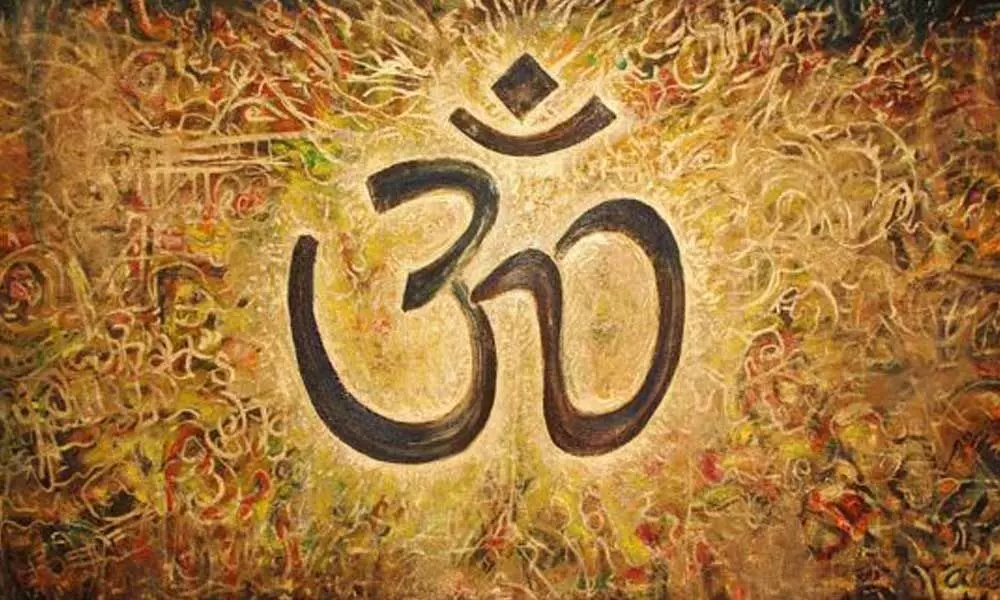
eGod – Why Hindu Religion Can’t Spread Like Other Major Religions. It is not accurate to say that Hinduism cannot spread like other religions such as Islam and Christianity, as Hinduism is practiced by millions of people around the world, and has been influential in shaping various aspects of culture and spirituality.
However, it is true that Hinduism is a complex and diverse religion that can be difficult to understand for those who have not grown up with it. Additionally, Hinduism does not have a centralized authority or a single set of beliefs that can be easily communicated to others, as is the case with some other religions.
Furthermore, Hinduism is deeply rooted in the cultural and historical traditions of India, and it is difficult to separate the religion from the culture and traditions in which it developed. This can make it challenging for Hinduism to spread beyond India and its diaspora.
Additionally, unlike Islam and Christianity, Hinduism does not have a tradition of missionary work or conversion, and many Hindus believe that it is not necessary to convert others to their religion in order to achieve spiritual fulfillment.
Ultimately, the growth and spread of religion depend on a variety of factors, including historical, cultural, social, and political circumstances. While Hinduism may not have spread in the same way as other religions, it remains a significant and influential force in the lives of millions of people around the world.
Why is Like That
There are several factors that may have contributed to the differences in the spread and growth of Hinduism, compared to other religions like Islam and Christianity.
Firstly, Hinduism is a very old religion that has evolved over thousands of years and has absorbed various cultural and spiritual practices from the diverse regions and communities of India. This complexity and diversity can make it challenging to present a unified and coherent message, particularly to those outside of the culture and tradition in which it developed.
Secondly, Hinduism does not have a centralized authority or hierarchical structure, which can make it difficult to organize and coordinate missionary efforts or outreach programs. Unlike Christianity and Islam, there is no single religious leader or institution that can speak for all Hindus.
Thirdly, Hinduism is deeply embedded in the cultural and social fabric of India, and it can be difficult to separate the religion from the culture and traditions in which it developed. This can make it challenging for Hinduism to spread beyond India and its diaspora, as the religion is often closely tied to a particular way of life and worldview.
Lastly, the emphasis on personal spiritual development and the belief that all religions can lead to the ultimate goal of spiritual fulfillment means that there is less emphasis on conversion and proselytization in Hinduism, compared to other religions.
All of these factors have likely contributed to the differences in the spread and growth of Hinduism compared to other religions like Islam and Christianity. However, it is important to note that the growth and spread of a religion depend on a variety of historical, cultural, social, and political factors that are unique to each religion and context.