4 min read
•
Technical
Hinduism And Social Justice: Fighting Caste Discrimination And Inequality
- ✓ Hinduism And Social Justice: Fighting Caste Discrimination And Inequality
- ✓ Executive Summary
- ✓ Introduction
- ✓ Origins of Caste
Executive Summary

This article examines the relationship between Hinduism and social justice, focusing on the fight against caste discrimination and inequality. It explores the historical origins of the caste system, its impact on Indian society, and the efforts by Hindu reformers and activists to challenge and dismantle it. The subtopics covered include the origins of caste, its impact on society, the role of Hinduism in perpetuating caste, the fight against caste discrimination, and the challenges and prospects of achieving social justice in India.
Introduction
Hinduism is one of the world’s oldest religions, with a rich and complex history. It has played a significant role in shaping Indian culture and society, including the development of the caste system. The caste system is a form of social stratification that divides people into different groups based on their birth. It has been a source of discrimination and inequality in India for centuries.
FAQ
What is the caste system?
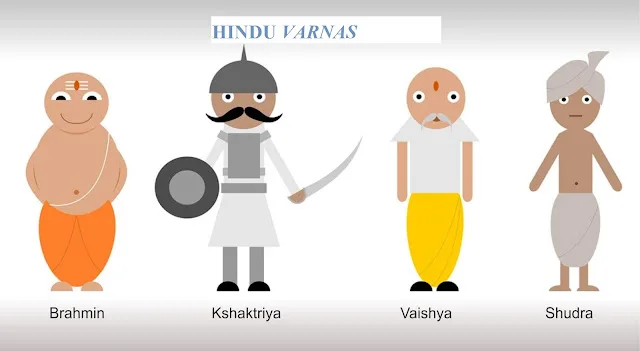
The caste system divides Indian society into four main castes: Brahmins, Kshatriyas, Vaishyas, and Shudras. Each caste has its own set of rules and customs. For example, Brahmins are considered to be the highest caste and are traditionally responsible for religious rituals. Shudras are considered to be the lowest caste and are traditionally responsible for manual labor.
What is the impact of caste discrimination?
Caste discrimination has a wide range of negative impacts on Indian society. It limits access to education, employment, and healthcare for lower-caste individuals. It also leads to social exclusion and can result in violence.
What is the role of Hinduism in perpetuating caste?
Hinduism has played a role in perpetuating the caste system by providing a religious justification for it. The Bhagavad Gita, one of the most important Hindu texts, states that people are born into different castes based on their karma. This belief has been used to justify the discrimination against lower-caste individuals.
Origins of Caste
The caste system originated in ancient India, around 1500 BCE. It is believed to have been created by the Aryans, an Indo-European people who migrated to India from Central Asia. The Aryans established a social hierarchy based on their occupation, with the priestly class at the top and the manual labor class at the bottom. Over time, this social hierarchy became more rigid and formalized, resulting in the development of the caste system.
Impact on Society
The caste system has had a profound impact on Indian society. It has divided society into rigid social groups and limited opportunities for lower-caste individuals. Caste discrimination has been used to justify a wide range of human rights violations, including untouchability, forced labor, and violence.
Role of Hinduism in Perpetuating Caste
Hinduism has played a significant role in perpetuating the caste system. The Bhagavad Gita, one of the most important Hindu texts, states that people are born into different castes based on their karma. This belief has been used to justify the discrimination against lower-caste individuals. In addition, many Hindu rituals and practices reinforce the caste system. For example, the practice of untouchability, which prohibits contact between higher and lower-caste individuals, is based on the belief that lower-caste individuals are impure.
Fight Against Caste Discrimination
The fight against caste discrimination has been a long and difficult one. In the 19th century, a number of Hindu reformers, such as Mahatma Gandhi and B.R. Ambedkar, began to challenge the caste system. They argued that it was a violation of human rights and that it had no place in modern Indian society.
In 1950, the Indian constitution outlawed caste discrimination. However, caste discrimination continues to exist in many parts of India. In recent years, there have been a number of efforts to combat caste discrimination, including the establishment of affirmative action programs and the passage of anti-caste legislation.
Challenges and Prospects of Achieving Social Justice
Achieving social justice in India will require a comprehensive approach that addresses the root causes of caste discrimination. This will require a combination of legal, social, and economic reforms. It will also require a change in attitudes and beliefs.
Despite the challenges, there is reason to be optimistic about the prospects for achieving social justice in India. The Indian constitution prohibits caste discrimination, and there is a growing movement of activists and organizations working to combat caste discrimination. In addition, there is a growing awareness of the issue among the Indian public.
Conclusion
The fight against caste discrimination is a complex and ongoing one. However, there is reason to be optimistic about the prospects for achieving social justice in India. The Indian constitution prohibits caste discrimination, and there is a growing movement of activists and organizations working to combat caste discrimination. In addition, there is a growing awareness of the issue among the Indian public.
Keyword Tags
- Caste system
- Social justice
- Hinduism
- India
- Discrimination