Hinduism: A Beginner’s Guide to Key Concepts and Practices
Introduction:
Hinduism, one of the world’s oldest and most diverse religions, is a complex and multifaceted tradition that has evolved over millennia. This guide aims to introduce beginners to some of Hinduism’s fundamental concepts and practices.
Key Concepts:
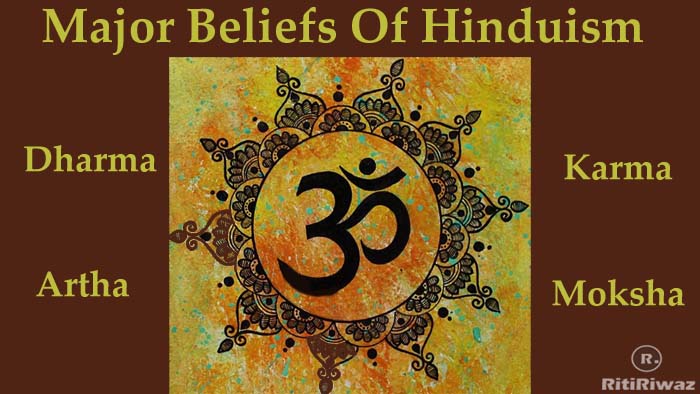
- Brahman: The ultimate reality, the divine ground of existence, from which all else emanates.
- Atman: The individual soul, an eternal, unchanging essence that resides within every living being.
- Karma: The universal law of cause and effect, which determines the consequences of an individual’s actions.
- Dharma: Righteousness, duty, or moral code that guides human behavior.
- Moksha: Liberation from the cycle of birth, death, and rebirth, the ultimate goal of Hindu spiritual practice.
Practices:
1. Worship (Puja):
- Daily rituals involving offering prayers, flowers, food, and other offerings to deities in a shrine or temple.
- Mantras (sacred sounds) and hymns are chanted to invoke the presence of the divine.
2. Meditation (Dhyana):
- The practice of focusing the mind on a specific object, such as a mantra, or simply on the breath.
- Aims to purify the mind, still the thoughts, and connect with the divine.
3. Pilgrimage (Tirtha-yatra):
- Traveling to sacred sites, such as rivers, mountains, and temples, to seek spiritual significance and blessings.
- Considered a transformative experience that cleanses sins and brings one closer to moksha.
4. Festivals:
- Celebrations marking important events in the Hindu calendar, such as Diwali (Festival of Lights), Holi (Festival of Colors), and Navratri (Worship of the Mother Goddess).
- Provide opportunities for communal worship, feasting, and dance.
5. Yoga:
- A system of physical, mental, and spiritual practices that aim to bring harmony and balance to the body, mind, and soul.
- Includes postures, breathing techniques, and meditation.
6. Fasts (Vrata):
- Observing periods of abstinence from food and water for religious purposes.
- Help to purify the body and mind, and to express devotion to a particular deity.
Diversity within Hinduism:
Hinduism is a vast and diverse tradition with multiple denominations and sects. Some key differences include:
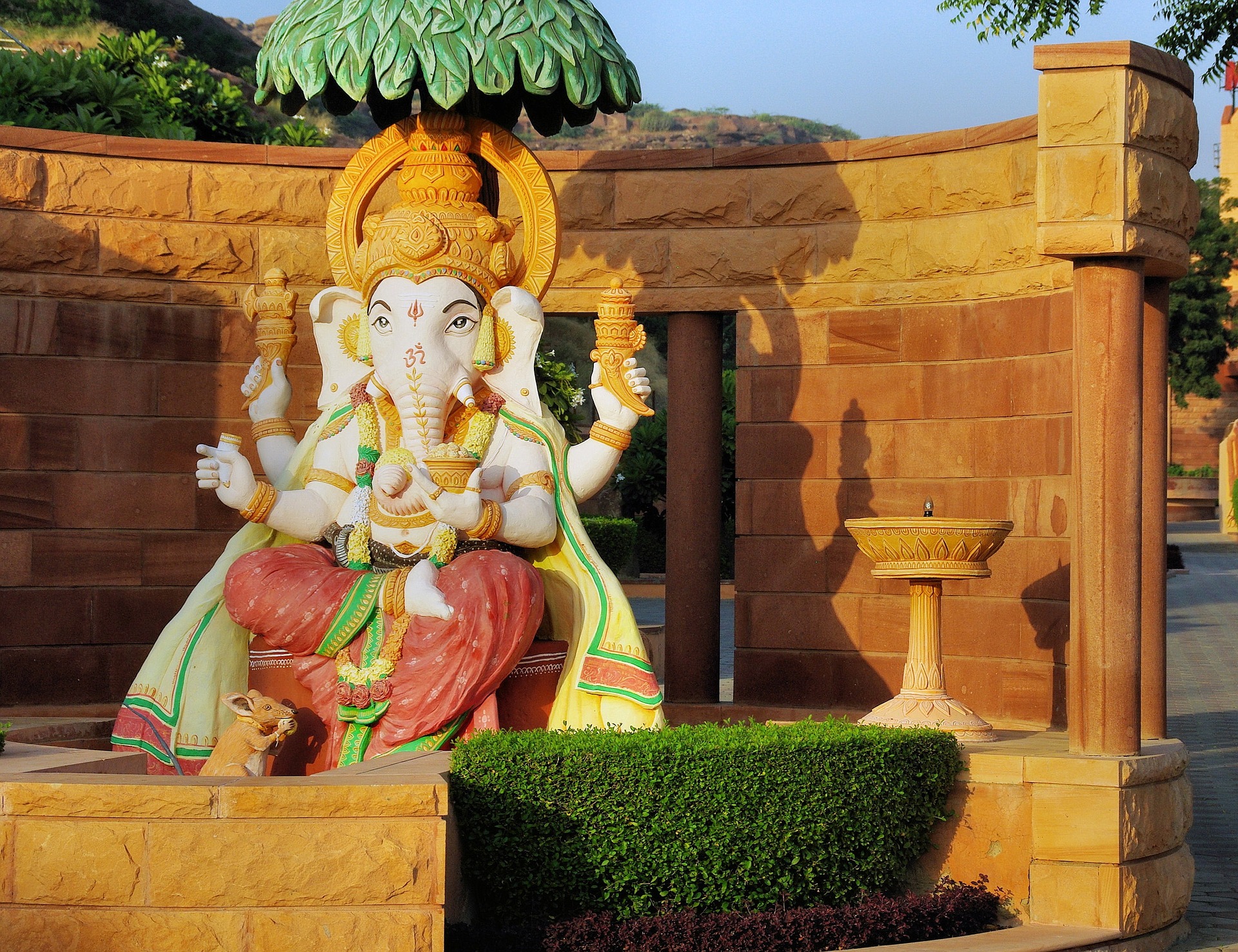
- Deities: Hindus worship a variety of gods and goddesses, including Vishnu, Shiva, Devi, and Ganesha.
- Holy Texts: The Vedas, Upanishads, Bhagavad Gita, and Ramayana are among the most important religious texts in Hinduism.
- Social Structure: Hindu society is traditionally divided into a caste system, which determines an individual’s social status and occupation.
Conclusion:
Hinduism is a rich and complex religion with a diverse set of beliefs and practices. Understanding its key concepts and practices provides a glimpse into the spiritual and cultural heritage of India and the millions of Hindus worldwide.## Hinduism For Beginners: Key Concepts And Practices Explained
Executive Summary
Hinduism is an ancient and complex religion that originated in the Indian subcontinent. It is one of the world’s oldest religions, with a history dating back more than 4,000 years. Hinduism is a diverse religion with a wide range of beliefs and practices, but it is generally characterized by its belief in reincarnation and the law of karma.
Introduction
Hinduism is the world’s third largest religion, with over 1 billion followers. It is a diverse religion with a wide range of beliefs and practices, but it is generally characterized by its belief in reincarnation and the law of karma. Hinduism is a complex religion, but it can be understood by breaking it down into its key concepts and practices.
FAQ
- What is Hinduism?
Hinduism is a religion that originated in the Indian subcontinent more than 4,000 years ago. Hinduism is a diverse religion with a wide range of beliefs and practices, but it is generally characterized by its belief in reincarnation and the law of karma.
- What are the core beliefs of Hinduism?
The core beliefs of Hinduism include the belief in reincarnation and the law of karma. Hindus believe that the soul is immortal and that it is reborn into a new body after death. The type of body that the soul is reborn into is determined by the karma that it has accumulated in its previous lives.
- What are the main practices of Hinduism?
The main practices of Hinduism include puja (worship), yoga, and meditation. Puja is the worship of the gods and goddesses of Hinduism. Yoga is a system of physical and mental exercises that is designed to help people achieve spiritual enlightenment. Meditation is a practice that helps people to focus their minds and to connect with their inner selves.
Key Concepts of Hinduism
Reincarnation
Reincarnation is the belief that the soul is immortal and that it is reborn into a new body after death. The type of body that the soul is reborn into is determined by the karma that it has accumulated in its previous lives.
-
Karma is the law of cause and effect. It is believed that every action, whether good or bad, has a corresponding reaction.
-
Moksha is the ultimate goal of Hinduism. It is a state of liberation from the cycle of reincarnation and the attainment of spiritual enlightenment.
The Vedas
The Vedas are the most sacred texts of Hinduism. They are a collection of hymns, prayers, and rituals that were composed by ancient sages. The Vedas are believed to be the eternal truths of Hinduism and they provide guidance on how to live a righteous life.
-
Brahman is the ultimate reality in Hinduism. It is the source of all creation and it is the goal of all spiritual striving.
-
Atman is the individual soul. It is a part of Brahman and it is the immortal essence of each person.
Practices of Hinduism
Puja
Puja is the worship of the gods and goddesses of Hinduism. Puja is typically performed in a temple or at home. It involves making offerings of food, flowers, and incense to the gods and goddesses.
-
Murti is a statue or image of a god or goddess. Murtis are used to represent the gods and goddesses and they are often worshipped in temples and at home.
-
Mantra is a sacred word or phrase that is repeated during puja. Mantras are believed to have spiritual power and they are used to invoke the gods and goddesses.
-
Yajna is a fire sacrifice that is performed during puja. Yajnas are used to offer food and other offerings to the gods and goddesses.
Yoga
Yoga is a system of physical and mental exercises that is designed to help people achieve spiritual enlightenment. Yoga is a broad term that encompasses a wide range of practices, but it generally involves the following:
-
Asanas are physical postures that are designed to improve flexibility and strength.
-
Pranayama is a breathing technique that is designed to control the mind and body.
-
Meditation is a practice that helps people to focus their minds and to connect with their inner selves.
Meditation
Meditation is a practice that helps people to focus their minds and to connect with their inner selves. Meditation is a broad term that encompasses a wide range of practices, but it generally involves the following:
-
Dhyana is a practice of focusing the mind on a single object or thought.
-
Samadhi is a state of deep meditation in which the mind is completely focused and the body is relaxed.
-
Jnana is a type of meditation that involves the study of sacred texts and the pursuit of knowledge.
Conclusion
Hinduism is a complex and diverse religion, but it is one that is rich in wisdom and tradition. By understanding the key concepts and practices of Hinduism, you can gain a deeper understanding of this ancient religion.
Keyword Tags
- Hinduism
- Reincarnation
- Karma
- Vedas
- Yoga
- Meditation
- Puja