Hindu Beliefs: A Journey into the Heart of India’s Spiritual Tapestry
In the heart of the Indian subcontinent, a kaleidoscope of beliefs and practices weaves a vibrant tapestry of spirituality: Hinduism. As an ancient and complex faith, Hinduism has no single founder or set of doctrines, but rather an expansive universe of ideas, rituals, and traditions that have evolved over millennia.
The Roots of Hindu Beliefs
The origins of Hinduism can be traced back to the ancient Vedic period (1500-500 BCE), when nomadic tribes from Central Asia settled in the Indus Valley. Over time, the Vedic hymns and rituals formed the foundation of Hinduism, along with the concept of karma and rebirth.
Core Beliefs of Hinduism
At the heart of Hindu beliefs lie several fundamental principles:
- Brahman: The ultimate reality, the divine ground from which all existence flows.
- Atman: The individual soul, an eternal spark of Brahman.
- Maya: The veil of illusion that separates individuals from Brahman.
- Dharma: Righteous conduct, duty, and ethical principles.
- Karma: The law of cause and effect, which determines the circumstances of an individual’s life.
- Moksha: Liberation from the cycle of rebirth and union with Brahman.
The Diversity of Hindu Practices
Hinduism is a remarkably diverse faith, with a multitude of practices and traditions that vary across different regions of India. Some of the most common practices include:
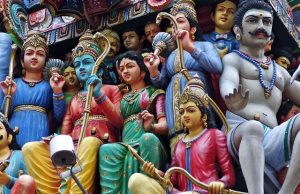
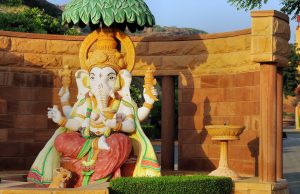
- Worship of Gods and Goddesses: Hindus revere a vast pantheon of gods and goddesses, each representing different aspects of the divine. Popular deities include Vishnu, Shiva, Lakshmi, and Durga.
- Temples and Pilgrimages: Hindus build elaborate temples to honor their gods and goddesses, and undertake pilgrimages to sacred sites such as Varanasi and Haridwar.
- Festivals and Rituals: Hinduism celebrates a myriad of festivals throughout the year, each with its own unique traditions and rituals. Diwali, Holi, and Navratri are among the most popular.
- Yoga and Meditation: Yoga, a spiritual and physical discipline, and meditation are integral parts of Hindu practice. They help individuals connect with their inner selves and experience a deeper understanding of reality.
The Impact of Hindu Beliefs
Hinduism has had a profound impact on Indian society and culture. It has influenced architecture, art, music, and literature, and has shaped the ethics and values of the Indian people.
Conclusion
Hindu beliefs are a testament to the richness and diversity of human spirituality. From its ancient origins to its vibrant present-day practices, Hinduism continues to inspire and guide millions of people in India and around the world. As you delve into the tapestry of Hindu beliefs, may you find wonder, enlightenment, and a deeper understanding of the human experience.
Secondary Keywords:
Hinduism, Hindu beliefs, Indian spirituality, Vedic period, Brahman, Atman, Maya, Dharma, Karma, Moksha, Worship of gods and goddesses, Temples and pilgrimages, Festivals and rituals, Yoga and meditation, Impact of Hindu beliefs