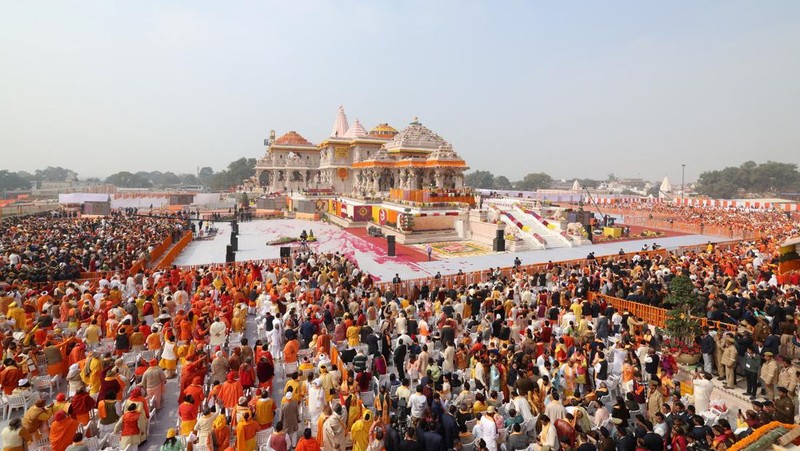
eGod.eu – The Diversity of Hindu Beliefs and Practices Across India: A Journey Through a Land of Rich Traditions. Hinduism, the world’s oldest religion, thrives on a vibrant tapestry of beliefs and practices. Unlike religions with a set doctrine, Hinduism flourishes in its diversity. Traverse the length and breadth of India, and you’ll encounter a kaleidoscope of customs, rituals, and philosophies, all woven into the rich fabric of Hindu life. This article delves into this captivating diversity, exploring how regional influences, historical developments, and personal interpretations shape the Hindu experience across the vast Indian subcontinent.
A Spectrum of Deities: Gods and Goddesses for Every Devotee
The Hindu pantheon is a star-studded sky, brimming with countless deities. While some like Brahma, Vishnu, and Shiva form a prominent trinity, regional variations introduce a plethora of local gods and goddesses. In southern India, devotees revere Muruga, the powerful warrior god, while in the west, Ganesha, the elephant-headed remover of obstacles, enjoys immense popularity. This diversity reflects the adaptability of Hinduism, allowing communities to connect with the divine through figures that resonate with their local traditions and needs.
Philosophical Highways: Exploring the Many Paths of Hinduism
Hinduism is not a monolithic belief system; it offers a spectrum of philosophical schools for its followers to navigate. Vedanta, emphasizing self-realization and the oneness of all existence, is a prominent school. In contrast, Samkhya delves into the dualistic nature of reality, separating spirit (purusha) from matter (prakriti). These schools, along with others like Yoga and Mimamsa, provide frameworks for understanding the world and one’s place within it. Individuals are free to choose the path that resonates most with their intellectual and spiritual inclinations.
The Power of Rituals: Daily Practices and Grand Celebrations
Rituals are the lifeblood of Hinduism, forming a bridge between the devotee and the divine. From the simple act of lighting a lamp before a puja (worship) to elaborate temple ceremonies, rituals permeate daily life. Regional variations abound; in Kerala, offerings are often placed on elaborately decorated banana leaves, while in Gujarat, aarti (offering of light) involves circling a flame before the deity. Grand festivals like Diwali, the festival of lights, and Dussehra, celebrating good over evil, bring communities together in vibrant displays of devotion. These rituals serve not just as acts of worship but also as social and cultural touchstones.
Read Also The Importance of Pilgrimage in Hinduism: Journeying to Sacred Sites
Languages of Faith: The Many Tongues of Hinduism
The rich tapestry of Indian languages adds another layer of diversity to Hindu beliefs and practices. Sanskrit, considered a sacred language, holds ancient scriptures like the Vedas and Upanishads. However, regional languages play a vital role in everyday worship. Bhajans (devotional songs) sung in Tamil, Bengali, or Marathi create a unique soundscape for each region. This linguistic diversity reflects the deep connection between Hinduism and the cultural tapestry of India.
The Caste System: A Complex and Evolving Social Hierarchy
The caste system, a social hierarchy based on birth, has been an enduring and complex aspect of Hinduism. While the system prescribes social roles and limitations, its interpretation and practice vary greatly across regions. Reform movements have challenged the rigidity of the caste system, and modern India strives for a more egalitarian society. However, the system’s influence is still felt in social interactions and religious practices in some parts of the country.
Folk Traditions: A Fusion of Hinduism and Local Customs
Across India, a vibrant world of folk traditions flourishes alongside mainstream Hinduism. These traditions, often rooted in animism and local deities, have blended with Hindu beliefs over centuries. In rural Bengal, worship of the tiger goddess Bonbibi coexists with devotion to Durga. Tribal communities in central India have their own unique rituals and deities. This fusion highlights the adaptability of Hinduism, allowing it to absorb and integrate local beliefs into its expansive fold.
Read Also The Philosophy of Advaita Vedanta: The Unity of the Self and the Ultimate Reality
The Role of Gurus and Ascetics: Seeking Guidance on the Spiritual Path
Hinduism emphasizes the role of gurus (spiritual teachers) who guide devotees on their spiritual journeys. Gurus offer personalized advice, interpret scriptures, and provide spiritual disciplines. Ascetics, who have renounced worldly possessions for a life of austerity, are revered for their piety and detachment. They serve as living examples of self-discipline and devotion, inspiring others on the path to moksha (liberation).
The Allure of Pilgrimage: Journeying to Sacred Sites
For many Hindus, pilgrimage is a deeply meaningful practice. Sacred sites like Varanasi on the Ganges River or the temple town of Madurai in Tamil Nadu attract millions of devotees each year. These journeys are not just about visiting temples; they represent a symbolic journey inwards, seeking self-discovery and spiritual growth. The act of pilgrimage strengthens faith, connects devotees to a larger community, and reinforces the importance of tradition.
The Modern Face of Hinduism: Adapting to a Changing World
Modern India is a land of bustling metropolises and technological advancements. This inevitably impacts how Hindus practice their faith. There’s a growing trend of reform movements reinterpreting scriptures to address contemporary issues like gender equality and social justice. Social media platforms have become a new space for spiritual discourse, with gurus and organizations reaching wider audiences online.
The Indian diaspora, with millions living across the globe, has further diversified Hindu practices. Adaptations are made to accommodate new environments. Temples in foreign countries might incorporate local architectural styles, and festivals might be celebrated with adjustments to fit different time zones or cultural norms. These adaptations showcase the inherent flexibility of Hinduism, allowing it to thrive outside its traditional homeland.
However, this modernization also presents challenges. Rapid urbanization can disrupt traditional community structures that nurtured faith. Consumerism and materialistic values can sometimes overshadow the spiritual core of Hinduism. The internet, while a valuable tool for connecting communities, can also be a breeding ground for misinformation and extremism.
Read Also 10 Avatar Of Vishnu, The Many Avatars of Lord Vishnu: From Matsya to Kalki
Conclusion
The diversity of Hindu beliefs and practices across India is a testament to its rich history, adaptability, and profound impact on the lives of millions. From the philosophical musings of ancient scriptures to the vibrant rituals of local communities, Hinduism offers a spectrum of experiences for its followers. As India continues to evolve, so too will the ways in which Hindus express their faith. Yet, the core values of self-realization, devotion to the divine, and a deep respect for all living things will likely remain the enduring pillars of this fascinating religion.