Religious Diversity: Understanding the Vibrant Tapestry of Human Beliefs
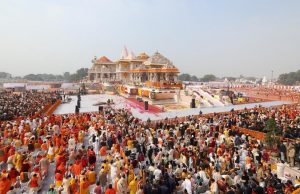
In a world where differences often divide us, religious diversity stands as a beacon of unity and understanding. From the bustling streets of Mumbai to the tranquil temples of Kyoto, the tapestry of human spirituality is woven with an astonishing array of beliefs, practices, and traditions. Embark on a journey with us as we explore the multifaceted world of religious diversity, uncovering the rich history, intriguing rituals, and profound impact it has on our collective human experience.
The Roots of Religious Diversity
The origins of religious diversity can be traced back to the earliest civilizations. As humans sought to make sense of the unknown, they created myths, legends, and spiritual practices that reflected their unique perspectives and environments. Over time, these beliefs evolved and diverged, giving rise to the multitude of religions we see today.
Major World Religions
At the heart of religious diversity lie the major world religions, each with its distinctive beliefs, practices, and followers. These religions include:
- Christianity: With over 2.4 billion followers worldwide, Christianity is the largest religion in the world. It is based on the teachings of Jesus Christ and emphasizes love, forgiveness, and salvation.
- Islam: With approximately 1.9 billion adherents, Islam is the second-largest religion. It is founded on the teachings of the Prophet Muhammad and emphasizes monotheism, submission to God, and social justice.
- Hinduism: Hinduism, with over 1.2 billion followers, is one of the oldest religions in the world. It is a collection of diverse beliefs and practices that emphasize reincarnation, karma, and the pursuit of spiritual liberation.
- Buddhism: Originating in India, Buddhism has over 535 million followers worldwide. It is based on the teachings of Siddhartha Gautama, also known as the Buddha, and emphasizes mindfulness, compassion, and enlightenment.
- Judaism: Judaism, with approximately 14.6 million adherents, is the oldest monotheistic religion. It is based on the teachings of the Torah and emphasizes the covenant between God and the Jewish people.
Benefits of Religious Diversity
In a world often torn apart by conflict, religious diversity can be a catalyst for peace and understanding. It promotes:
- Tolerance: By exposing us to different perspectives, religious diversity fosters tolerance and acceptance of other beliefs.
- Dialogue: Interfaith dialogue can bridge divides and create opportunities for cooperation and collaboration.
- Cultural Enrichment: Religious diversity enriches societies by introducing new customs, festivals, and art forms.
- Historical Preservation: Religious traditions preserve historical knowledge, values, and cultural practices.
Challenges of Religious Diversity
While religious diversity offers numerous benefits, it can also pose challenges, including:
- Conflict: Differing beliefs can sometimes lead to conflict and violence, as people struggle to reconcile their own beliefs with those of others.
- Discrimination: Religious minorities may face discrimination or persecution, which can hinder their ability to practice their faith freely.
- Secularization: In some parts of the world, secularization is on the rise, leading to a decline in religious affiliation and a potential loss of religious diversity.
Conclusion
Religious diversity is a complex and multifaceted phenomenon that has shaped human history for centuries. It is a testament to the ingenuity, creativity, and spirituality of our species. By embracing and celebrating religious diversity, we can create a more inclusive and harmonious world where all beliefs are respected and valued.
Secondary Keywords
Religious diversity, Hinduism, India, Beliefs, Practices, Traditions