Unveiling the Dark Side: The Complexities of Demons in Hindu Mythology
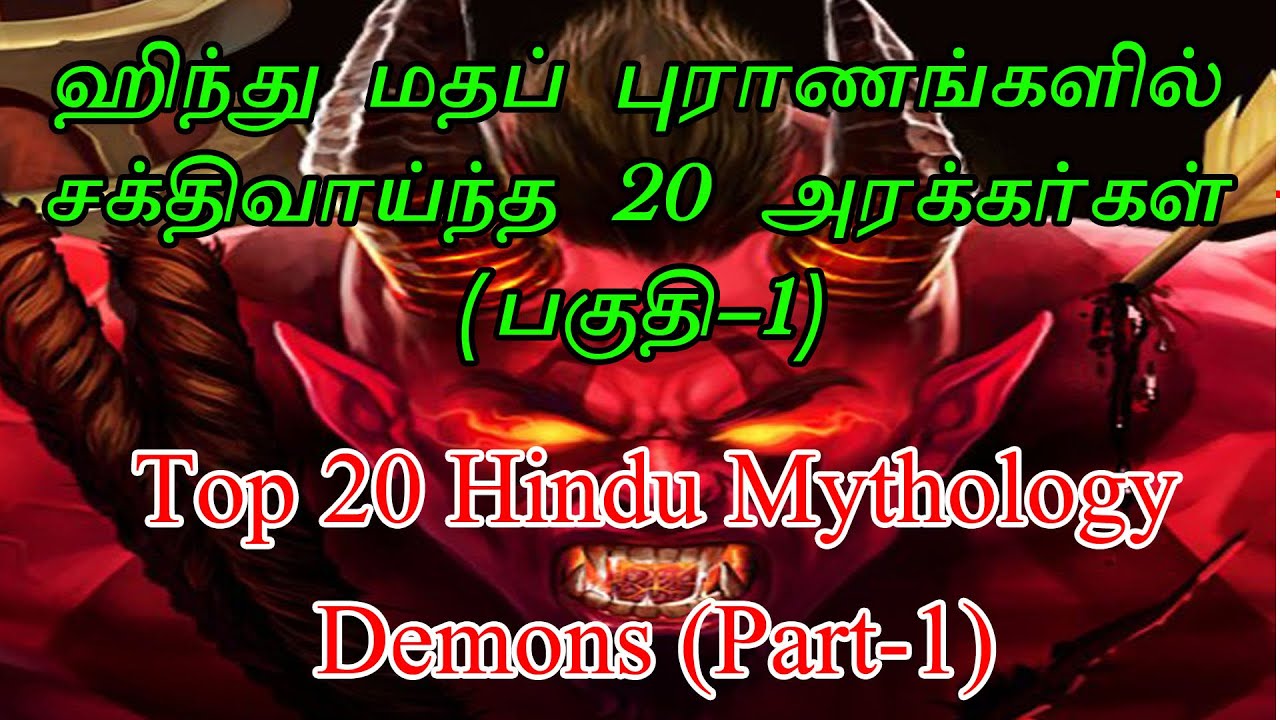
In Hindu mythology, the enigmatic realm of demons, known as Asuras, holds a fascinating and multifaceted allure. These extraordinary beings represent the forces of chaos and darkness, embodying the antithesis of the divine. Despite their often malevolent nature, demons possess a surprising degree of complexity, defying simplistic categorization.
Origins and Nature
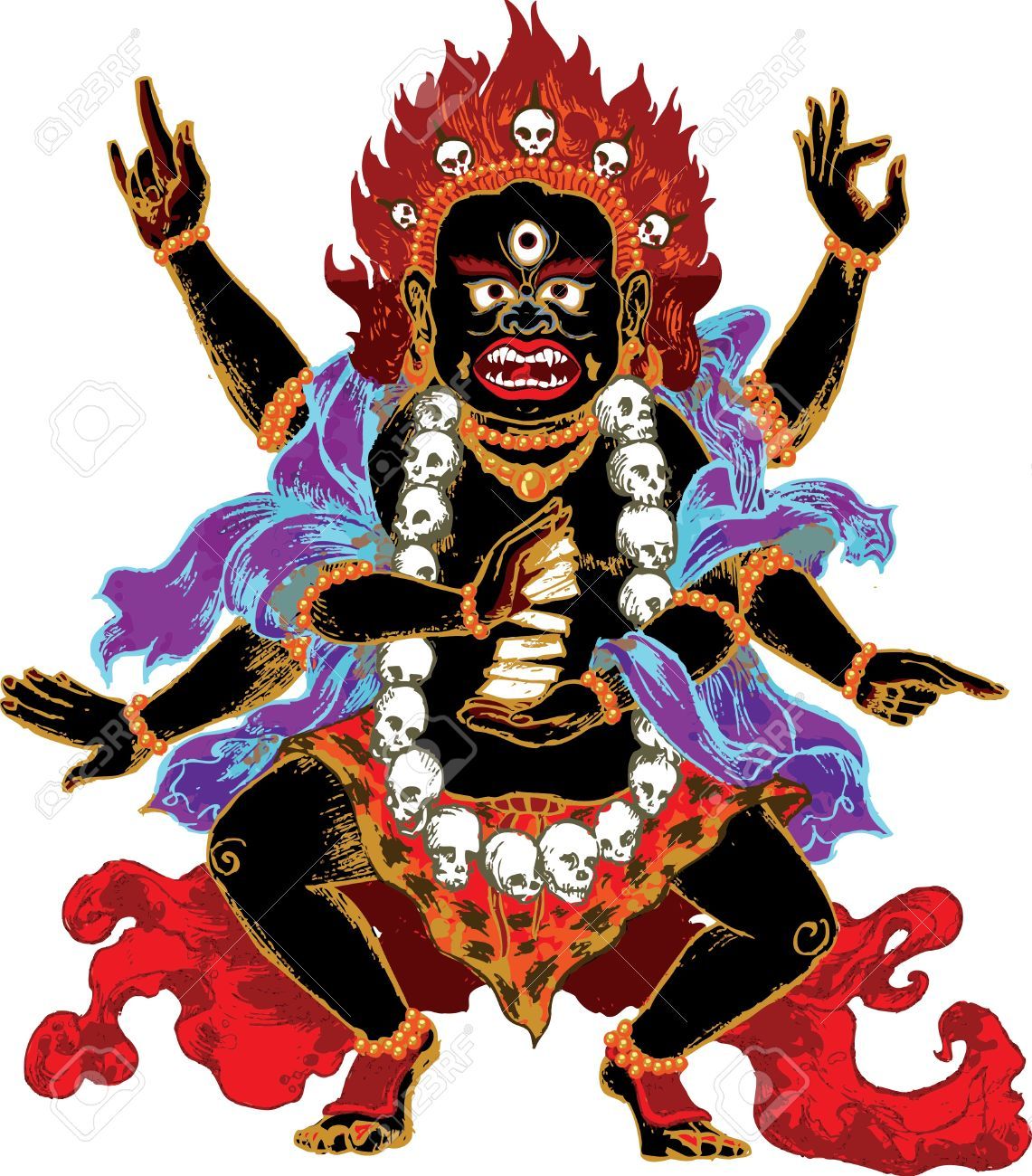
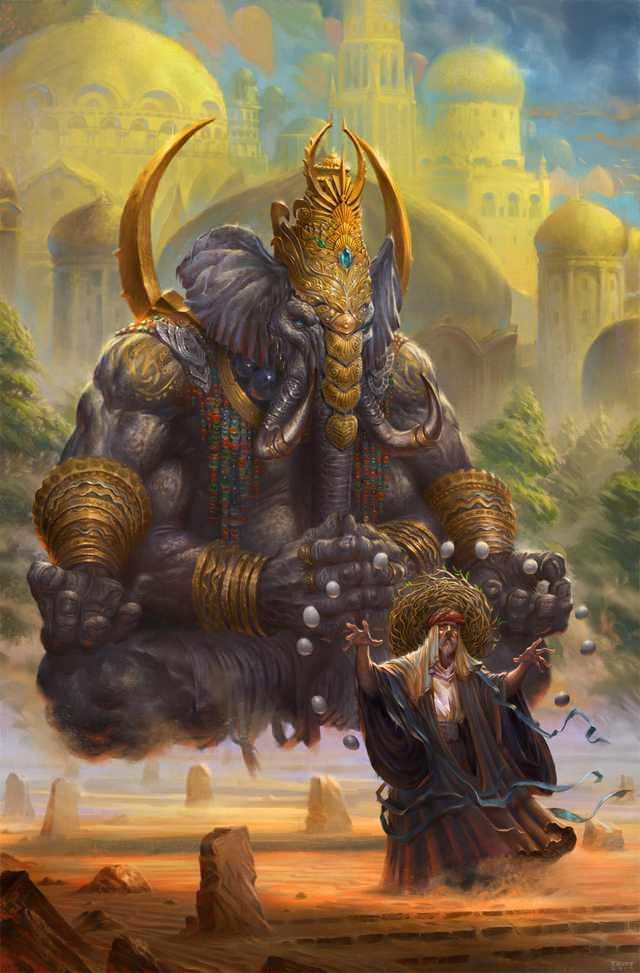
According to Hindu texts, Asuras originated from the churning of the Cosmic Ocean by the gods and demons. They are depicted as powerful, often possessing supernatural abilities. Their physical appearance varies greatly, from grotesque and monstrous to ethereal and alluring.
Classification and Hierarchy
The Asura realm is a highly structured society with a complex hierarchy. The most prominent Asuras include the Daityas, led by Hiranyakashipu, and the Danavas, headed by Bali. Each group possesses its own unique characteristics and motivations.
Moral Ambiguity
While Asuras are generally portrayed as evil, they are not inherently so. Many Asuras possess admirable qualities, such as courage, honor, and loyalty. They often clash with the gods not out of malice but in the pursuit of power or justice.
Examples of Notable Demons
Hiranyakashipu: The arch-demon who attempted to kill his son Prahlad, an ardent devotee of Vishnu.
Rahu: The demon who stole the nectar of immortality, causing the separation of the sun and moon.
Vritra: The serpent-demon who obstructed the flow of the Indus River, threatening to drown the world.
Symbolism and Significance
As opposed to mere representations of evil, demons in Hindu mythology symbolize a broader spectrum of concepts:
- Internal Conflicts: Demons represent the inner struggles and vices that reside within us.
- Cosmic Balance: The conflict between gods and demons reflects the eternal struggle between good and evil.
- Nature’s Power: Demons embody the destructive forces of nature, such as storms, floods, and earthquakes.
- Psychological Archetypes: They represent the shadow aspects of human nature, such as aggression, envy, and greed.
Depictions in Art and Literature
Demons have been portrayed vividly in Hindu art and literature for centuries. They are often depicted as grotesque and fearsome creatures, but some depictions also highlight their complex and sympathetic qualities.
Conclusion
The complexities of demons in Hindu mythology defy simple definitions. They are not merely evil characters but embody a range of human and natural phenomena. By exploring the multifaceted nature of Asuras, we gain a deeper understanding of the delicate balance between good and evil, darkness and light.