Mantras: The Power of Chanting in Hinduism
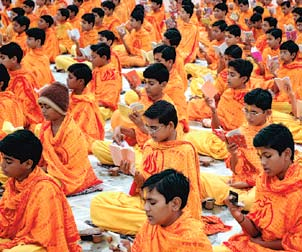
Mantras are sacred utterances that have been used for centuries in Hinduism for spiritual purification, protection, and enlightenment. These chants are believed to have powerful vibrations that can influence the mind, body, and surroundings.
What is a Mantra?
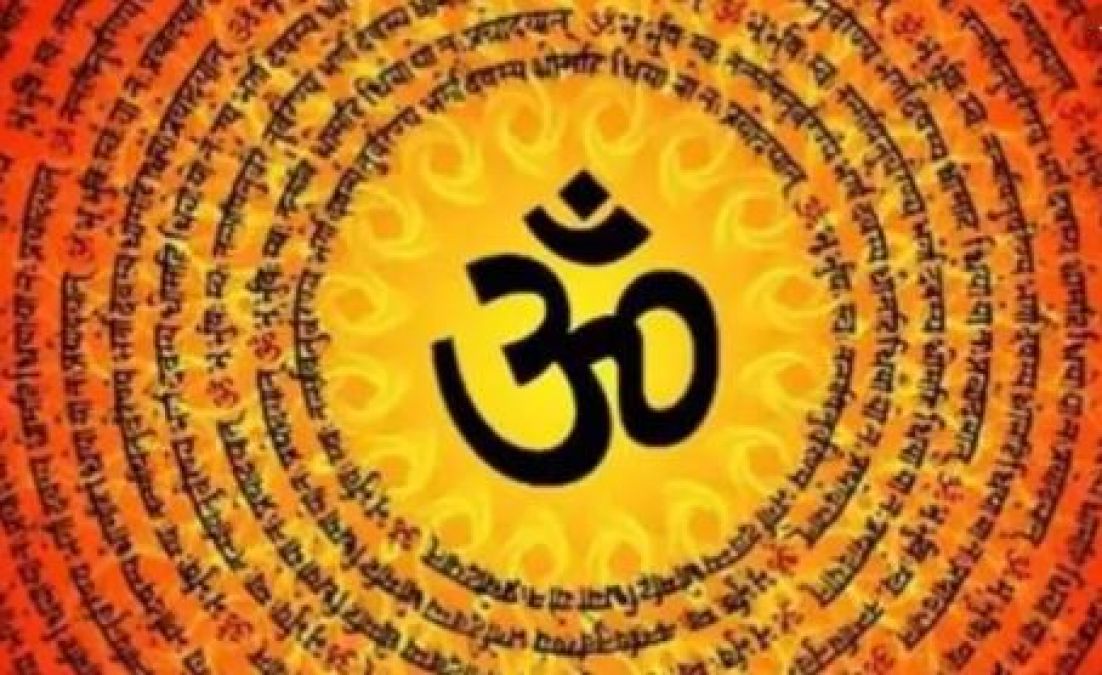
A mantra is a syllable, word, or phrase that is repeated multiple times during meditation or prayer. Mantras can be in Sanskrit, the ancient language of Hinduism, or in any other language that has spiritual significance to the practitioner.
How Do Mantras Work?
When a mantra is chanted, it creates vibrations that resonate with the chakras, or energy centers, in the body. These vibrations help to remove blockages, balance emotions, and promote spiritual awareness. Mantras also connect the practitioner with divine forces and can help to manifest desired intentions.
Types of Mantras
There are many different types of mantras, each with its own purpose and power. Some common mantras include:
- Om: The primordial sound that represents the universe and the divine
- Gayatri Mantra: A powerful mantra that is chanted for protection and enlightenment
- Om Namah Shivaya: A mantra dedicated to Lord Shiva, the destroyer of ignorance
- Lokah Samastah Sukhino Bhavantu: A mantra that promotes peace and happiness for all beings
How to Chant Mantras
Chanting mantras is a simple yet powerful practice that can be done anywhere and anytime. Here are some tips for chanting mantras:
- Choose a mantra that resonates with you and your intentions.
- Find a comfortable place to sit or stand with your spine straight.
- Close your eyes and focus on your breath.
- Begin chanting the mantra out loud or silently.
- Repeat the mantra as many times as you feel guided.
- Allow the vibrations of the mantra to fill your body and mind.
Benefits of Chanting Mantras
Regularly chanting mantras can have numerous benefits, including:
- Reduced stress and anxiety
- Increased concentration and focus
- Improved sleep quality
- Enhanced intuition and spiritual awareness
- Manifestation of desired intentions
- Protection from negative energies
- Deepened connection with the divine
Conclusion
Mantras are a powerful tool for spiritual growth and transformation. By chanting mantras regularly, you can connect with your inner self, manifest your intentions, and experience the profound benefits of this ancient practice.## Mantras: The Power Of Chanting In Hinduism – How Chants Can Enhance Your Life
Executive Summary
Mantras are sacred utterances or phrases in Hinduism that are believed to possess spiritual power and transformative effects. Chanting mantras is a central practice in Hindu religious ceremonies and personal spiritual routines. This article explores the significance of mantras in Hinduism, discussing their origins, types, benefits, and how they can enhance one’s life through physical, mental, and spiritual well-being.
Introduction
Mantras are considered sacred and potent in Hinduism, with their origins traced back to ancient Vedic scriptures. They are believed to embody the essence of divine energies and deities, carrying vibrational frequencies that resonate with the inner self. Chanting mantras is a practice that has been revered for centuries and is widely practiced in Hindu traditions and spiritual communities around the world.
FAQ
Q: What is the purpose of chanting mantras?
A: Chanting mantras is primarily used for spiritual purification, personal transformation, and connection with the divine. It can induce a state of tranquility, alleviate stress, and promote overall well-being.
Q: How do mantras work?
A: Mantras are believed to emit specific vibrations that resonate with the subtle energy centers within the body. Through repetition, these vibrations align with the individual’s energetic field, creating a transformative effect.
Q: Can anyone chant mantras?
A: Yes, mantras are accessible to all, regardless of religious affiliation or spiritual background. Chanting mantras is a simple yet profound practice that can be incorporated into daily routines or as part of meditation practices.
Origins of Mantras
Mantras have their roots in the ancient Vedic texts, particularly the four Vedas: Rigveda, Yajurveda, Samaveda, and Atharvaveda. These sacred hymns contain a vast collection of mantras that are believed to have been revealed to sages and rishis through divine inspiration.
Types of Mantras
There are numerous types of mantras in Hinduism, each with its own specific purpose and significance. Some common examples include:
- Vedic Mantras: Chants derived from the Vedas, considered the oldest and most sacred mantras.
- Tantra Mantras: Mantras used in tantric practices, emphasizing the use of specific visualizations and rituals.
- Stotra Mantras: Hymns or prayers addressed to specific deities or aspects of the divine.
- Bija Mantras: Seed mantras composed of a single syllable, representing the essence of a particular deity or concept.
- Gayatri Mantra: A universal prayer addressed to the sun, considered one of the most important mantras in Hinduism.
Benefits of Chanting Mantras
Regular chanting of mantras offers numerous benefits for physical, mental, and spiritual well-being, including:
- Stress Reduction: Mantras have been shown to reduce stress and anxiety levels through their calming and soothing effects.
- Improved Focus: Chanting mantras requires concentration, which can enhance focus and reduce distractions.
- Enhanced Sleep: Mantras can promote relaxation and induce sleep when chanted before bedtime.
- Emotional Healing: Chanting mantras can help process and release negative emotions, fostering emotional balance.
- Spiritual Connection: Reciting mantras fosters a connection with the divine, leading to a sense of peace and inner harmony.
How to Chant Mantras
Chanting mantras is a simple practice that can be done anywhere and at any time. Here are some guidelines for effective chanting:
- Choose a Mantra: Select a mantra that resonates with you or aligns with your specific intention.
- Concentration: Focus your attention on the mantra, repeating it clearly and with intention.
- Repetition: Repeat the mantra multiple times, using a mala (prayer beads) if desired.
- Vibration: Allow the vibrations of the mantra to resonate within your body and mind.
- Devotion: Chant with a sense of devotion and surrender, offering the mantra as a form of prayer or meditation.
Conclusion
Chanting mantras is a powerful practice that has been revered in Hinduism for centuries. By incorporating mantras into our daily lives, we can tap into their transformative potential, promoting physical, mental, and spiritual well-being. The vibrations of these sacred utterances align us with our inner selves, fostering a sense of peace, harmony, and connection with the divine.
Keyword Tags
- Hindu Mantras
- Power of Chanting
- Vedic Mantras
- Mantra Benefits
- Spiritual Transformation