The Hindu Concept of Karma: Understanding the Law of Cause and Effect
Introduction
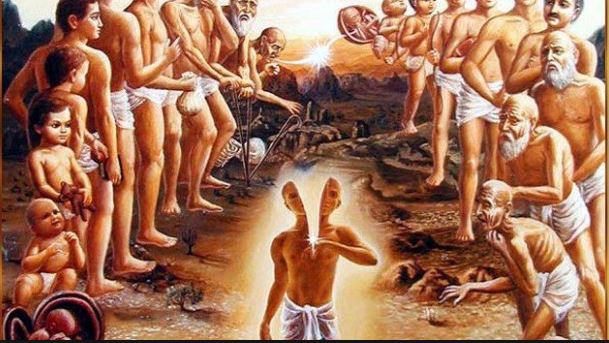
Karma is a fundamental concept in Hinduism, representing the law of cause and effect. It postulates that every action, thought, and word creates an imprint on an individual’s soul, shaping their destiny in the present life and beyond. By understanding the principles of karma, individuals can strive for a virtuous life and experience its positive consequences.
The Law of Cause and Effect
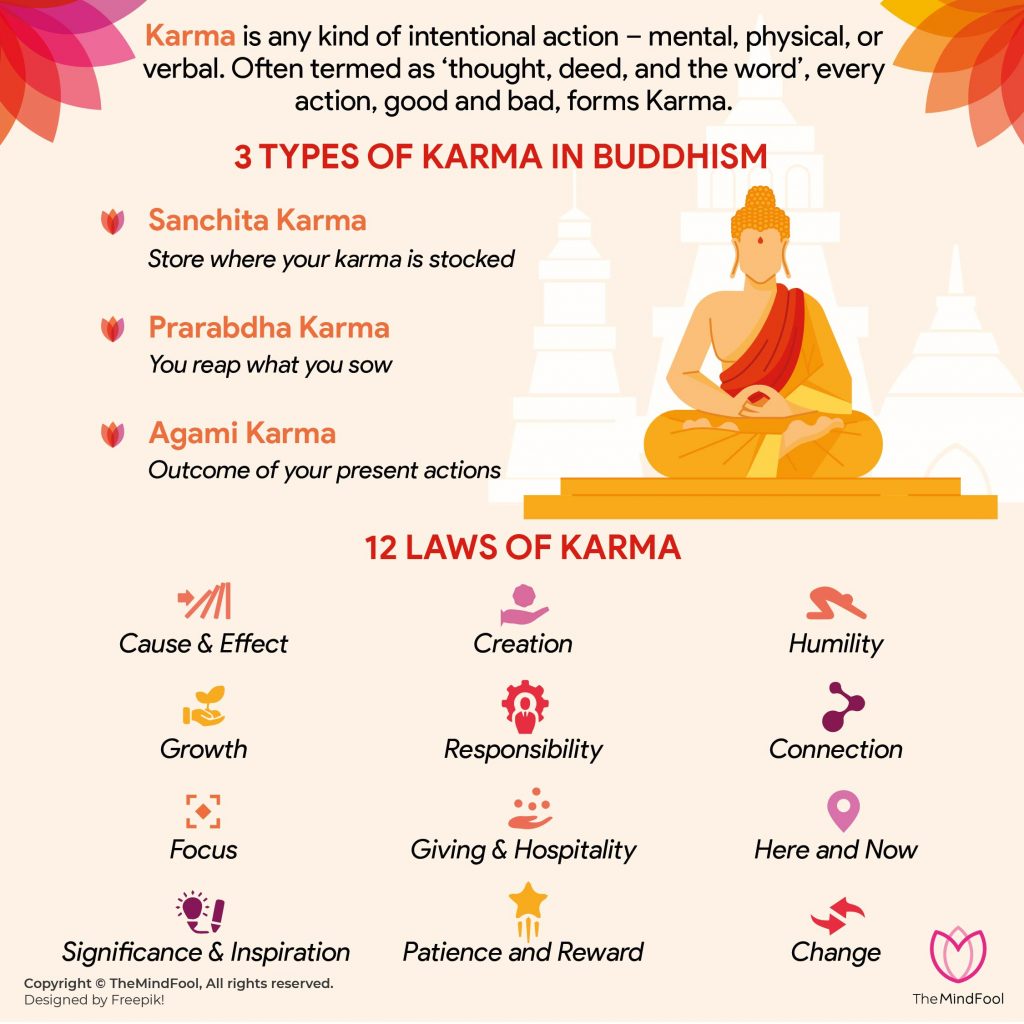
At the core of the concept of karma lies the belief that every action has an equal and opposite reaction. This is not merely a physical law but also a spiritual one. Every intentional or unintentional action, whether positive or negative, creates a karmic debt that must be repaid. The type and severity of the consequences will vary depending on the nature of the action.
Types of Karma
Karma can be categorized into three types:
- Sanchita Karma: Accumulated karma from past lives that determines an individual’s present circumstances.
- Prarabdha Karma: The portion of accumulated karma that manifests in the current life.
- Kriyamana Karma: The actions and decisions made in the present life that shape future experiences.
The Role of Intentions
Intentions play a crucial role in determining the karmic weight of an action. An action performed with a pure and noble intention will generate positive karma, while an action motivated by greed, hatred, or ignorance will create negative karma. Even thoughts and desires can create karmic imprints, as they hold the seeds for future actions.
Consequences of Karma
The consequences of karma can manifest in various forms during an individual’s lifetime or in subsequent births. Positive karma can lead to happiness, success, and fulfillment. Negative karma, on the other hand, can result in suffering, obstacles, and setbacks. Karma is a continuous process, and the effects of an action can be felt over multiple lifetimes.
The Path to Liberation
The ultimate goal of Hindu philosophy is liberation from the cycle of birth, death, and rebirth (samsara). This can be achieved by purifying one’s karma through virtuous actions, self-inquiry, and spiritual practices. Selfless service, compassion, and non-violence are considered to be powerful means of accumulating positive karma.
Practical Application
Understanding the principles of karma can guide individuals in making ethical and compassionate choices. It encourages responsibility for one’s actions and promotes a mindful approach to life. By cultivating positive karma, individuals can work towards a fulfilling and meaningful existence both in the present and in the future.
Conclusion
The Hindu concept of karma is a complex and multifaceted belief system that emphasizes the interconnectedness of actions and consequences. Through understanding the law of cause and effect, individuals can strive for a virtuous life, repay their karmic debts, and ultimately achieve spiritual liberation.## The Hindu Concept Of Karma: Understanding The Law Of Cause And Effect
The notion of karma, ingrained in Hindu philosophy, encapsulates the profound idea that every action, whether physical or mental, carries a corresponding reaction. This cosmic principle governs the cycle of existence, shaping our destinies and determining our future experiences. Karma, derived from the Sanskrit word “kri,” meaning “to do,” is not merely about retribution or punishment but rather a profound law of cause and effect that guides our journey through life.
Executive Summary
The Hindu concept of karma asserts that intentional actions, both good and bad, have consequences that shape our present and future lives. Karma operates through the accumulation of karmic debts and merits, influencing our rebirth and the circumstances we experience. By understanding the intricacies of karma, individuals can consciously guide their actions and cultivate positive outcomes.
Introduction
The concept of karma is central to the Hindu faith, deeply influencing the beliefs, values, and practices of its adherents. Rooted in the ancient Vedas, the sacred scriptures of Hinduism, karma is regarded as a fundamental truth that governs the cycle of birth, death, and rebirth. This intricate law of cause and effect permeates every aspect of human existence, dictating not only our present experiences but also our future paths.
FAQ
1. What is karma, and how does it work?
Karma is the principle of cause and effect, where every action, thought, or deed has a corresponding reaction. It operates through the accumulation of karmic debts and merits, which influence our rebirth and the circumstances we experience.
2. Is karma a form of punishment?
Karma is not primarily about retribution but rather a process of learning and evolution. It provides opportunities for individuals to confront the consequences of their actions and make amends for past mistakes.
3. Can we change our karma?
While the consequences of past actions cannot be erased, our present actions can shape our future karma. By cultivating positive thoughts, speech, and deeds, we can accumulate positive karma and mitigate the effects of negative karma.
Subtopics
The Law Of Karma
- Intentional Actions: Karma is primarily concerned with intentional actions, rather than unintentional ones or those committed under duress.
- Consequences of Actions: Every action has a corresponding reaction, either positive or negative, that will manifest in our lives.
- Collective Karma: Karma is not limited to individual actions; it also encompasses collective actions and their consequences for groups or societies.
- Sanchita Karma: The accumulated karma from past lives that shapes our present circumstances.
- Prarabdha Karma: The portion of sanchita karma that is currently being experienced in this life.
Types Of Karma
- Sanchita Karma: Accumulated karma from past lives that awaits fruition.
- Prarabdha Karma: Karma that is currently being experienced in this life.
- Kriyamana Karma: Actions performed in the present that will shape future karma.
- Dridha Karma: Intense or strong karma that has a significant impact on our lives.
- Lagghu Karma: Minor or inconsequential karma that has a lesser impact.
The Cycle Of Reincarnation
- Birth and Death: Karma determines the circumstances of our birth and death, as well as the experiences we encounter in between.
- Karmic Debts: Negative actions create karmic debts that must be repaid through difficult experiences or suffering.
- Karmic Merits: Positive actions accumulate karmic merits, leading to favorable circumstances and happiness.
- Moksha: The ultimate goal of the cycle of reincarnation is liberation from karma and the attainment of moksha, a state of spiritual enlightenment and freedom.
- The Role of Karma in Spiritual Evolution: Karma provides opportunities for growth and learning, guiding us towards spiritual realization.
Balancing Karma
- Repentance and Atonement: Acknowledging and making amends for past mistakes can help mitigate negative karma.
- Positive Actions: Engaging in virtuous deeds, such as charity, kindness, and service, accumulates positive karma.
- Forgiveness: Granting forgiveness to ourselves and others can help dissolve negative karma.
- Meditation and Self-Reflection: Practices like meditation and self-reflection promote awareness of our actions and their karmic implications.
- Surrender to Divine Will: Accepting the consequences of our actions and surrendering to the divine plan can help us transcend the ego’s attachment to karma.
Conclusion
The Hindu concept of karma is a profound and multifaceted principle that shapes our understanding of life’s complexities. By embracing the law of cause and effect, we gain a sense of responsibility for our actions and the power to shape our destinies. Karma teaches us the importance of cultivating positive thoughts, words, and deeds, recognizing that every choice we make has a ripple effect that extends beyond our immediate circumstances. By striving to live in harmony with the principles of karma, we not only mitigate negative consequences but also cultivate inner peace, compassion, and spiritual growth.
Keyword Tags
- Karma
- Law of Cause and Effect
- Reincarnation
- Hindu Philosophy
- Spiritual Evolution