eGod.eu – Why Hindu Gods Have Now Stopped Incarnation? In Hinduism, the concept of divine incarnation is central to the religion’s beliefs. According to Hindu mythology, the gods incarnate on earth in various forms to restore balance and order to the universe, to protect the righteous and punish the wicked, and to guide human beings on the path of righteousness and spirituality.
However, it is believed that the era of divine incarnation has come to an end with the birth of Lord Krishna, who is considered to be the last and complete incarnation of Lord Vishnu.
In Hinduism, it is believed that Lord Krishna appeared on earth in the Dwapara Yuga, which is the third of the four Yugas or ages in Hindu cosmology. It is said that Lord Krishna’s incarnation marked the completion of the cycle of divine incarnations, and that there will be no more incarnations of the gods on earth until the end of the current cosmic cycle.
However, it is important to note that different sects and schools of Hinduism may have different interpretations of the concept of divine incarnation and its role in the religion’s beliefs and practices.
9 Avatar of Vishnu
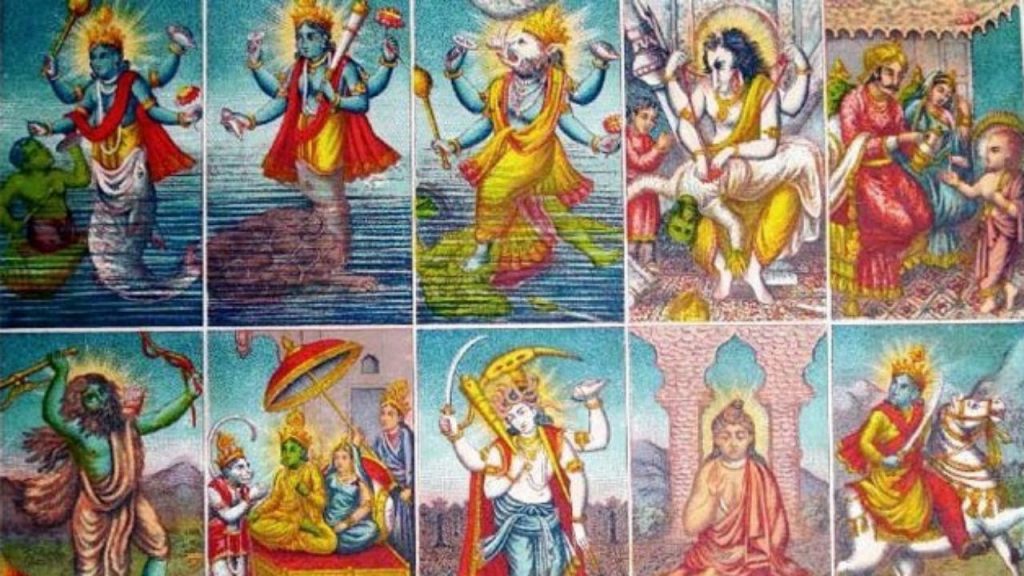
In Hinduism, an avatar refers to the manifestation of a god or goddess on earth in a physical form. Avatars are believed to appear on earth to restore balance and order to the universe, to protect the righteous and punish the wicked, and to guide human beings on the path of righteousness and spirituality.
According to Hindu mythology, Lord Vishnu, one of the main gods in Hinduism, is believed to have appeared on earth in ten different forms or avatars. These avatars are:
- Matsya (the fish)
- Kurma (the tortoise)
- Varaha (the boar)
- Narasimha (the man-lion)
- Vamana (the dwarf)
- Parashurama (the warrior-saint)
- Rama (the king-warrior)
- Krishna (the cowherd)
- Buddha (the enlightened one)
- Kalki (the warrior on a white horse, yet to appear)
Each of these avatars is associated with a specific purpose and is believed to have appeared on earth in response to a specific challenge or crisis.
Overall, the concept of an avatar is an important aspect of Hinduism and reflects the religion’s belief in the cyclical nature of the universe, the interconnection between the divine and the mortal, and the possibility of spiritual transformation and transcendence.
Avatar of Shiva
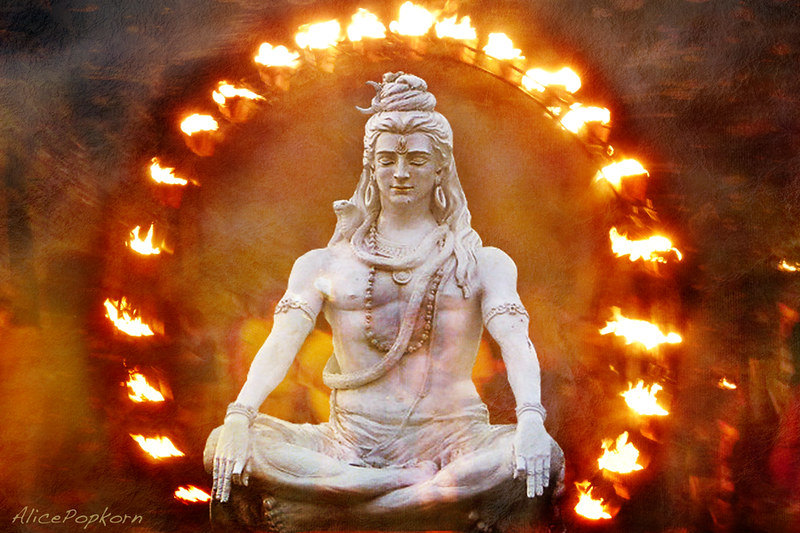
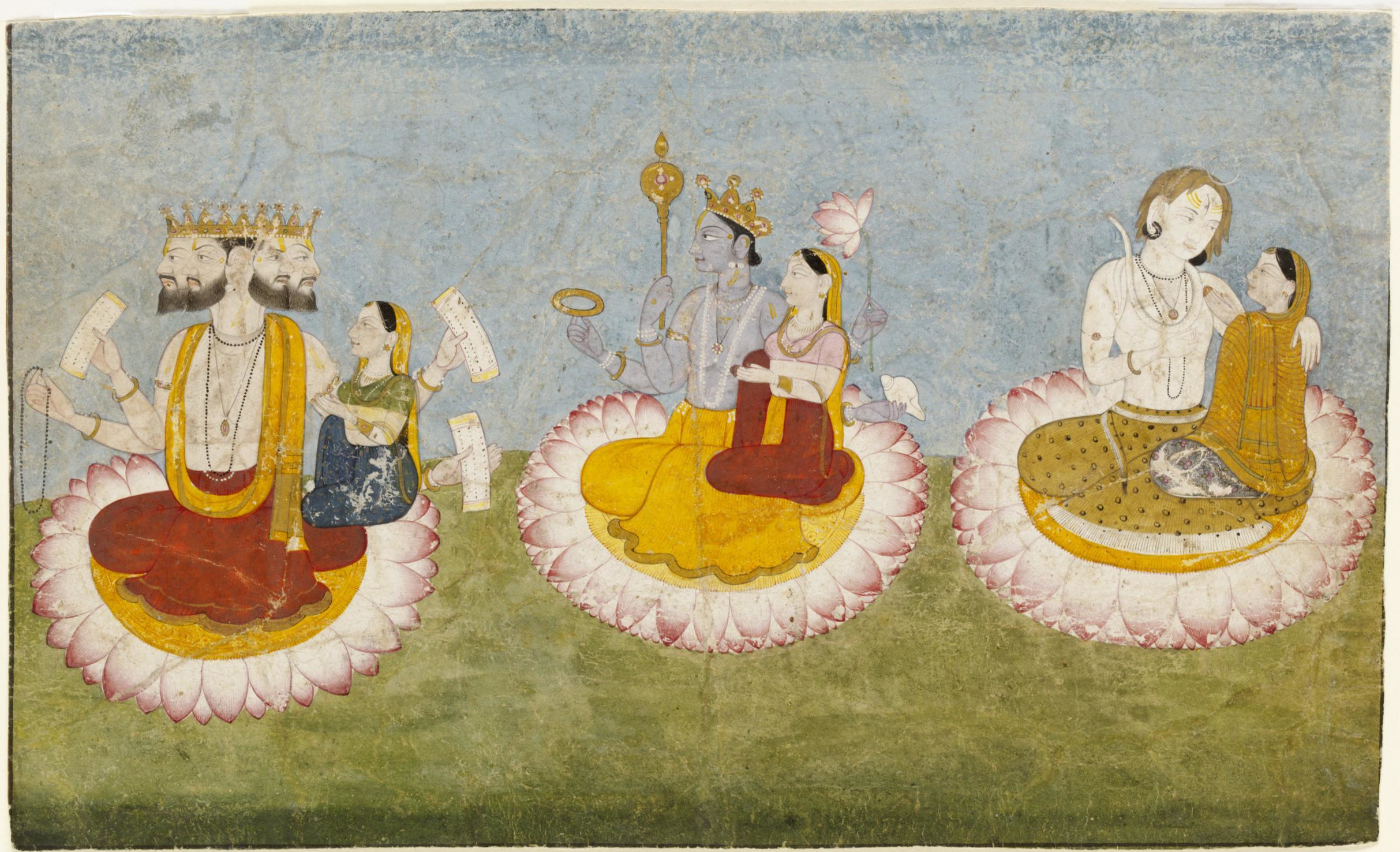
In Hinduism, Lord Shiva is one of the three main gods, along with Brahma and Vishnu. While Lord Vishnu is known for his ten avatars or incarnations, Lord Shiva is traditionally not associated with any specific avatars.
However, there are stories in Hindu mythology that describe various forms or manifestations of Lord Shiva, known as his “rudras” or “incarnations” in certain traditions. Some of these incarnations include:
- Bhairava – a fierce form of Shiva associated with destruction and time
- Ardhanarishvara – a form of Shiva that is half-male and half-female, representing the union of masculine and feminine energies in the universe
- Nataraja – a form of Shiva as the cosmic dancer, representing the rhythmic flow of the universe and the cycles of creation and destruction
- Pashupati – a form of Shiva as the lord of all creatures, associated with the protection of animals and nature
- Dakshinamurthy – a form of Shiva as the divine teacher, associated with wisdom, knowledge, and enlightenment
Overall, while Lord Shiva is not typically associated with a specific set of avatars like Lord Vishnu, the different forms and manifestations of Shiva in Hindu mythology reflect the multifaceted nature of the god and his importance in the religion’s beliefs and practices.
Avatar of Laxmi
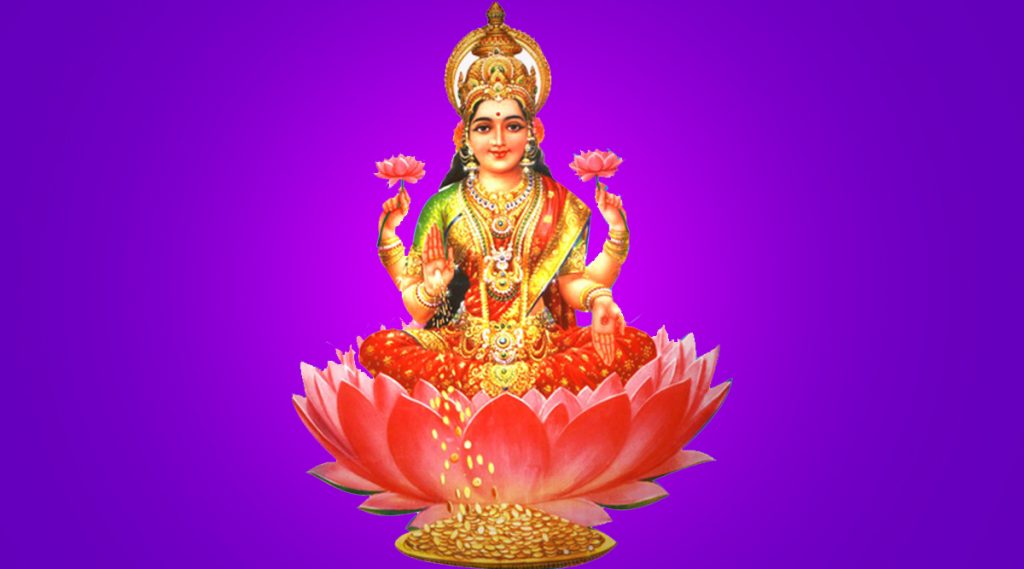
In Hinduism, Lakshmi is the goddess of wealth, prosperity, and good fortune. While she is not traditionally associated with specific avatars like Vishnu, there are several stories in Hindu mythology that describe different forms or manifestations of Lakshmi.
Here are some examples of Lakshmi’s incarnations or forms:
- Mahalakshmi: This is the most well-known form of Lakshmi, and is often depicted as a beautiful woman with four arms, holding a lotus flower, a conch shell, a pot of gold, and a mace. Mahalakshmi is the goddess of wealth, prosperity, and good fortune, and is often worshipped by people seeking material blessings.
- Ashta Lakshmi: In this form, Lakshmi is worshipped in eight different aspects, each of which represents a different form of wealth or good fortune. These aspects include wealth, courage, education, progeny, food, health, prosperity, and happiness.
- Sri Devi: This is another form of Lakshmi, who is worshipped as the consort of Lord Vishnu. In this form, Lakshmi represents the feminine energy or shakti that complements Vishnu’s masculine energy.
- Chanchala Lakshmi: This form of Lakshmi is associated with the idea that wealth is not permanent, and can come and go like the tide. Chanchala Lakshmi is often depicted as a young girl, indicating the idea that wealth is fleeting and must be enjoyed in the present moment.
Overall, while Lakshmi is not traditionally associated with a specific set of avatars like Vishnu, the stories of her various forms and manifestations reflect the goddess’s importance in the religion’s beliefs and practices, particularly in relation to wealth, prosperity, and good fortune.
Avatar of Shakti
- Durga: Durga is often depicted as a fierce warrior goddess, riding a lion or tiger and wielding weapons in her many arms. She is believed to have been created by the combined energy of the gods in order to defeat the demon Mahishasura.
- Kali: Kali is another fierce goddess, often depicted with a dark complexion and a necklace of severed heads. She is associated with destruction, time, and the cycles of creation and destruction.
- Parvati: Parvati is the consort of Lord Shiva and is often depicted as a gentle and nurturing goddess, representing the power of love, devotion, and fertility.
- Saraswati: Saraswati is the goddess of knowledge, learning, and the arts. She is often depicted with four arms, holding a book, a rosary, a water pot, and a musical instrument.
- Radha: Radha is the beloved of Lord Krishna and is often worshipped as a goddess in her own right. She represents the power of devotion and divine love.
Overall, the many goddesses of Hinduism are believed to be avatars or manifestations of the divine feminine energy or power known as Shakti. Each goddess represents a different aspect of this energy, and is worshipped by devotees seeking her particular blessings or qualities.