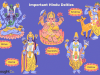
====== Incarnation ======
Incarnation is a religious concept that refers to the act of a deity or other divine being taking on a physical form in order to interact with the world. In Hinduism, the concept of incarnation is closely associated with the idea of avatars, which are divine beings who descend to Earth to perform a specific task or mission.
The concept of incarnation is found in many different religions and cultures around the world. In some cases, incarnation is seen as a way for a deity to become more accessible to their followers. In other cases, it is seen as a way for a deity to directly intervene in the affairs of the world.
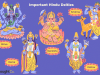
In Hinduism, the concept of incarnation is particularly important. Hindus believe that the gods and goddesses have incarnated on Earth many times throughout history. Each incarnation is said to have a specific purpose, and the gods and goddesses often take on different forms to fulfill their missions.
One of the most well-known examples of an incarnation in Hinduism is the story of Krishna. Krishna is said to be an incarnation of the god Vishnu, and he descended to Earth to restore order and righteousness to the world. Krishna’s incarnation is said to have occurred around 5,000 years ago, and he is still worshipped by Hindus today.
Another well-known example of an incarnation in Hinduism is the story of Rama. Rama is said to be an incarnation of the god Vishnu, and he descended to Earth to defeat the demon king Ravana. Rama’s incarnation is said to have occurred around 7,000 years ago, and he is still worshipped by Hindus today.
The concept of incarnation is a complex one, and there is no single definitive explanation for why it is so important in Hinduism. However, the concept of incarnation provides a way for Hindus to connect with their gods and goddesses on a personal level. It also provides a way for Hindus to understand the divine in a way that is both meaningful and accessible.
Why Hindu Gods Have Now Stopped Incarnation
There are a number of reasons why Hindu gods may have now stopped incarnating. One reason is that the world has changed significantly since the last time a major incarnation occurred. The world is now more technologically advanced, and people are more educated than ever before. This means that people are less likely to believe in the need for divine intervention.
Another reason why Hindu gods may have stopped incarnating is that the world is now more peaceful than it once was. In the past, the world was often plagued by war and violence. This led to a greater need for divine intervention. However, the world is now a more peaceful place, and there is less need for gods to incarnate to restore order and righteousness.
Finally, it is possible that Hindu gods have stopped incarnating because they have achieved their goals. The gods and goddesses are said to have descended to Earth to perform a specific task or mission. Once this task or mission has been completed, there is no longer any need for them to incarnate.
Whether or not Hindu gods have stopped incarnating is a matter of debate. However, there are a number of reasons why they may have done so. The world has changed significantly since the last time a major incarnation occurred, and there is less need for divine intervention.
Conclusion
The concept of incarnation is a complex one, and there is no single definitive explanation for why it is so important in Hinduism. However, the concept of incarnation provides a way for Hindus to connect with their gods and goddesses on a personal level. It also provides a way for Hindus to understand the divine in a way that is both meaningful and accessible.
Secondary Keywords
- Avatar
- Divine being
- Hinduism
- Incarnation
- Vishnu