eGod.eu – Hinduism and Meditation: Techniques for Inner Peace and Self-Realization. Hinduism is an ancient religion that originated in India and is one of the world’s oldest religions. One of the key aspects of Hinduism is meditation, which is used as a tool for achieving inner peace and self-realization.
In this article, we will explore some of the meditation techniques used in Hinduism and how they can help you find peace and enlightenment.
Also Read: The Four Main Paths of Hinduism: Karma, Bhakti, Jnana, and Raja Yoga
1Japa Meditation
Japa meditation involves the repetition of a mantra, which is a sacred word or phrase. The purpose of the repetition is to help focus the mind and calm the senses. The mantra can be chanted aloud or silently, and the practitioner can use a mala, a string of beads, to keep track of the repetitions. Some of the popular mantras used in Japa meditation are Om, Soham, and Hare Krishna.
2Transcendental Meditation
Transcendental Meditation (TM) is a technique developed by Maharishi Mahesh Yogi. It involves the use of a specific mantra, which is given to the practitioner by a trained teacher. TM is practiced for 20 minutes twice a day, and the goal is to achieve a state of deep relaxation and inner peace.
Also Read: The Power of Mantras: How Hindu Chants Can Transform Your Life
3Yoga Meditation
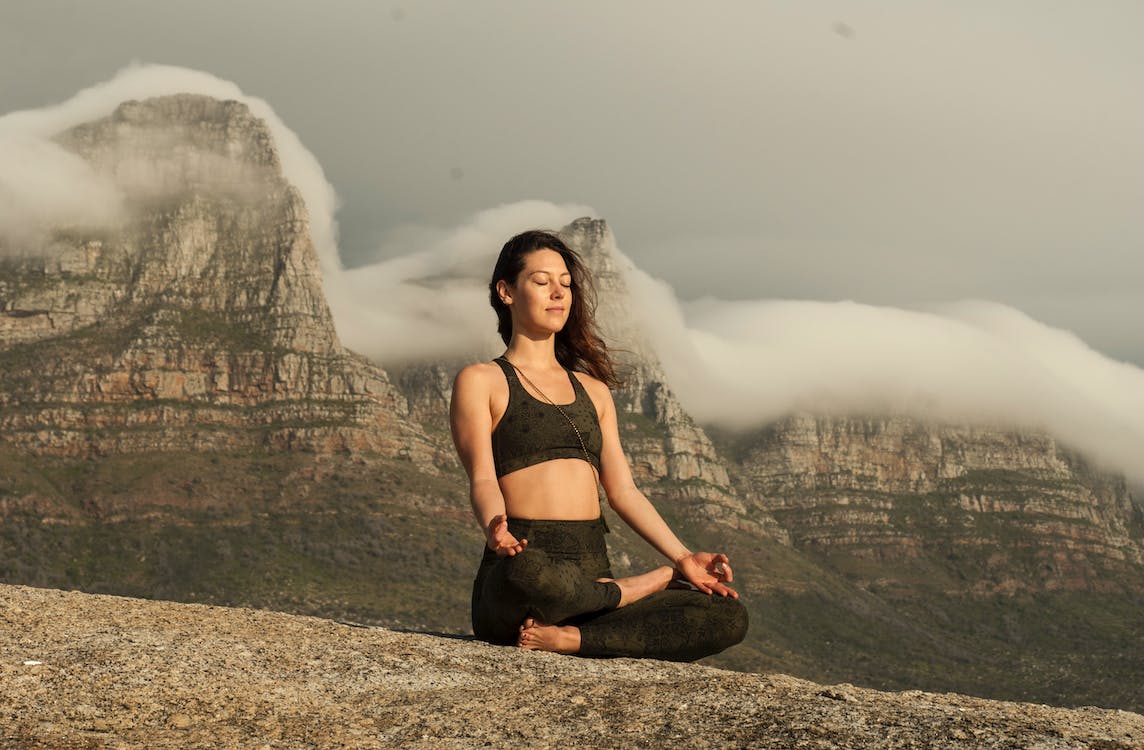
Yoga is a physical and spiritual practice that originated in ancient India. Yoga meditation involves the use of specific poses and breathing techniques to help quiet the mind and achieve a state of deep relaxation. Some of the popular yoga poses used in meditation are the lotus pose, the corpse pose, and the child’s pose.
4Vipassana Meditation
Vipassana meditation is a technique that involves the observation of the breath and the body. The goal is to develop mindfulness and awareness of the present moment. The practitioner focuses on the breath and sensations in the body and learns to observe them without judgment or attachment.
Also Read: The Wisdom of the Bhagavad Gita: Lessons for Life and Leadership
5Chakra Meditation
Chakra meditation is a technique that involves the visualization and activation of the seven chakras, or energy centers, in the body. The practitioner focuses on each chakra, starting from the root chakra at the base of the spine and moving up to the crown chakra at the top of the head. The goal is to balance the energy flow in the body and achieve a state of inner harmony.
6Mindfulness Meditation
Mindfulness meditation involves the practice of being present in the moment and observing thoughts and emotions without judgment or attachment. The practitioner learns to focus on the present moment and let go of distractions and worries.
Also Read: Satyabhama: The Fierce and Devoted Queen of Lord Krishna
7Loving-Kindness Meditation
Loving-kindness meditation involves the cultivation of feelings of love and compassion towards oneself and others. The practitioner visualizes sending love and kindness to themselves, loved ones, and even people they may have difficulty with.
Also Read: Understanding Karma: How Hinduism Views the Law of Cause and Effect
In Hinduism, meditation is seen as a tool for achieving inner peace and self-realization. Through regular practice, one can develop greater awareness, calm the mind, and cultivate positive qualities such as compassion and love. Meditation is not a one-size-fits-all practice, and it is important to find the technique that works best for you.
If you are interested in incorporating Hindu meditation techniques into your daily routine, start by setting aside a few minutes each day to practice. Gradually increase the time and frequency of your practice, and be patient with yourself. With regular practice, you can experience the many benefits of meditation, including greater peace, clarity, and self-awareness.
#HinduMeditation #SelfRealization #InnerPeace #VipassanaMeditation #YogaMeditation #TranscendentalMeditation #ChakraMeditation #MindfulnessMeditation #LovingKindnessMeditation #MeditationBenefits