Significance of Dharma in Hindu Festivals and Customs
Dharma is a central concept in Hinduism, encompassing duty, righteousness, morality, and cosmic order. It plays a crucial role in shaping the festivals and customs of Hindu society.
1. Religious Festivals
- Diwali: Celebrates the victory of dharma over adharma (unrighteousness) in the epic Ramayana. It symbolizes the triumph of good over evil and the removal of darkness from ignorance.
- Holi: Marks the arrival of spring and the destruction of evil. It is associated with Krishna, an incarnation of Vishnu, who protected dharma and punished wicked rulers.
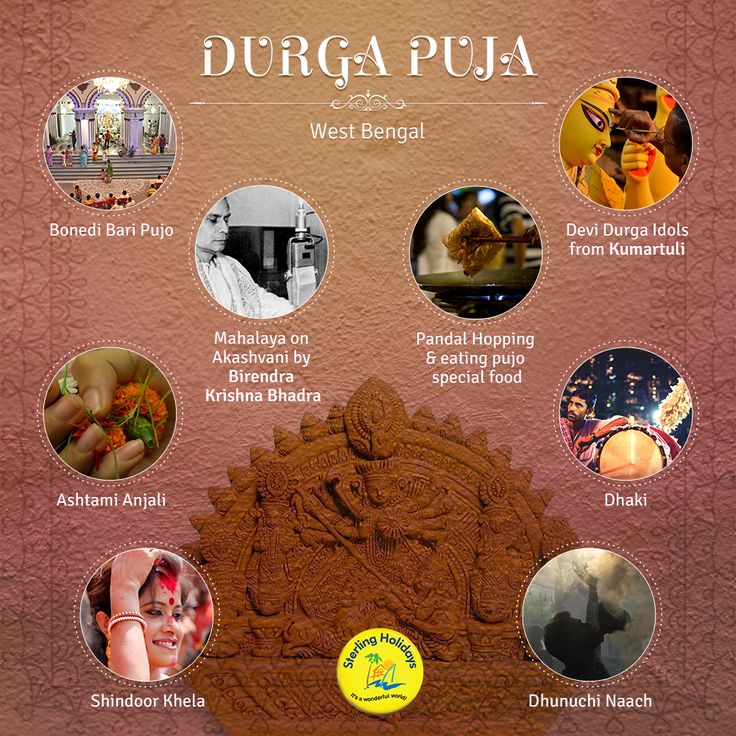
- Durga Puja: Honors the goddess Durga, who represents the divine feminine and vanquishes evil forces. It signifies the victory of dharma over the forces of chaos.
- Navratri: A nine-day festival dedicated to the goddess Durga. Each day focuses on a different form of the goddess, each representing a specific virtue or aspect of dharma.
2. Rituals and Customs
- Puja: Worship of deities, which involves offering prayers, incense, and other offerings. Dharma guides the proper conduct and rituals associated with puja.
- Dana: Charity and giving. Dharma dictates that Hindus have an obligation to share their wealth and resources with those in need.
- Yajna: Fire rituals that purify and connect the worshipper with the divine. Dharma prescribes the offerings and procedures for these rituals.
- Ashram System: Life stages that guide individuals on the path of dharma. Each stage has its own duties and responsibilities.
3. Social Customs
- Marriage: Dharma governs the institution of marriage, including the selection of spouses, the rituals involved, and the responsibilities of husbands and wives.
- Caste System: While the caste system has been criticized for its social stratification, it was originally based on the principle of dharma, assigning duties and obligations according to individual qualities and abilities.
- Family Values: Dharma emphasizes the importance of respecting elders, maintaining family ties, and fulfilling familial duties.
- Respect for Nature: Dharma teaches that all living beings are interconnected and deserving of respect. This principle influences Hindu festivals like Diwali and Holi, which celebrate the harvest and the harmony between nature and humanity.
4. Ethical Guidelines
- Ahimsa: Non-violence, a fundamental principle of dharma. It extends to all living beings and guides Hindu festivals and customs, such as the avoidance of animal sacrifice.
- Satya: Truthfulness, an essential virtue in Hinduism. Dharma requires individuals to speak honestly, even if it is unpleasant.
- Asteya: Non-stealing, a moral imperative that prohibits any form of theft or deception.
- Brahmacharya: Self-restraint, which includes control over desires and conduct. Dharma provides guidelines for ethical behavior in all aspects of life.
Conclusion
Dharma serves as a guiding force in Hindu festivals and customs, shaping their religious, social, and ethical dimensions. It promotes righteousness, duty, and harmony, creating a framework for a meaningful and fulfilling life. By adhering to the principles of dharma, Hindus strive to create a society that is both just and compassionate, reflecting the divine order that governs the universe.## The Significance of Dharma in Hindu Festivals and Customs
Executive Summary
Dharma, or righteous conduct, plays a pivotal role in Hindu festivals and customs, shaping their symbolism and underpinning their spiritual significance. This article explores the profound impact of dharma on various aspects of Hindu religious practices, from the grandest festivals to the most intimate rituals.
Introduction
Hinduism, one of the world’s oldest and most diverse religions, is characterized by a complex and multifaceted system of beliefs and practices. Dharma, derived from the Sanskrit root “dhri,” meaning “to hold” or “to sustain,” embodies the principles of right living and ethical duties. It forms the moral and ethical framework that guides Hindu individuals and communities.
FAQs
-
Q: What is Dharma in Hinduism?
A: Dharma encompasses a wide range of moral, ethical, and spiritual duties, including adherence to truth, non-violence, compassion, and societal responsibilities. -
Q: How does Dharma influence Hindu festivals?
A: Hindu festivals are often celebrated to honor specific deities, commemorate important events, or reinforce ethical teachings. Dharma dictates the appropriate conduct, rituals, and observances during these festivities. -
Q: How is Dharma reflected in Hindu customs?
A: Dharma governs various aspects of Hindu daily life, from birth rituals to marriage ceremonies and funeral rites. It ensures the proper performance of these customs, promoting harmony and spiritual growth.
Subtopics
1. Festivals as Dharma
- Hindu festivals are not merely social gatherings but sacred events that embody dharma.
- They commemorate significant events in Hindu mythology, such as the victory of good over evil or the birth of deities.
- Observances during festivals, such as fasting, prayer, and charitable donations, promote spiritual purification and social unity.
2. Dharma in Rituals
- Hindu rituals are intricate ceremonies that遵循特定规则和准则。
- 这些规则旨在确保仪式的功效和产生预期的精神成果。
- Dharma指导仪式中使用的材料、手势和咒语,尊重和维护神圣的传统。
3. Dharma and Moral Values
- Dharma provides a moral compass for Hindu individuals, guiding their actions and decisions.
- It emphasizes virtues such as truthfulness, honesty, compassion, and selflessness.
- By adhering to dharma, Hindus strive to live harmoniously with themselves, others, and the environment.
4. Dharma and Social Responsibility
- Dharma extends beyond individual morality to encompass duties towards society.
- It encourages Hindus to contribute to the well-being of their community, donate to charitable causes, and protect the environment.
- Dharma fosters a sense of collective responsibility and promotes social harmony.
5. Dharma and Spiritual Liberation
- Ultimately, dharma serves as a path towards spiritual liberation (moksha).
- By adhering to dharma, Hindus accumulate good karma, which is essential for breaking the cycle of rebirth and attaining union with the divine.
- Dharma purifies the heart and mind, leading to a deeper understanding of truth and reality.
Conclusion
Dharma permeates every aspect of Hindu festivals and customs, providing a moral and ethical framework that shapes their spiritual significance. It guides the conduct of rituals, emphasizes moral values, fosters social responsibility, and ultimately leads to spiritual liberation. Understanding the role of dharma enhances our appreciation of the depth and beauty of Hindu religious practices.
Keyword Tags
- Dharma
- Hindu Festivals
- Hindu Customs
- Righteous Conduct
- Moral Values