Achieving Moksha Through Dharma: A Deep Dive Into Hindu Spirituality
Introduction
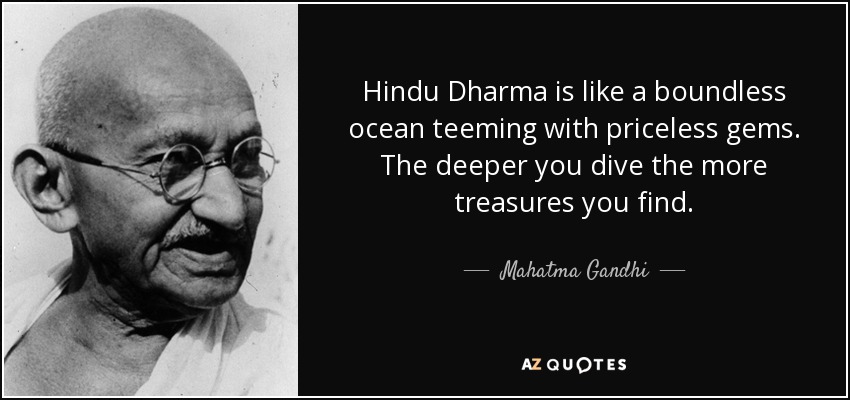
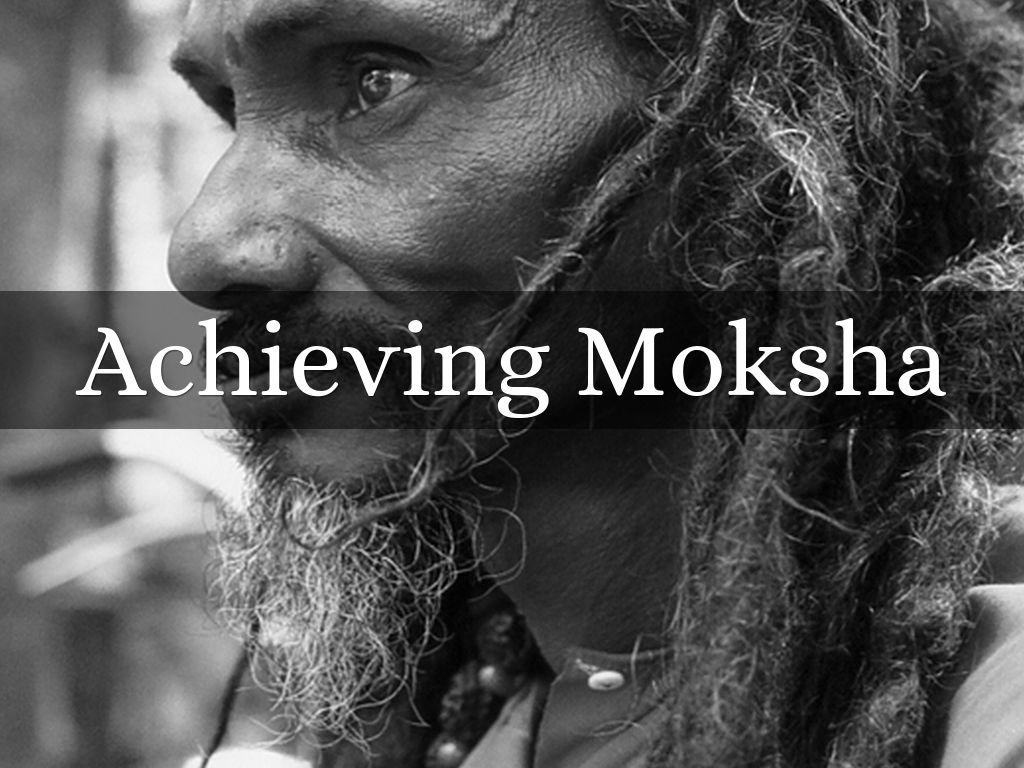
Moksha, or liberation from the cycle of rebirth, is the ultimate goal of Hindu spirituality. It is a state of union with the divine, where all suffering and ignorance cease. While there are many paths to moksha, one of the most important is dharma, the path of righteousness and ethical conduct.
The Concept of Dharma
Dharma is a complex concept that encompasses a wide range of meanings. It can refer to one’s duty or obligation, the laws of nature, or the cosmic order. Ultimately, dharma is about living in harmony with the world and with oneself.
According to Hindu philosophy, each person is born with a unique dharma, which is based on their caste, gender, and stage of life. By following their dharma, individuals can fulfill their purpose in life and progress towards moksha.
The Four Pillars of Dharma
The four pillars of dharma, known as the Chaturvarga, are:
- Dharma (righteousness): Following ethical principles and fulfilling one’s duties.
- Artha (material prosperity): Acquiring wealth and resources in a just and ethical manner.
- Kama (pleasure): Enjoying sensual pleasures without becoming attached to them.
- Moksha (liberation): The ultimate goal of life, where the cycle of rebirth is broken.
How Dharma Leads to Moksha
By following dharma, individuals can purify their minds and hearts, and break the cycle of karma that binds them to the material world. Karma is the law of cause and effect, and every action, whether good or bad, creates a karmic consequence. By performing righteous actions and avoiding sinful ones, individuals can accumulate good karma that will lead them closer to moksha.
In addition, dharma provides individuals with a sense of purpose and meaning in life. When people know their dharma and live in accordance with it, they experience a deep sense of fulfillment and inner peace. This inner peace is essential for achieving moksha, as it allows the mind to become quiet and receptive to the divine.
Examples of Dharma in Practice
There are many examples of dharma in practice in Hindu society. For example, a Brahmin (priest) fulfills his dharma by studying the Vedas, performing rituals, and teaching others about the sacred texts. A Kshatriya (warrior) fulfills his dharma by defending his people, upholding justice, and ruling righteously. A Vaishya (merchant) fulfills his dharma by earning wealth through honest means and supporting the community. A Shudra (laborer) fulfills his dharma by working hard and serving others.
Conclusion
Dharma is the foundation of Hindu spirituality and the key to achieving moksha. By following their dharma, individuals can purify their minds, accumulate good karma, and experience a deep sense of fulfillment. Ultimately, dharma leads to the realization of the divine within and the breaking of the cycle of rebirth.## Achieving Moksha Through Dharma: A Deep Dive Into Hindu Spirituality
Executive Summary
Hinduism, one of the world’s oldest and most complex religions, offers a profound path to spiritual liberation known as moksha. Through the practice of dharma, or righteous living, individuals can purify their souls and break free from the cycle of rebirth. This article explores the intricate relationship between dharma and moksha, providing a comprehensive guide to the core principles and practices of Hindu spirituality.
Introduction
Hinduism believes that the ultimate goal of life is to achieve moksha, a state of liberation from suffering and the endless cycle of rebirth. The path to moksha lies in following dharma, a multifaceted concept that encompasses righteous conduct, moral principles, and spiritual obligations. By embodying dharma in all aspects of life, individuals cultivate inner purity, elevate their consciousness, and ultimately transcend the limitations of the material world.
FAQs
Q: What is the significance of dharma in Hinduism?
A: Dharma is the foundation of Hindu spirituality, providing a moral and ethical framework for living. It guides individuals towards righteous actions, promotes harmony in society, and fosters spiritual growth.
Q: How is moksha achieved through dharma?
A: By practicing dharma, individuals purify their souls, break free from selfish desires, and cultivate virtues such as compassion, truthfulness, and non-violence. These qualities pave the path to spiritual liberation and the realization of moksha.
Q: What are some key practices for following dharma?
- Karma Yoga: Engaging in selfless service and actions without attachment to personal rewards.
- Bhakti Yoga: Cultivating devotion and love for the divine, often through the worship of gods and goddesses.
- Jnana Yoga: Seeking knowledge and wisdom through study, reflection, and meditation.
Subtopics
Dharma: The Foundation of Righteous Living
- Meaning and Scope: Dharma encompasses all aspects of life, from individual conduct to social responsibilities.
- Types of Dharma: There are various types of dharma, including personal dharma (one’s unique path), social dharma (duties to society), and spiritual dharma (practices for spiritual growth).
- Importance of Ethics: Dharma emphasizes ethical principles, such as non-violence (ahimsa), honesty (satya), and compassion (karuna), which guide moral decision-making.
Karma: The Law of Cause and Effect
- The Cycle of Rebirth: Karma is the principle that every action has consequences that shape an individual’s destiny in this life and beyond.
- Positive and Negative Karma: Good actions accumulate positive karma, leading to favorable outcomes, while harmful actions create negative karma, resulting in suffering.
- Karmic Balance: The concept of karma promotes the idea of self-responsibility, encouraging individuals to make choices that align with dharma and contribute to a positive karmic balance.
Moksha: The Ultimate Goal of Liberation
- Breaking the Cycle: Moksha is the ultimate goal of Hinduism, where individuals transcend the cycle of rebirth by purifying their souls and achieving spiritual enlightenment.
- Qualities of Moksha: Moksha is characterized by freedom from suffering, ignorance, and worldly attachments.
- Attaining Moksha: The path to moksha can be demanding, requiring diligent practice of dharma, selfless actions, and the development of inner purity.
Yoga: Spiritual Practices for Dharma and Moksha
- Meaning and Types: Yoga refers to various spiritual practices aimed at uniting the individual soul with the divine.
- Karma Yoga: Karma yoga involves selfless service and actions performed without attachment to results.
- Bhakti Yoga: Bhakti yoga focuses on devotion and love for the divine, cultivating a deep personal relationship with God.
- Jnana Yoga: Jnana yoga emphasizes the pursuit of knowledge and wisdom through study, reflection, and meditation.
The Importance of Selfless Service
- Purification through Seva: Seva, or selfless service, is a fundamental aspect of Dharma and a powerful means of accumulating positive karma.
- Breaking Ego Attachment: By engaging in service without expecting anything in return, individuals break free from ego attachment and develop qualities of humility and compassion.
- Serving the Divine: Selfless service is often directed towards the divine, seeing God in all beings and working for the common good.
Conclusion
Dharma and moksha are inextricably linked in Hindu spirituality, providing a comprehensive path for individuals to achieve spiritual liberation. By embodying dharma in their thoughts, words, and actions, Hindus strive to purify their souls, break the cycle of rebirth, and ultimately experience the bliss of moksha. The teachings of Hinduism offer profound insights into the nature of existence and empower individuals to live a life of purpose and fulfillment, leading them towards the ultimate goal of spiritual enlightenment.
Keyword Tags
- Dharma
- Moksha
- Hinduism
- Spiritual Liberation
- Karma