The Hindu Concept of Tirtha: Understanding Sacred Sites and Pilgrimage
In the Hindu tradition, tirthas hold immense spiritual and religious significance. They are considered sacred sites, often associated with bodies of water, that are believed to possess purifying and rejuvenating properties. The concept of tirtha is deeply intertwined with the practices of pilgrimage and ritual bathing.
Etymology and Meaning
The term “tirtha” is derived from the Sanskrit root “tr,” meaning “to cross” or “to pass over.” This suggests that tirthas serve as gateways or passages to the divine realm. They are considered places where the sacred and the mundane intersect, allowing devotees to transcend the limitations of ordinary existence.
Types of Tirthas
Hindu scriptures identify various types of tirthas:
- Natural Tirthas: These include rivers, lakes, mountains, and forests that are believed to have inherent sacredness. Examples include the Ganges River, the Himalayas, and Mount Kailash.
- Artificial Tirthas: These are constructed by humans, typically in the form of temples, shrines, or tanks. They are often dedicated to specific deities and are believed to have similar purifying qualities as natural tirthas.
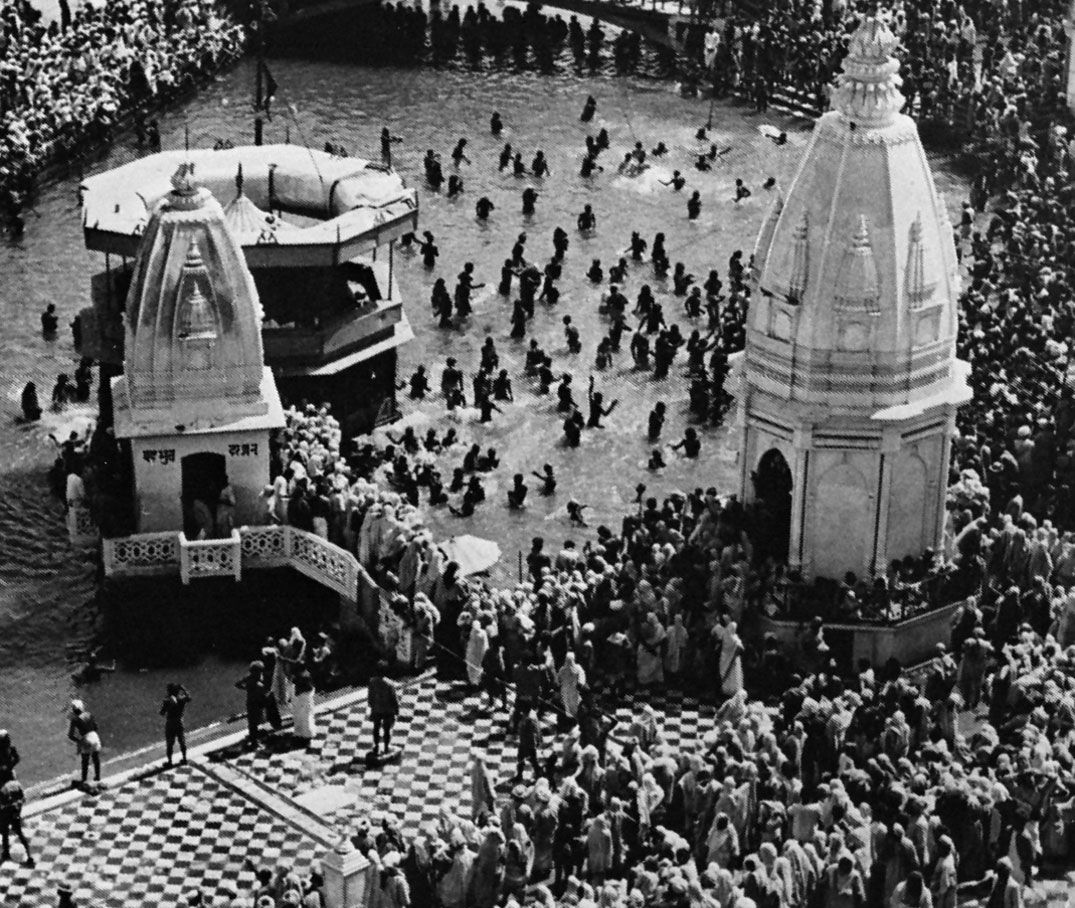
- Temporal Tirthas: These are temporary sacred sites that emerge during specific festivals or events. For example, the Kumbh Mela is considered one of the largest temporal tirthas.
Significance of Tirthas
Tirthas are revered for their ability to:
- Purify and Remove Sins: Bathing in or visiting a tirtha is believed to cleanse one of physical and spiritual impurities. It is seen as a form of atonement and self-renewal.
- Grant Salvation (Moksha): Many Hindus believe that visiting tirthas during the lifecycle or at the end of life helps accumulate religious merit and can lead to liberation from the cycle of birth and death.
- Connect with the Divine: Tirthas are considered gateways to the divine realm. Visiting and worshipping at these sites is a way to connect with the sacred and experience a sense of transcendence.
Practices Associated with Tirthas
The most common practice associated with tirthas is ritual bathing. Devotees immerse themselves in the water of the river or tank, recite sacred mantras, and offer prayers. Some also perform rituals such as pouring water over themselves or offering flowers.
Other practices include:
- Puja: Worshipping deities associated with the tirtha
- Annadana: Feeding the poor or offering food as a form of charity
- Yatra: Pilgrimages to visit multiple tirthas
Pilgrimage (Yatra)
Pilgrimage, or yatra, is an integral part of the Hindu faith. Visiting tirthas is considered a sacred duty and a means of spiritual growth. Common pilgrimages include the Char Dham Yatra (four holy shrines), the Amarnath Yatra, and the Kumbh Mela.
Conclusion
The Hindu concept of tirtha is a multifaceted and profound one. Tirthas are not merely geographical locations but sacred spaces that hold immense power and significance. They offer devotees opportunities for purification, renewal, and connection with the divine. Through ritual bathing, worship, and pilgrimage, Hindus seek to attain spiritual fulfillment and transcend the limitations of the material world.## The Hindu Concept of Tirtha: Understanding Sacred Sites and Pilgrimage
Executive Summary
The Hindu concept of tirtha encompasses sacred sites, rivers, and natural features that hold religious significance. Pilgrimage to these places forms an integral part of Hindu spiritual practices, allowing individuals to seek blessings, purify their souls, and attain spiritual realization. This article explores the concept of tirtha, its significance in Hinduism, and the various forms it takes, providing a comprehensive understanding of this important aspect of Indian religion and culture.
Introduction
Sacred sites, known as tirthas in Hinduism, are considered gateways to the divine. From the majestic peaks of the Himalayas to the banks of the holy Ganges, tirthas are scattered across the Indian subcontinent, each possessing its unique spiritual significance. For centuries, Hindus have embarked on pilgrimages to these sacred places, seeking spiritual purification, blessings, and enlightenment.
FAQs
1. What is the significance of tirthas in Hinduism?
Tirthas are believed to be dwelling places of deities and are considered to have purifying powers. Visiting these sites is believed to cleanse one’s sins, bestow blessings, and bring spiritual upliftment.
2. What are the different types of tirthas?
Tirthas can be classified into three main types:
- Jala tirthas: Sacred water bodies such as rivers, lakes, and ponds.
- Sthala tirthas: Fixed geographical locations with religious importance, such as temples and sacred shrines.
- Manasa tirthas: Sacred places within one’s mind and heart.
3. Why do Hindus undertake pilgrimages to tirthas?
Pilgrimage to tirthas is considered a sacred duty for Hindus. It allows devotees to:
- Express their devotion to deities and honor their presence.
- Seek blessings for their well-being and prosperity.
- Purify their souls and break the cycle of karma.
Subtopics
Jala Tirthas: Sacred Water Bodies
- Ganga River: The most sacred river in Hinduism, believed to possess purifying properties and absolve sins.
- Yamuna River: Another holy river that originates from the Himalayas and is associated with Lord Krishna.
- Saraswati River: A mythical river mentioned in the Vedas and believed to represent knowledge and creativity.
- Pushkar Lake: Located in Rajasthan, it is considered a sacred lake and is the site of the Pushkar Mela, a famous Hindu festival.
- Kumbh Mela: A massive pilgrimage festival held at various sacred rivers every 12 years, attracting millions of devotees.
Sthala Tirthas: Sacred Geographical Locations
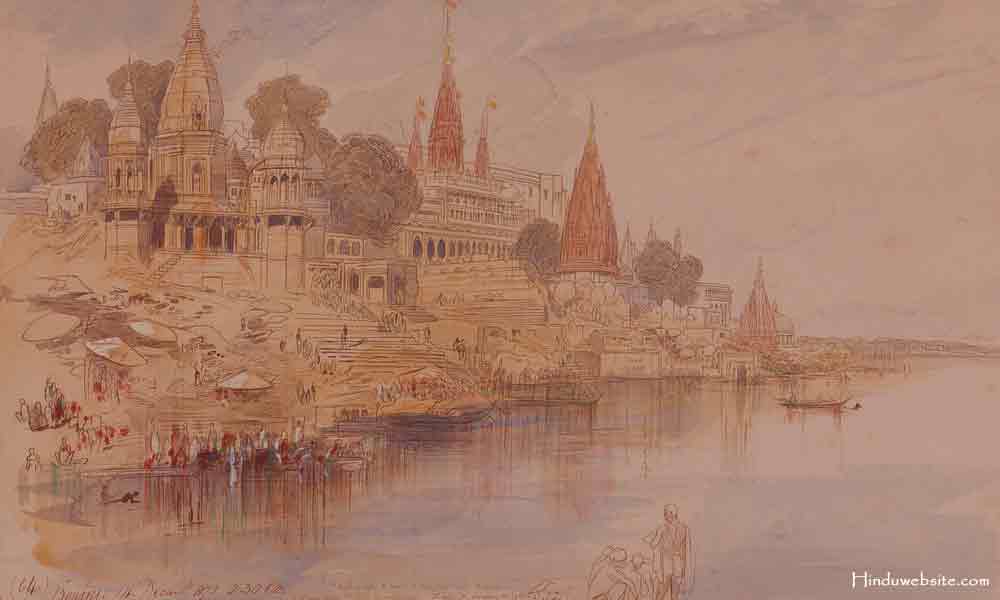
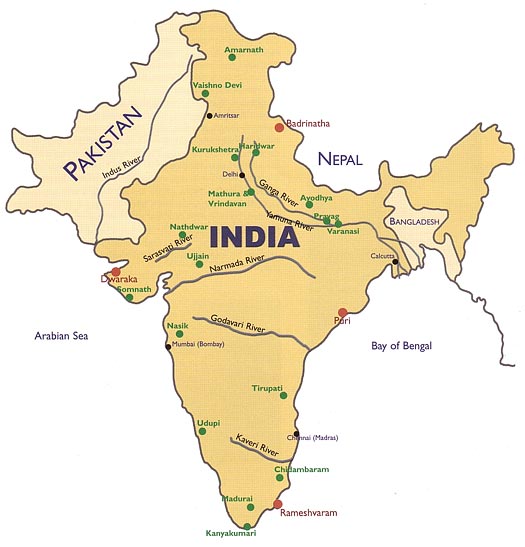
- Varanasi: The holiest city in Hinduism, located on the banks of the Ganges, is considered the gateway to heaven.
- Haridwar: A sacred city located at the foothills of the Himalayas where the Ganges enters the plains.
- Puri: A city in Odisha known for the famous Jagannath Puri Temple, which houses the deity Jagannath.
- Badrinath: A pilgrimage site in the Himalayas dedicated to Lord Vishnu, located at an altitude of over 10,000 feet.
- Madurai: A city in Tamil Nadu known for the Meenakshi Amman Temple, one of the most famous Hindu temples in South India.
Manasa Tirthas: Sacred Places within the Mind and Heart
- Omkar: The sacred sound that is considered the supreme mantra and represents the divine.
- Isvara: The concept of the Supreme Being, the ultimate reality, and the source of all creation.
- Bhakti: Devotion to God, an essential aspect of Hindu spirituality and a path to spiritual realization.
- Yoga: A spiritual practice that involves physical, mental, and spiritual disciplines, leading to self-realization.
- Jnana: Knowledge and understanding of the true nature of reality, which leads to liberation from the cycle of birth and rebirth.
Conclusion
The concept of tirtha holds a central place in Hindu spirituality and religious practices. Tirthas are considered sacred portals that connect the mortal world with the divine realm. Through pilgrimage and devotion, Hindus seek to purify their souls, attain spiritual knowledge, and experience the presence of the divine. Understanding the significance of tirthas and the various forms they take provides a deeper appreciation of the rich and diverse tapestry of Hinduism.
Keyword Tags
- Tirtha
- Hinduism
- Pilgrimage
- Sacred Sites
- Spiritual Significance