eGod.eu – Hey there, history buffs and spiritual explorers! Ever wondered what life was like in ancient India, a land steeped in rich history and spirituality? Well, let’s take a trip through time, and I’ll show you the fascinating world of the lost cities of Hinduism. These aren’t just ruins; they’re remnants of vibrant civilizations that thrived centuries ago, leaving behind a legacy of architectural marvels, spiritual practices, and a profound understanding of the world.
You know, it’s kind of mind-blowing to think about these ancient cities, bustling with life and energy. It’s like they’re whispering secrets from the past, inviting us to explore their stories and understand the roots of our present. Imagine yourself standing amidst the ruins of a city that flourished thousands of years ago, surrounded by echoes of a forgotten world. It’s a kind of time travel for the soul, a connection to something much bigger than ourselves.
The Indus Valley Civilization: A Flourishing Metropolis
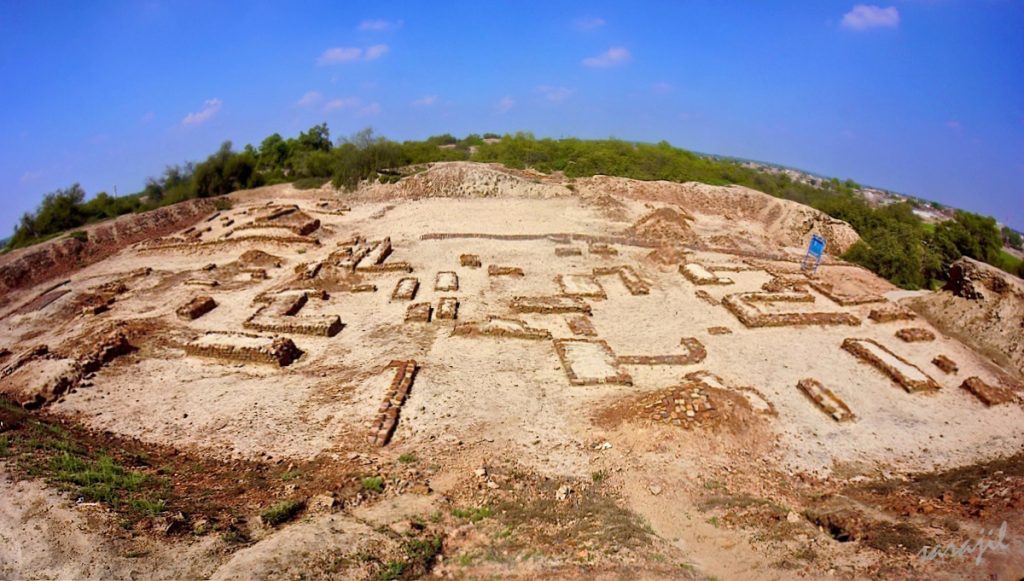
Let’s start with a civilization that’s shrouded in a bit of mystery – the Indus Valley Civilization. This ancient civilization, which flourished in what is now Pakistan and northwestern India, dates back to around 3300 BCE. They left behind a remarkable legacy of urban planning, sophisticated sanitation systems, and a thriving trade network. Think of it as a really early version of a metropolis, with organized streets, public buildings, and impressive drainage systems.
One of the most fascinating aspects of the Indus Valley Civilization is their writing system. It’s known as the Indus Script, and it’s still largely undeciphered. It’s like a puzzle, a language that we haven’t cracked yet. Scholars are still trying to understand this unique script and what it reveals about the civilization’s culture and beliefs.
Read more The Enigmatic Aghori: Tantric Practitioners Of Varanasi
The Ancient Kingdom of Magadha: A Powerful Empire
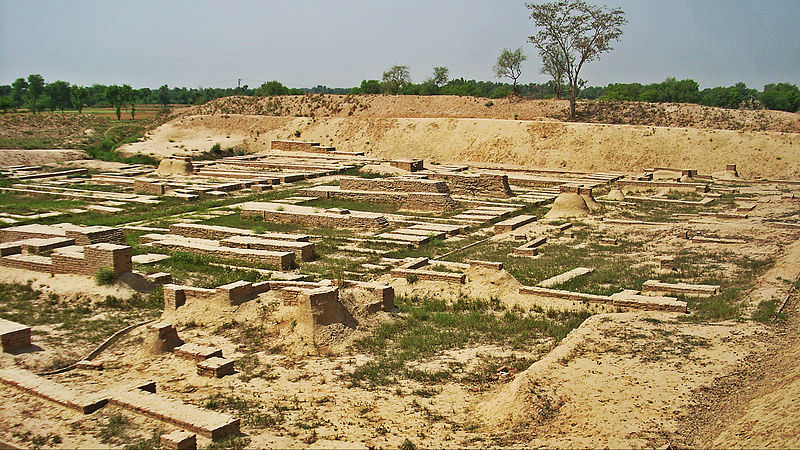
Now, let’s fast-forward to the Iron Age and journey to the kingdom of Magadha. This powerful empire, located in present-day Bihar, India, rose to prominence in the 6th century BCE. It was known for its strong military, its vast territory, and its capital city, Pataliputra. The ancient city of Pataliputra was a bustling center of trade and commerce, a melting pot of cultures and ideas.
The rulers of Magadha, like Emperor Ashoka, are known for their contributions to the spread of Buddhism. They established elaborate monuments and pillars throughout their empire, proclaiming their faith and spreading the message of peace and non-violence.
Read more The Mysterious Naga Sadhus: Ascetics Of The Himalayas
The Gupta Empire: A Golden Age of Learning and Art
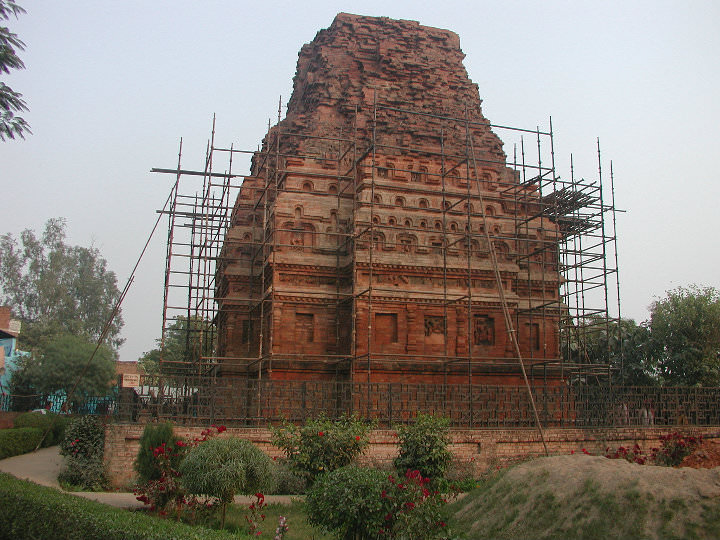
The Gupta Empire, which flourished between the 4th and 6th centuries CE, is considered a golden age in Indian history. This era saw a flowering of art, literature, science, and mathematics. The Gupta rulers patronized the arts and sciences, leading to a flourishing of creativity and innovation. Their empire extended across much of northern India, and their influence spread to Southeast Asia.
One of the most famous cities of the Gupta era is Ayodhya, a city steeped in mythology and history. Ayodhya is believed to be the birthplace of Lord Rama, the central figure in the Hindu epic Ramayana. The city is a pilgrimage site for Hindus, and it continues to be a place of great cultural and religious significance.
Read more Karma’s Web: Unraveling The Threads Of Cause And Effect
The Chola Empire: A Naval Powerhouse
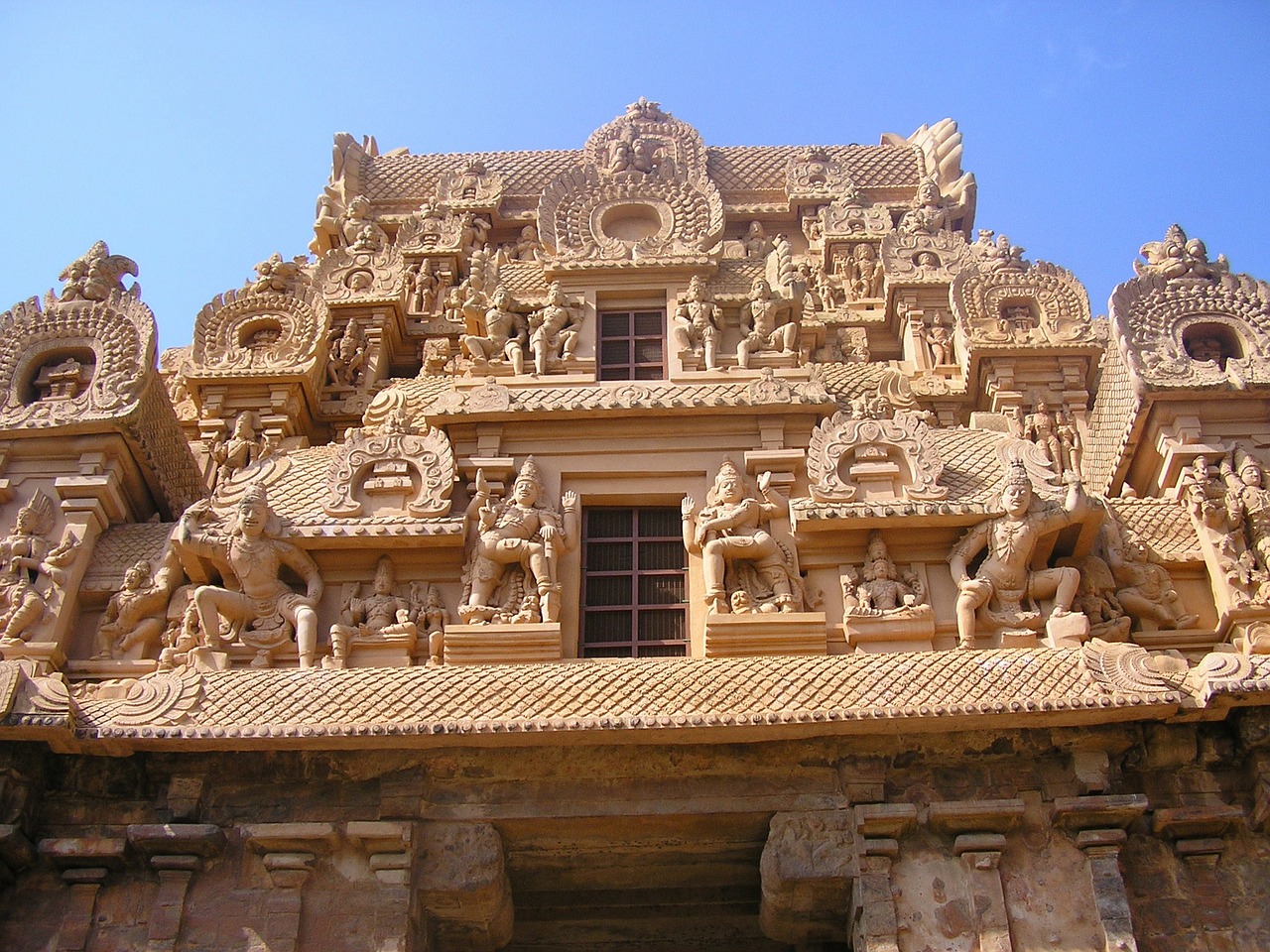
Now, let’s journey to southern India and explore the Chola Empire, which flourished between the 9th and 13th centuries CE. This powerful empire is known for its maritime dominance and its exquisite temple architecture. The Cholas were masters of naval warfare, their ships dominating the seas of Southeast Asia and the Indian Ocean.
The Chola era was also a time of great artistic and cultural achievement. The Cholas built some of the most stunning temples in India, masterpieces of architectural brilliance that continue to stand as testaments to their artistic legacy. One of the most impressive examples is the Brihadeeswarar Temple in Thanjavur, a UNESCO World Heritage Site.
Read more The Secret Rituals Of Tantra: Exploring The Path Of Spiritual Awakening
The Vijayanagara Empire: A Majestic Kingdom
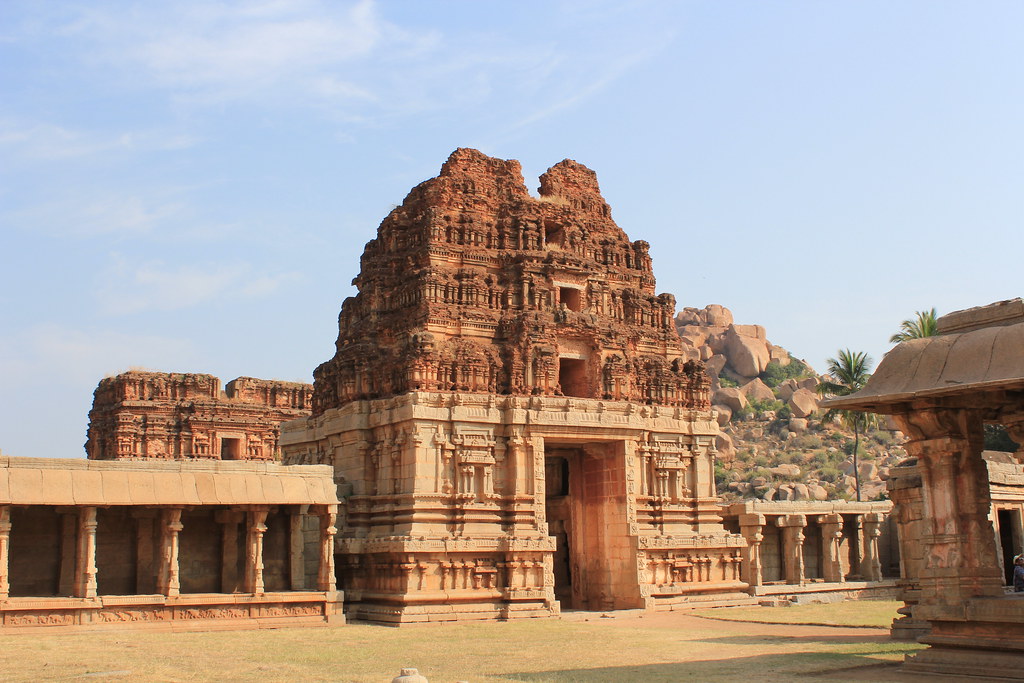
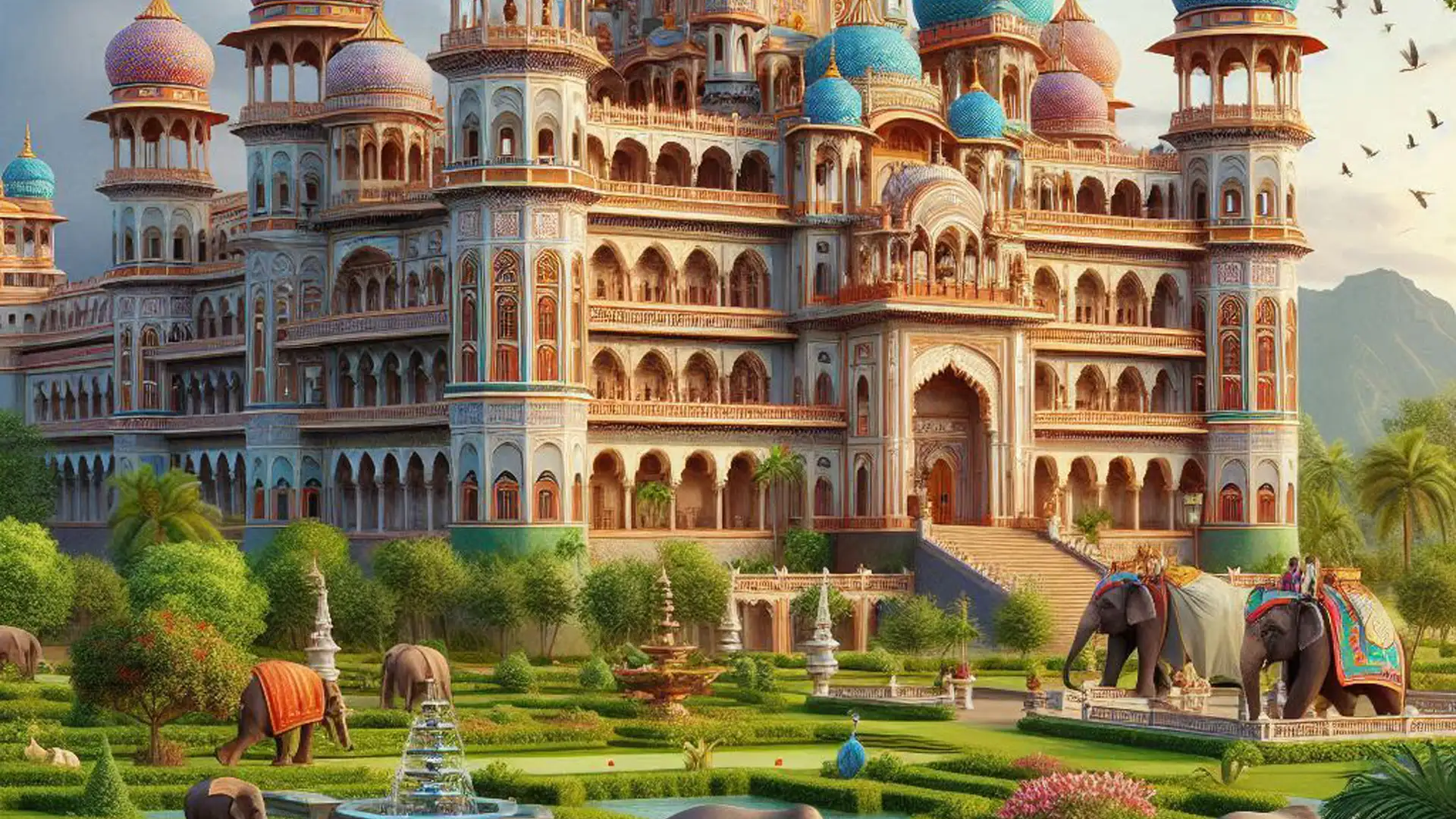
Our final stop on this journey through the lost cities of Hinduism takes us to the Vijayanagara Empire, which rose to prominence in southern India between the 14th and 16th centuries CE. This empire, known for its majestic cities and grand temples, ruled over a vast territory, stretching from the eastern coast to the west. The capital city, Hampi, was a magnificent metropolis, boasting grand palaces, elaborate temples, and sprawling markets.
The Vijayanagara Empire is renowned for its architectural achievements, with the Hampi ruins standing as a testament to the empire’s grandeur. The ruins of Hampi, a UNESCO World Heritage Site, are a treasure trove of architectural wonders, showcasing the empire’s mastery of stone carving, intricate sculptures, and massive temple complexes.
Read more The Role Of Music And Dance In Hinduism
Final Thoughts
These lost cities of Hinduism, though now mostly ruins, whisper tales of civilizations that once flourished, leaving behind a legacy of art, culture, and spirituality. They invite us to journey through time, to understand the roots of a rich and vibrant tradition, and to appreciate the enduring power of these ancient kingdoms.
These lost cities are a reminder that history is not just a collection of facts; it’s a story, a narrative that connects us to the past, present, and future. They remind us that even though civilizations rise and fall, the spirit of faith and human achievement continues to endure.