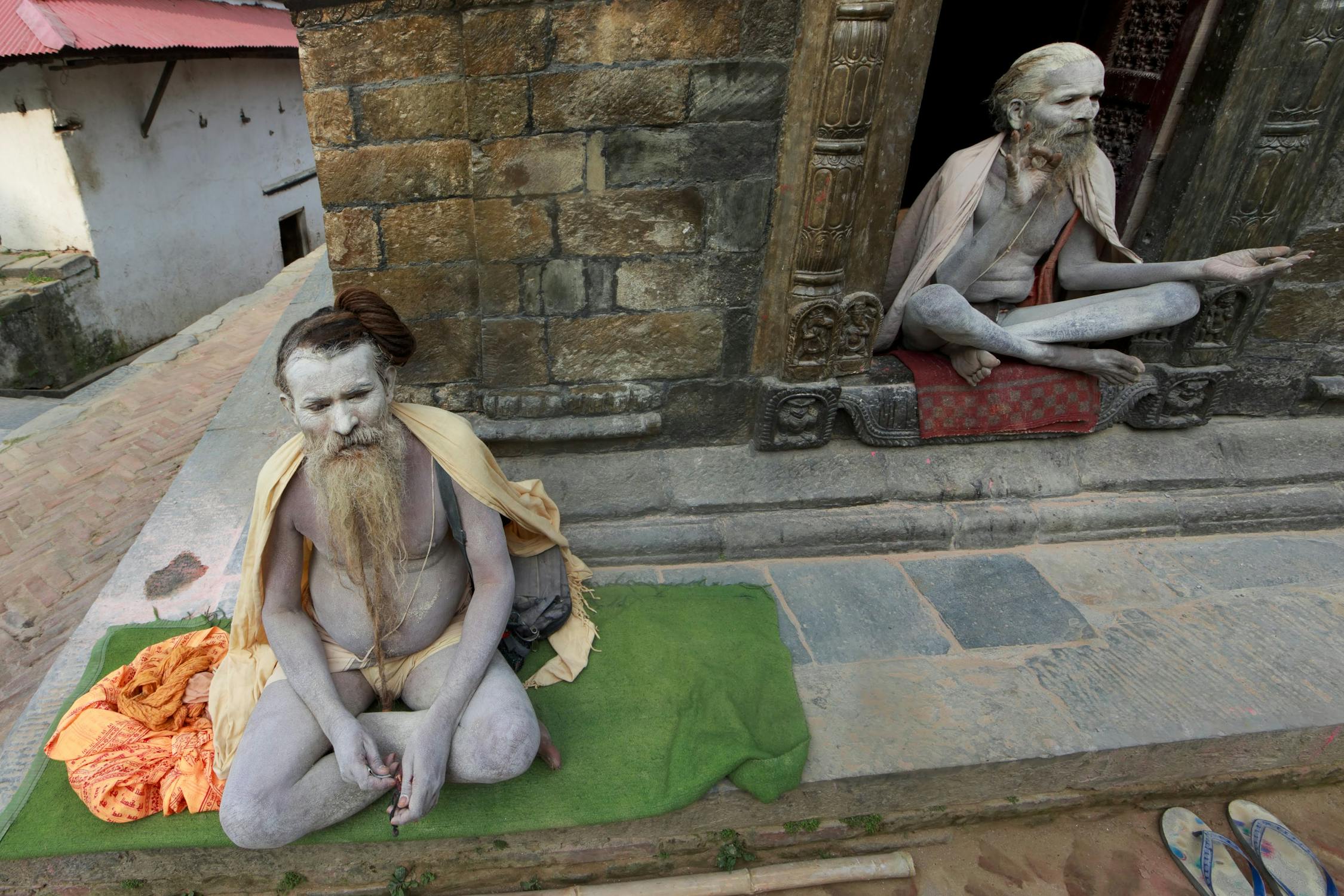
The Aghori, a distinctive sect within Hinduism, have captivated the imagination of both spiritual seekers and curious observers for centuries. Their unorthodox practices and unconventional beliefs set them apart from mainstream Hinduism, often leaving outsiders baffled, intrigued, and sometimes even frightened.
The Aghori are known for their stark appearance, often adorned with ash and wearing the skulls of the dead. While this may seem unsettling to some, it’s a crucial aspect of their philosophy, reflecting their acceptance of death and impermanence. The Aghori’s path is steeped in tantra, an ancient and complex practice within Hinduism that aims to harness the energy of the universe to achieve enlightenment. They believe that by confronting the most taboo aspects of life, including death and decay, they can transcend the illusionary nature of the world, known in Sanskrit as Maya, and achieve liberation.
The Aghori’s Path to Enlightenment
The Aghori’s quest for enlightenment is a profound journey that involves confronting the very things that most people fear and avoid. They view death and decay not as something to be feared but as essential parts of the natural cycle of life. By embracing the impermanence of life, they aim to transcend the illusionary nature of the world and attain liberation from the cycle of birth and death, known as Samsara. This is a path less traveled, a path that requires immense courage and unwavering commitment.
The Aghori’s practice of tantra involves a wide range of rituals and techniques that aim to awaken the divine energy within. These practices often involve the use of mantra, yoga, meditation, and offerings to Shiva, the Hindu deity associated with destruction and transformation. The Aghori, unlike other tantric practitioners, are known for their willingness to engage with the most taboo elements of the universe, including the dead and decaying bodies. This is where their practice becomes truly unique.
Read More The Mysterious Naga Sadhus: Ascetics Of The Himalayas
The Aghori’s Relationship with Death
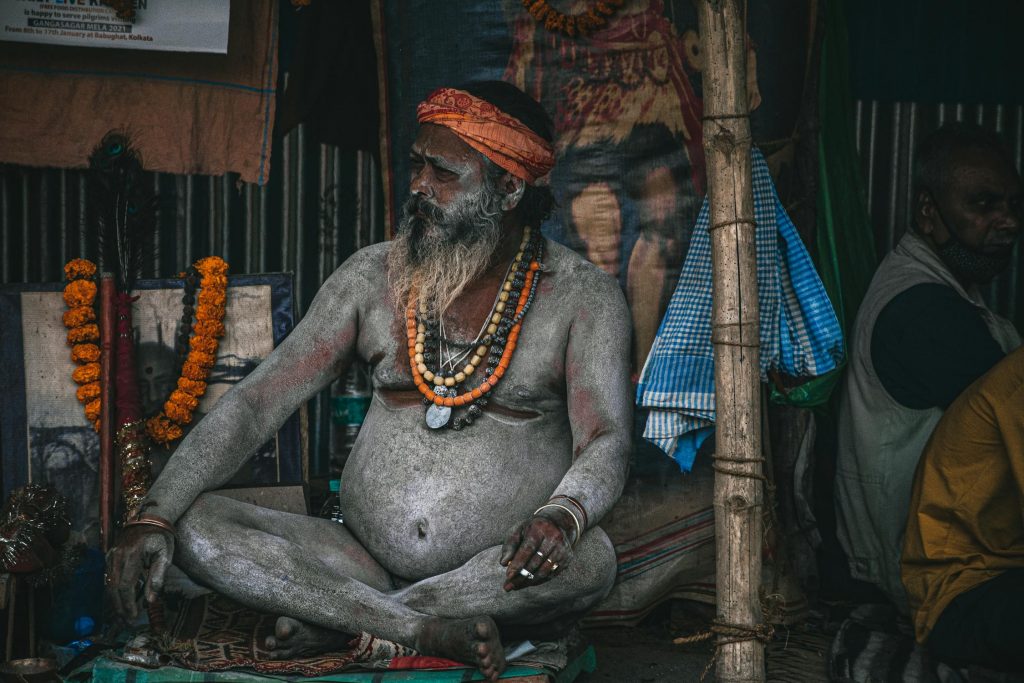
For the Aghori, death is not an end but a transformation. They see it as a bridge to a higher consciousness, a stepping stone on the path to liberation. The Aghori’s relationship with death is profoundly different from that of most people. While many fear death, the Aghori embrace it as an integral part of the cycle of life.
The Aghori’s practices often take place in the cremation grounds of Varanasi, a city revered as a sacred pilgrimage site in Hinduism. The city’s cremation grounds, known as Manikarnika Ghat, are a place of constant ritual and a symbol of the cyclical nature of life and death. Here, the Aghori perform their rituals, offering prayers to Shiva and meditating on the impermanence of life. They are not afraid to interact with the dead, believing that by confronting the most taboo aspects of existence, they can achieve liberation from the cycle of rebirth.
The Aghori’s Place in Hinduism
The Aghori’s practices and beliefs are often misunderstood, and their relationship with mainstream Hinduism is complex. They are often seen as outsiders, as a group that practices a fringe form of Hinduism. However, the Aghori themselves believe they are following a legitimate path to enlightenment, one that has been practiced for centuries. They believe that their methods are necessary to transcend the illusion of the material world and reach a higher state of consciousness.
The Aghori’s practices, particularly their use of cremation grounds and their unconventional rituals, are often seen as offensive or even shocking to those outside their community. However, it is important to approach them with understanding, recognizing that their beliefs and practices are rooted in a deep spiritual tradition. They offer a different perspective on life and death, one that challenges our preconceptions and encourages us to confront the things we often choose to ignore.
Read more Karma’s Web: Unraveling The Threads Of Cause And Effect
Encountering the Aghori
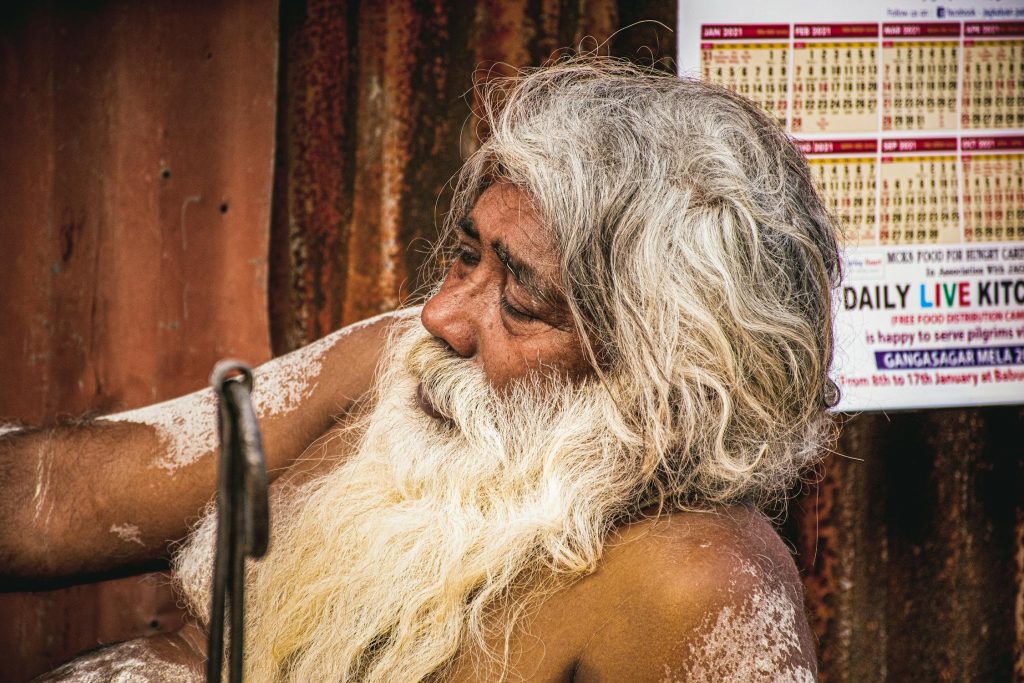
For those seeking to learn more about the Aghori, the path is often shrouded in mystery and fear. While some may be drawn to their unusual practices, it is important to approach them with respect and understanding. The Aghori are not a tourist attraction, and their rituals should not be treated as entertainment.
If you find yourself in Varanasi, you might encounter Aghori at the cremation grounds or on the streets. Remember that they are spiritual practitioners, not performers. Observe them from a distance and treat them with the respect and dignity that any individual deserves. Their lives and practices are not ours to judge, but rather to learn from and contemplate.
Final Reflections
The Aghori offer a unique perspective on Hinduism, a path that embraces the darkness and the light, the sacred and the profane. Their unconventional practices challenge our preconceptions and invite us to consider the nature of existence, the meaning of death, and the possibilities of liberation. They are a reminder that the path to enlightenment is not always a straight one; it can involve confronting our fears, embracing the unknown, and finding meaning in the most unexpected places.
The Aghori, though often misunderstood, provide a valuable window into the vast and diverse landscape of Hinduism. Their practices, though unorthodox, offer a unique and powerful perspective on life, death, and the human search for meaning.