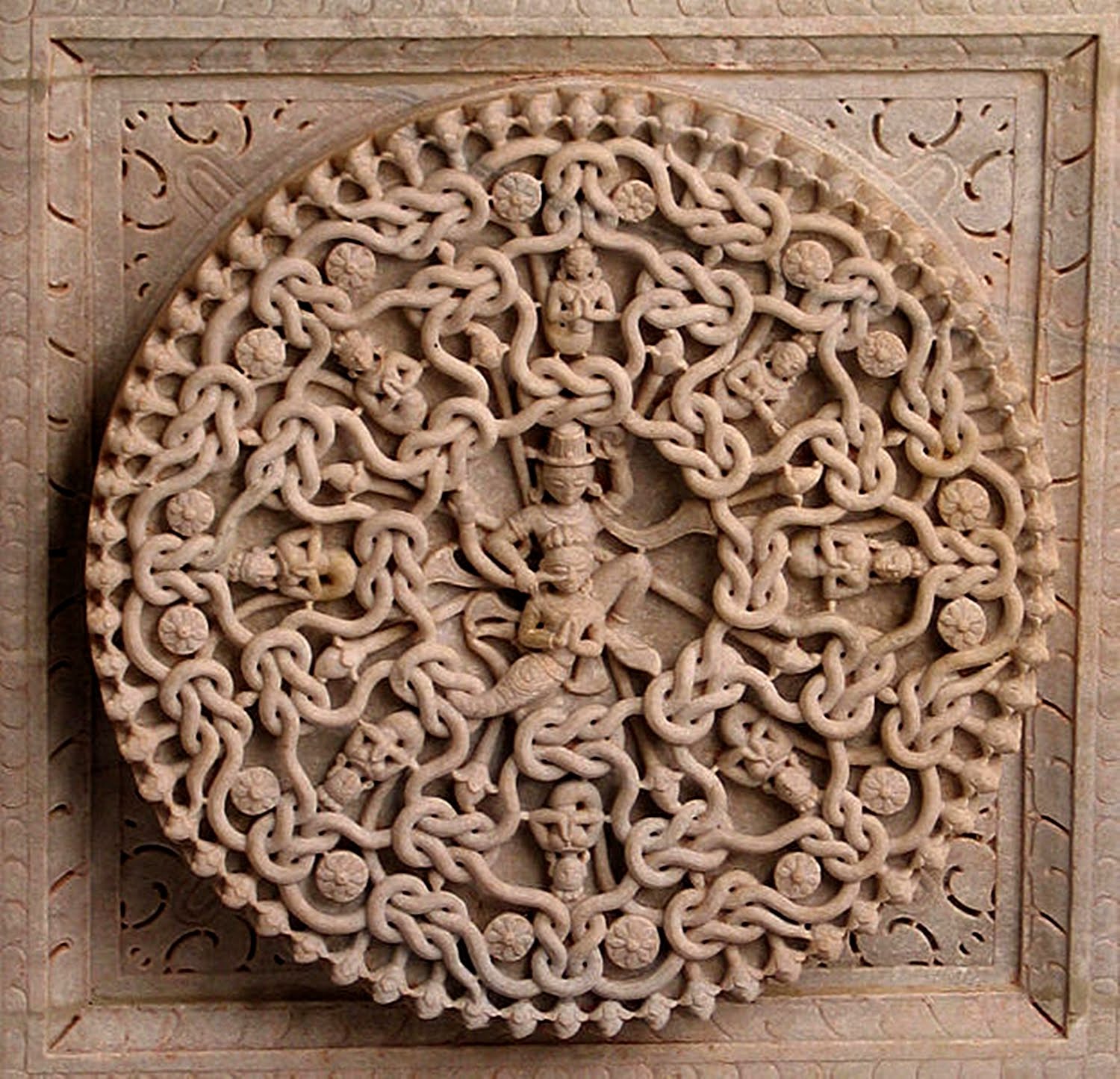
The Role of Karma in Hinduism
Karma is a fundamental concept in Hinduism, and it plays a central role in understanding the cyclical nature of life and the progression of the soul. It refers to the actions and deeds of an individual, which determine their future experiences and the circumstances of their next life.
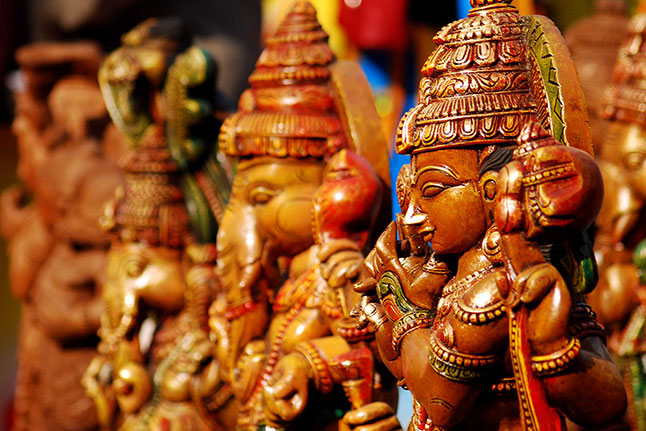
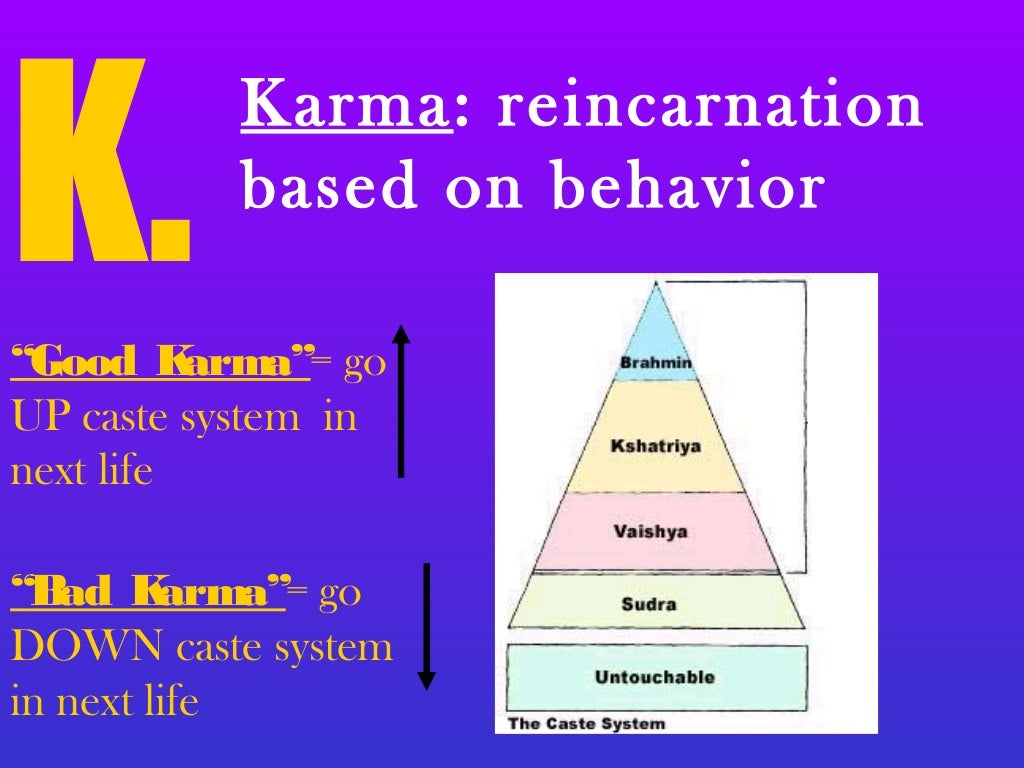
According to the law of karma, every action, whether good or bad, has a corresponding reaction. Positive actions (good karma) lead to positive outcomes, while negative actions (bad karma) result in negative consequences. This principle of cause and effect is said to extend across multiple lifetimes, shaping the individual’s destiny and spiritual path.
Karma is not simply about punishment or reward; it is a means for the soul to learn and evolve. Through experiencing the consequences of our actions, we gain wisdom and develop our compassion. Negative karma can serve as a catalyst for growth, leading us to reflect on our mistakes and make better choices in the future.
Impact of Karma on Daily Life
The belief in karma has a profound impact on the daily lives of Hindus. It influences their thoughts, behaviors, and interactions with others. Here are some specific examples:
- Ethical Decision-Making: Hindus strive to live in accordance with the principles of karma, seeking to avoid actions that could lead to negative consequences for themselves or others. They weigh the potential outcomes of their choices and make decisions that align with their spiritual values.
- Social Responsibility: The concept of karma extends beyond the individual to encompass the community as a whole. Hindus believe that by contributing to the well-being of society, they can generate good karma for both themselves and those around them. This includes acts of charity, service, and ethical business practices.
- Spiritual Growth: Karma is seen as a tool for spiritual advancement. Hindus believe that experiencing the consequences of their actions helps them develop their inner selves and progress on the path of spiritual evolution. They seek to cultivate virtues such as compassion, selflessness, and forgiveness.
- Acceptance of Life’s Uncertainties: The law of karma also promotes acceptance of life’s challenges and uncertainties. Hindus understand that suffering and adversity can be a result of past negative actions. However, they believe that by embracing these experiences with grace and resilience, they can mitigate the effects of bad karma and create positive outcomes in the future.
- Reincarnation: The belief in karma is closely intertwined with the concept of reincarnation. Hindus believe that the soul undergoes multiple lives, carrying forward its accumulated karma from one lifetime to the next. This belief encourages individuals to act with integrity and kindness, knowing that their actions will shape their destiny in future lives.
In summary, the concept of karma in Hinduism is a powerful force that guides and shapes the lives of its adherents. It emphasizes the importance of ethical decision-making, social responsibility, spiritual growth, acceptance of life’s uncertainties, and the interconnectedness of all beings. By understanding and applying the principles of karma, Hindus strive to live meaningful and fulfilling lives, both in this world and beyond.## The Role Of Karma In Hinduism And Its Impact On Daily Life
Executive Summary:
Karma, a central concept in Hinduism, plays a profound role in shaping individuals’ actions and experiences. This article explores the multifaceted nature of karma and its impact on daily life, providing insights into how understanding and aligning with this principle can lead to a more fulfilling and meaningful existence.
Introduction:
Hinduism, one of the world’s oldest and most complex religions, espouses a profound principle known as karma. Karma is often referred to as “action” or “deed” and carries a broader significance, encompassing the totality of an individual’s actions, thoughts, and intentions.
FAQs:
-
What is the concept of karma?
Karma refers to the universal law of cause and effect, wherein every action, thought, or intention has corresponding consequences. -
How does karma impact daily life?
Karma shapes an individual’s experiences, both in the present and in future lives, as it determines the circumstances and events they encounter. -
Can karma be changed?
While the consequences of past actions cannot be erased, individuals can mitigate or redirect their karma through righteous actions in the present.
Subtopics:
The Law of Karma:
- Principle of Cause and Effect: Every action, no matter how seemingly insignificant, has corresponding consequences, both positive and negative.
- Impartiality: Karma does not discriminate based on an individual’s social status, wealth, or beliefs.
- Cumulative Effect: The sum total of an individual’s actions, both past and present, determines their karmic destiny.
- Reaping the Harvest: The consequences of actions may not be immediate but will eventually manifest in some form.
Types of Karma:
- Sanchita Karma: Accumulated karma from past lives, which determines an individual’s present circumstances.
- Prarabdha Karma: The portion of sanchita karma that is currently being experienced in the present life.
- Kriyamana Karma: Actions performed in the present life, which shape one’s future destiny.
- Drishta Karma: Karma that has already borne fruit and cannot be changed.
- Adrishta Karma: Karma that has not yet manifested.
The Importance of Karma in Daily Life:
- Ethical Guidance: Karma provides a moral compass, encouraging individuals to act righteously and avoid harmful actions.
- Psychological Impact: Understanding karma can shift one’s perspective on life, fostering patience, acceptance, and resilience.
- Spiritual Growth: Karma is a catalyst for spiritual evolution, prompting individuals to transcend selfish desires and seek greater enlightenment.
- Social Harmony: The principle of karma emphasizes the interconnectedness of all beings, encouraging empathy and compassion.
- Purpose and Meaning: Karma provides a sense of purpose and meaning, as it suggests that each life is a consequence of past actions and an opportunity for growth.
The Path of Dharma:
- Dharma: The righteous path, or duty, that is in alignment with one’s true nature.
- Balancing Karma: Following dharma helps balance karma, mitigating the negative consequences of past actions and creating positive outcomes.
- Renunciation and Sacrifice: Selfless actions and renunciation of personal desires can accelerate spiritual growth and positively alter karma.
- Meditation and Self-Realization: Inner practices such as meditation and self-realization can lead to detachment from worldly desires and a deeper understanding of karma’s role.
Karma and Reincarnation:
- Cycle of Rebirth: Karma is believed to determine an individual’s journey through successive lives.
- Evolution and Liberation: Reincarnation provides opportunities for spiritual evolution and eventual liberation from the cycle of birth and death.
- Mokṣa: The ultimate goal of Hinduism is mokṣa, or liberation from karmic bondage and the attainment of eternal bliss.
- Collective Karma: The collective actions of a society or nation also shape its destiny and experiences.
- Balancing Group Karma: Individuals can contribute to balancing group karma through social service and ethical actions.
Conclusion:
Karma, in its multifaceted nature, offers a profound framework for understanding and navigating the complexities of life. By embracing the principles of karma, individuals can cultivate a more ethical, meaningful, and fulfilling existence. The journey of dharma, guided by karma, leads to a deeper understanding of oneself, the interconnectedness of all beings, and the ultimate goal of liberation.
Keyword Tags:
- Hinduism
- Karma
- Reincarnation
- Dharma
- Mokṣa