Significance of Dharma in Hinduism
Dharma is a central and multifaceted concept in Hinduism that encompasses duty, righteousness, morality, and the ethical principles that guide human conduct. It plays a pivotal role in shaping the lives of Hindus and provides a framework for achieving spiritual fulfillment and societal harmony.
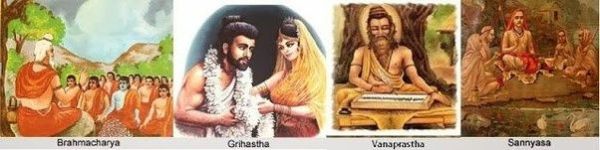
1. Fundamental Duty and Moral Compass:
Dharma is primarily understood as one’s fundamental duty and moral obligation within the cosmic order. It is rooted in the belief that the universe functions according to certain laws, both physical and ethical, and individuals must adhere to these principles to maintain harmony. Dharma governs a wide spectrum of actions, from personal conduct to social responsibilities.
2. Ethical Guidelines:
Dharma provides ethical guidelines that assist individuals in making decisions that align with the principles of truthfulness, non-violence, compassion, and justice. It encourages individuals to engage in virtuous actions, such as charity, helping others, and respecting all forms of life. By adhering to dharma, Hindus strive to live ethical and meaningful lives.
3. Social Harmony and Order:
Dharma plays a vital role in maintaining social harmony and order within Hindu society. It outlines the duties and responsibilities of individuals within their families, communities, and the wider社会. By adhering to dharma, individuals contribute to the well-being and stability of society as a whole.
4. Spiritual Growth and Liberation:
Dharma is closely intertwined with spiritual growth and liberation in Hinduism. By fulfilling their dharma, individuals accumulate positive karma and purify their souls. This process gradually leads to the realization of the true nature of reality and the ultimate goal of moksha, or liberation from the cycle of rebirth.
5. Karma and Consequences:
Dharma is closely linked to the concept of karma, which refers to the law of cause and effect. Individuals who follow dharma accumulate positive karma, while those who deviate from it face negative consequences. This principle reinforces the importance of ethical behavior and encourages individuals to strive for righteousness in their actions.
6. Caste and Dharma:
In traditional Hindu society, the concept of caste is closely associated with dharma. Different castes have their own specific duties and responsibilities that are believed to be ordained by God. However, the emphasis on dharma is ultimately on the individual’s behavior and adherence to ethical principles, regardless of their caste.
7. Dharma in Daily Life:
Dharma permeates all aspects of Hindu daily life. Hindus are expected to follow dharma in their relationships, work, education, and even in their personal habits. By incorporating dharma into their daily routines, individuals strive to live in accordance with the highest moral principles.
Conclusion:
Dharma is an indispensable concept in Hinduism that provides a comprehensive framework for ethical conduct, social harmony, and spiritual growth. Its emphasis on duty, righteousness, and compassion guides individuals towards a life of meaning and fulfillment. By adhering to dharma, Hindus strive to live in harmony with the universe, contribute to the well-being of society, and ultimately achieve their spiritual potential.## The Significance Of Dharma In Hinduism
Executive Summary
Dharma, a fundamental concept in Hinduism, encompasses moral and ethical principles that guide individuals’ actions, leading to a harmonious society and spiritual evolution. Understanding its profound significance helps navigate life’s complexities, fostering personal and societal well-being.
Introduction
Dharma, meaning “righteousness” or “duty,” is central to Hinduism, shaping the daily lives and spiritual journeys of its adherents. It provides a framework for ethical conduct, righteous living, and the fulfillment of one’s purpose. By adhering to Dharma, Hindus aim to create a society based on truth, justice, and compassion.
FAQs
-
What is the primary objective of Dharma?
Dharma seeks to establish a harmonious balance between the individual, society, and the divine, guiding individuals toward righteousness and spiritual liberation.
-
How does Dharma manifest in individual lives?
It guides individuals in fulfilling their duties and responsibilities towards family, society, and the environment, promoting self-discipline, compassion, and integrity.
-
What are the consequences of violating Dharma?
Adherence to Dharma brings positive outcomes, while its violation leads to negative consequences, both in this life and the afterlife, according to Hindu beliefs.
Subtopics
1. Ethical Values
- Nonviolence (Ahimsa): Emphasizes respect for all living beings and the avoidance of harm.
- Truthfulness (Satya): Encourages honesty, integrity, and transparency in speech and actions.
- Non-stealing (Asteya): Prohibits theft, deceit, and the misappropriation of others’ possessions.
2. Social Responsibility
- Respect for Elders (Guru): Mandates respect, reverence, and obedience towards teachers, elders, and those with knowledge.
- Fulfillment of Duties (Varna Dharma): Defines the roles and responsibilities of individuals based on their social caste and life stage.
- Protection of the Environment: Encourages the conservation and preservation of nature, considering it a sacred aspect of the divine.
3. Spiritual Practices
- Meditation (Dhyana): Promotes self-reflection, concentration, and the connection with the divine.
- Yoga: Emphasizes physical, mental, and spiritual disciplines that aid in self-realization and liberation.
- Karma and Reincarnation: Explains the cycle of actions and consequences and the belief in multiple lives for spiritual evolution.
4. Ethical Dilemmas
- Dharma in Complex Situations: Guides individuals in navigating ethical challenges by considering multiple perspectives and seeking the path of righteousness.
- Dharma and Personal Desire: Encourages the balance between personal desires and societal responsibilities.
- Dharma in a Changing World: Addresses the evolution of Dharma over time and its adaptability to modern contexts.
5. Dharma and Spirituality
- Path to Liberation (Moksha): Dharma is considered a means to spiritual liberation, breaking the cycle of rebirth and attaining unity with the divine.
- Dharma and Karma: Defines the interconnectedness between actions and consequences, highlighting the importance of ethical conduct.
- Dharma as a Personal Journey: Recognizes the unique Dharma for each individual, based on their karma and life experiences.
Conclusion
Dharma, the guiding principle of Hinduism, offers a comprehensive framework for ethical and spiritual living. By understanding and embracing its significance, individuals can navigate life’s complexities, promote societal harmony, and progress on their spiritual journeys. Dharma empowers Hindus to live a life of purpose, compassion, and fulfillment.
Keyword Tags
- Dharma
- Hinduism
- Ethics
- Social Responsibility
- Spirituality