Yoga Sutras: The Path to Spiritual Enlightenment
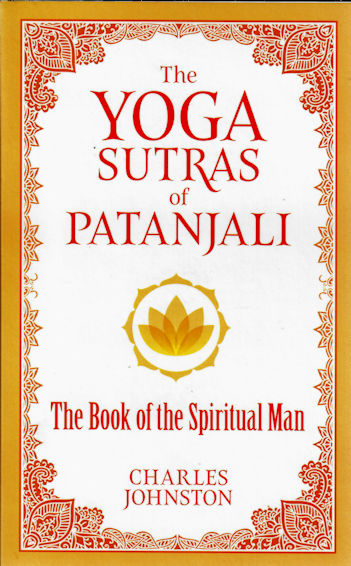
The Yoga Sutras of Patanjali is an ancient text that outlines the path to spiritual enlightenment through the practice of yoga. Written by the sage Patanjali, the sutras are a collection of 196 aphorisms that provide a roadmap for spiritual development.
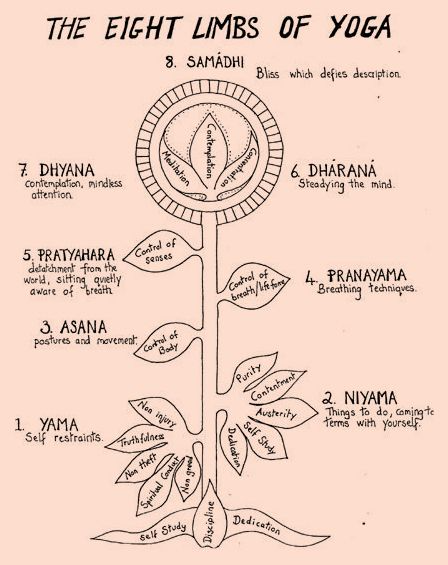
The Yoga Sutras are divided into four chapters:

- Samadhi Pada: This chapter introduces the concept of samadhi, the ultimate state of consciousness, and outlines the eight limbs of yoga.
- Sadhana Pada: This chapter describes the practices of yoga, including asana (physical postures), pranayama (breath control), and meditation.
- Vibhuti Pada: This chapter discusses the powers and abilities that can be developed through the practice of yoga.
- Kaivalya Pada: This chapter describes the state of liberation, or kaivalya, the ultimate goal of yoga.
The Yoga Sutras are a profound and timeless text that has inspired countless seekers on the path to spiritual enlightenment. The sutras provide a practical and comprehensive roadmap for spiritual development, and they continue to be studied and practiced by yogis around the world.
The Eight Limbs of Yoga
The eight limbs of yoga, as outlined in the Yoga Sutras, are:
- Yama: Moral restraints, such as non-violence, truthfulness, and non-stealing.
- Niyama: Personal observances, such as purity, contentment, and self-discipline.
- Asana: Physical postures.
- Pranayama: Breath control.
- Pratyahara: Sense withdrawal.
- Dharana: Concentration.
- Dhyana: Meditation.
- Samadhi: Enlightenment.
The eight limbs of yoga are not meant to be practiced in a linear fashion. Rather, they are a holistic system that supports the development of the whole person. The practice of asana and pranayama, for example, helps to purify the body and mind, while the practice of meditation helps to cultivate inner peace and clarity.
The Goal of Yoga
The ultimate goal of yoga is samadhi, the state of pure consciousness. Samadhi is a state of complete absorption and unity, in which the mind is free from all distractions and the individual experiences a profound sense of peace and joy.
Samadhi is not an easy state to achieve, but it is the ultimate goal of all spiritual seekers. The Yoga Sutras provide a roadmap for the journey to samadhi, and they offer a wealth of wisdom and guidance for those who seek to walk the path of spiritual enlightenment.# Yoga Sutras: The Path to Spiritual Enlightenment
Executive Summary
The Yoga Sutras are an invaluable spiritual text that outlines the path to inner peace, self-discovery, and spiritual enlightenment. This comprehensive guide provides practical techniques and insights that empower individuals to cultivate physical, mental, and spiritual well-being.
Introduction
The Yoga Sutras, authored by the ancient sage Patanjali, are a profound and enduring set of teachings that delve into the nature of the mind, the body, and the universe. Composed of 195 aphorisms, or sutras, these wisdom-filled verses offer a multifaceted approach to yoga, encompassing physical postures, breathing exercises, meditation techniques, and ethical principles.
FAQs
- What are the main benefits of practicing yoga? Physical and mental health improvements, increased self-awareness, and spiritual growth.
- Is yoga accessible to people of all ages and abilities? Yes, yoga can be adapted to suit varying needs and limitations.
- How often should I practice yoga to see results? Regular practice, even a few times per week, can lead to noticeable benefits.
Key Subtopics
Yama and Niyama: Ethical Principles
- Ahimsa (non-violence): Compassion and kindness towards all beings.
- Satya (truthfulness): Integrity and honesty in words and actions.
- Asteya (non-stealing): Respect for the property and belongings of others.
- Brahmacharya (continence): Conservation of energy and vitality.
- Aparigraha (non-possessiveness): Detachment from material desires.
Asana: Physical Postures
- Tadasana (Mountain Pose): A foundational standing posture that promotes grounding and stability.
- Vriksasana (Tree Pose): Balances and strengthens the core while improving focus.
- Utkatasana (Chair Pose): Strengthens the legs and thighs, improving mobility.
- Adho Mukha Svanasana (Downward-Facing Dog): Inverts the body, relieving stress and tension.
- Savasana (Corpse Pose): Promotes relaxation and deep rest.
Pranayama: Breathing Techniques
- Ujjayi (Victorious Breath): Controlled breathing that calms the mind and body.
- Kapalabhati (Skull-Shining Breath): Purifies and energizes the body through rapid exhalations.
- Nadi Shodhana (Alternate Nostril Breathing): Balances the nervous system by alternating breathing through each nostril.
- Bhastrika (Bellows Breath): Stimulating and energizing breathing technique.
- Pranayama (Breath Control): Mastery over the breath, leading to increased awareness and tranquility.
Pratyahara: Withdrawal of the Senses
- Sense withdrawal: Turning inward to reduce distraction and promote self-inquiry.
- Mindfulness: Attentive observation of thoughts and experiences without judgment.
- Meditation: Concentrating on a single point to cultivate inner peace.
- Samadhi: The ultimate state of consciousness, characterized by profound unity and bliss.
- Clarity: Improved decision-making and enhanced understanding.
Dhyana and Samadhi: Meditation and Enlightenment
- Dhyana (Meditation): Focused contemplation and the practice of mindfulness.
- Samadhi (Enlightenment): The culmination of yoga practice, characterized by pure consciousness and transcendence.
- Reduced stress and anxiety: Promotes relaxation and emotional well-being.
- Increased self-awareness: Deepens understanding of oneself and one’s place in the world.
- Enhanced empathy and compassion: Fosters a compassionate and interconnected worldview.
Conclusion
The Yoga Sutras provide a comprehensive roadmap for spiritual enlightenment and personal transformation. By embracing the ethical principles, physical practices, breathing techniques, and meditative practices outlined in the sutras, individuals can cultivate a deeper connection to themselves, others, and the divine. Through persistent practice and introspection, the Yoga Sutras empower us to reach our full potential, leading to a life of harmony, purpose, and profound fulfillment.
Keyword Tags
- Yoga Sutras
- Patanjali
- Spiritual Enlightenment
- Yoga Philosophy
- Personal Transformation