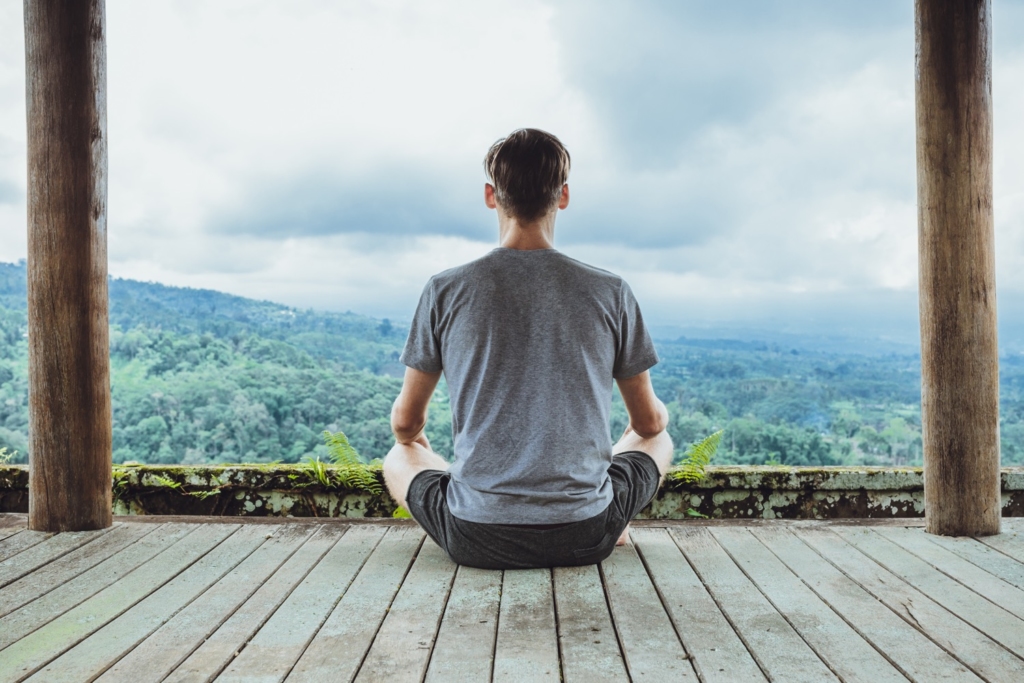
Understanding Raja Yoga: The Art of Meditation
Raja Yoga, also known as the “royal path of yoga,” is a comprehensive system of meditation that aims to lead practitioners to spiritual enlightenment. This ancient practice, rooted in India, involves harnessing the mind’s powers through physical and mental disciplines to achieve a state of deep concentration and inner tranquility.
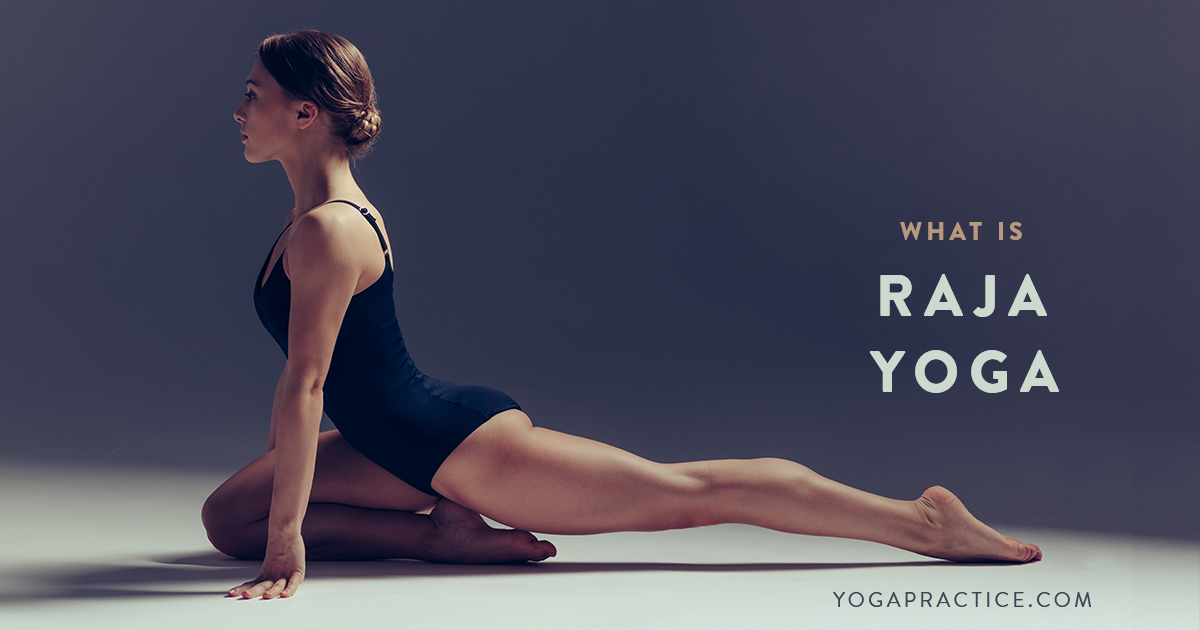
Raja Yoga: The Eight Limbs
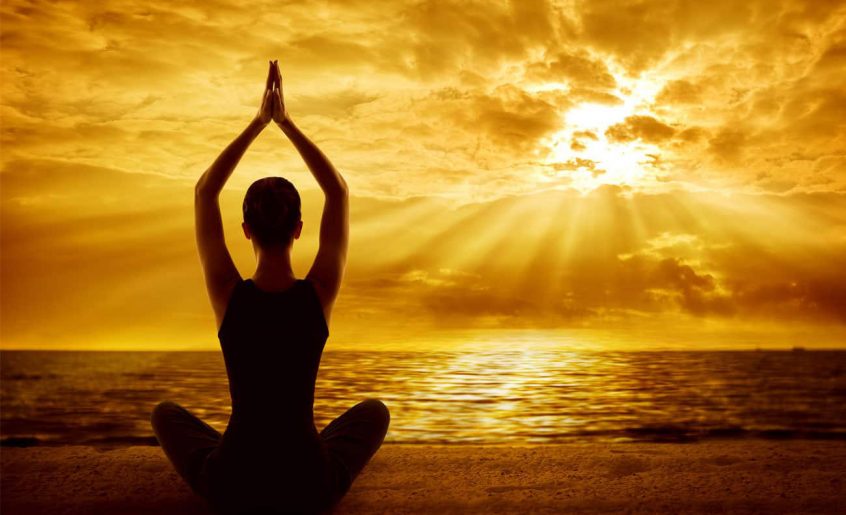
Raja Yoga consists of eight limbs, which form a structured and progressive path to spiritual realization:
-
Yama (Ethical Conduct): Adhering to moral principles such as non-violence, truthfulness, and non-stealing.
-
Niyama (Observances): Practicing self-discipline, purity, contentment, and self-study.
-
Asana (Posture): Maintaining stable and comfortable physical postures during meditation.
-
Pranayama (Breath Control): Regulating the breath to control the mind and enhance focus.
-
Pratyahara (Sense Withdrawal): Turning the senses inward to disconnect from external distractions.
-
Dharana (Concentration): Focusing the mind on a single object or thought.
-
Dhyana (Meditation): Maintaining uninterrupted concentration and transcending the fluctuations of the mind.
-
Samadhi (Enlightenment): Achieving a state of pure consciousness and unity with the divine.
Benefits of Raja Yoga
Regular practice of Raja Yoga offers numerous benefits, including:
- Reduced stress and anxiety
- Improved sleep quality
- Enhanced mental clarity and focus
- Increased self-awareness and emotional regulation
- Spiritual awakening and a deeper connection to the higher self
How to Practice Raja Yoga
To practice Raja Yoga effectively, follow these steps:
-
Establish a Regular Practice: Aim for a daily routine of at least 30 minutes of meditation.
-
Find a Quiet Place: Choose a location free from distractions where you can sit comfortably.
-
Adopt a Comfortable Posture: Sit in a crossed-legged position, keeping your spine straight and your head lifted.
-
Focus on Your Breath: Close your eyes and gently inhale and exhale, observing the natural flow of your breath.
-
Observe Your Mind: Notice the thoughts and emotions that arise without judgment.
-
Return to the Breath: Whenever your mind wanders, gently bring it back to your breath.
-
Expand Your Focus: Gradually extend your concentration beyond your breath to include your body, the surrounding space, and ultimately the entire universe.
Advanced Practices
As you progress in your Raja Yoga practice, you may explore advanced techniques such as:
- Mantra Meditation: Using a specific word or phrase to focus the mind and induce relaxation.
- Visualization: Creating mental images to guide your thoughts and expand your perspective.
- Kundalini Yoga: Awakening the dormant energy at the base of the spine to achieve spiritual liberation.
Remember: Raja Yoga is a gradual and transformative journey. Patience and perseverance are key to experiencing its profound benefits. With consistent practice, you can harness the power of your mind, cultivate inner peace, and ascend the spiritual path.## The Art Of Meditation: Understanding Raja Yoga
Executive Summary
Raja Yoga, an ancient Indian philosophy, offers a comprehensive system for mental and spiritual development through meditation. This article explores the principles and practices of Raja Yoga, providing insights into its profound benefits for personal growth and well-being.
Introduction
Meditation has been practiced for centuries across various cultures as a means of self-discovery and enlightenment. Among the many paths to meditation, Raja Yoga, or “royal union,” stands out as a holistic approach that integrates the body, mind, and spirit. In this article, we delve into the essence of Raja Yoga, exploring its principles, practices, and transformative potential.
FAQs
Q: What is the goal of Raja Yoga?
A: Raja Yoga aims to achieve union with the Divine through meditation and self-realization, leading to a state of profound inner peace, clarity, and enlightenment.
Q: Is Raja Yoga only for experienced meditators?
A: No, Raja Yoga can be practiced by individuals of all experience levels. Its progressive approach allows beginners to start with basic techniques and gradually advance to more advanced practices.
Q: How often should I meditate to experience the benefits of Raja Yoga?
A: Regular practice is essential. Aim to meditate for at least 15-30 minutes twice a day, preferably in the morning and evening. Consistency is key to cultivating a deep and lasting meditation practice.
Subtopics of Raja Yoga
Ashtanga Yoga
- Yamas (Ethical Principles): Non-violence, truthfulness, non-stealing, non-sensuality, non-possessiveness
- Niyamas (Personal Observances): Cleanliness, contentment, austerity, study, devotion
- Asana (Physical Postures): Maintaining stability and comfort in various postures to prepare the body for meditation
- Pranayama (Breath Control): Regulating breath to calm the mind and balance energy
- Pratyahara (Sense Withdrawal): Directing the senses inward to reduce distractions and enhance concentration
Samadhi Yoga
- Dharana (Concentration): Focusing the mind on a single object or thought
- Dhyana (Meditation): Sustaining concentration without effort or distraction
- Samadhi (Enlightenment): A state of pure consciousness, where the mind dissolves into the object of meditation
Karma Yoga
- Selfless Service: Engaging in actions without attachment to the fruits of labor, leading to spiritual purification
- Ethical Conduct: Adhering to principles of honesty, integrity, and compassion in all activities
- Renunciation of Selfish Desires: Letting go of personal attachments and ego-driven motives to foster a selfless and compassionate nature
Jnana Yoga
- Study of Sacred Texts: Exploring ancient wisdom and spiritual teachings through the study of scriptures and philosophical texts
- Reflection and Inquiry: Contemplating the nature of reality and seeking knowledge through deep reflection and questioning
- Discrimination: Distinguishing between the true and the false, the eternal and the transient, to gain a deeper understanding of life
Bhakti Yoga
- Devotion to the Divine: Cultivating a loving relationship with the Divine through prayer, chanting, and spiritual practices
- Surrender: Releasing control and surrendering to a higher power, recognizing the limitations of the ego
- Selfless Love: Extending compassion and unconditional love to all beings, fostering unity and harmony
Conclusion
Raja Yoga is a transformative path that empowers individuals to cultivate mindfulness, self-awareness, and spiritual growth. Through its progressive system of practices, Raja Yoga provides a roadmap for integrating physical, mental, and spiritual disciplines to achieve profound and lasting well-being. By embracing the principles and practices of Raja Yoga, we can unlock the transformative power within ourselves, leading to a fulfilling and enlightened life.
Keyword Tags
- Raja Yoga
- Meditation
- Enlightenment
- Self-Realization
- Personal Growth