
The Hindu Concept of Karma: Understanding the Law of Cause and Effect
The concept of karma is central to Hinduism and plays a significant role in shaping the beliefs and practices of its adherents. Karma, derived from the Sanskrit word “kri,” meaning “action,” refers to the law of cause and effect that governs all aspects of life.
The Nature of Karma:
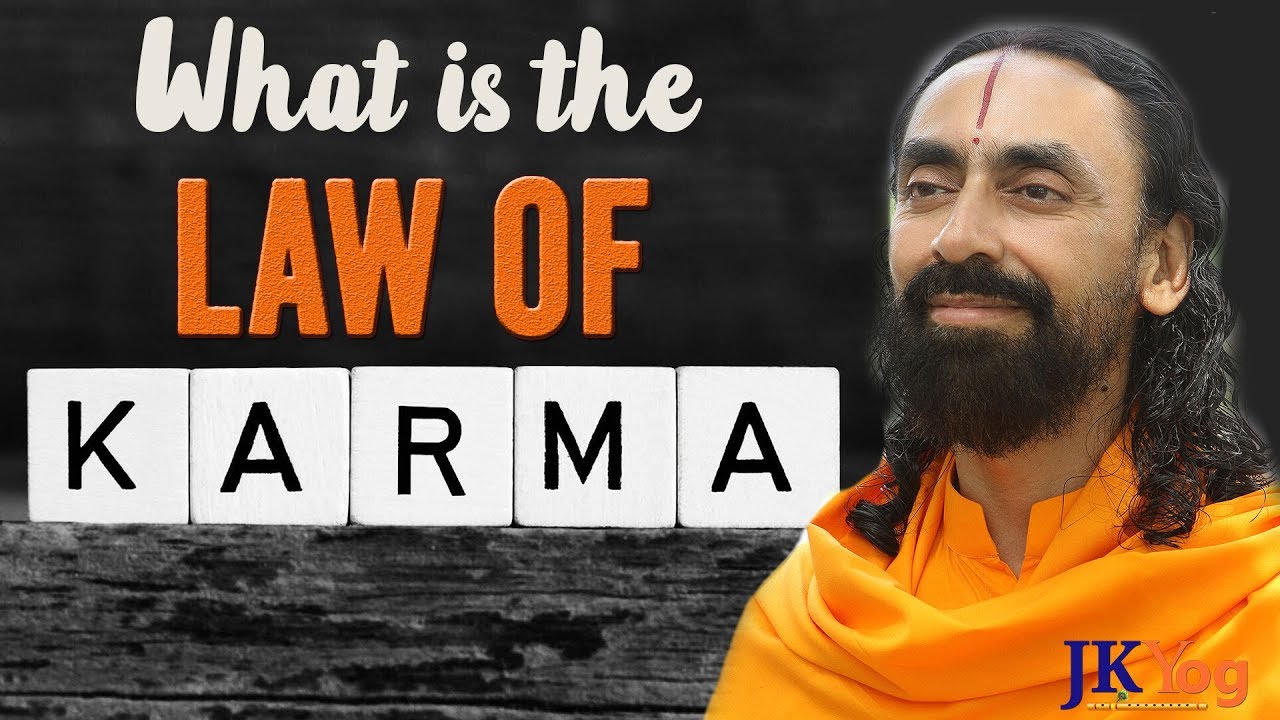
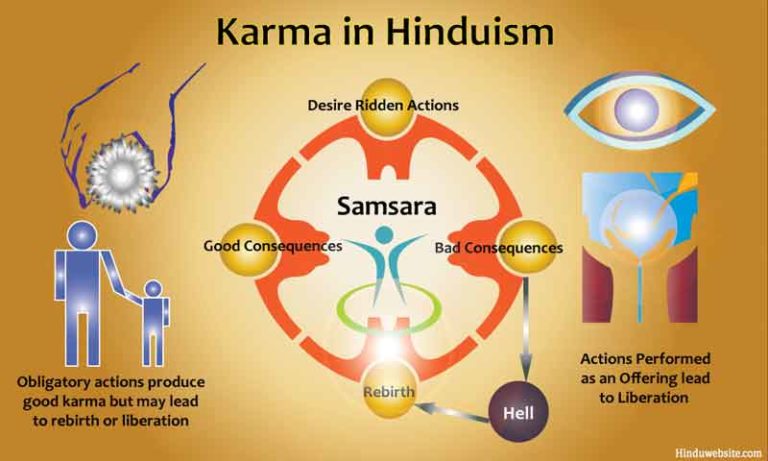
Karma is an invisible and universal force that operates on both an individual and collective level. Every action, thought, and word creates a repercussion that shapes the future. Good actions produce positive consequences, while negative actions result in negative consequences.
Types of Karma:
Hinduism categorizes karma into three main types:
- Sanchita Karma: The accumulated karma from all previous lives that determines one’s present existence.
- Prarabdha Karma: The portion of Sanchita Karma that is responsible for the current life’s experiences.
- Kriyamana Karma: The actions performed in the present life that create karma for the future.
The Law of Karma:
The law of karma operates on the principle of cause and effect, where every action has an equal and opposite reaction. This means that the consequences of one’s actions will inevitably return to them, either in this life or in subsequent reincarnations.
Breaking the Cycle of Karma:
While the law of karma governs all actions, it does not dictate one’s destiny. Through spiritual practices and righteous conduct, individuals can break the cycle of karma and attain liberation from its consequences.
Key Aspects of Karma:
- Karma is not punishment or retribution. It is a natural law that guides the evolution of souls.
- Karma affects both physical and mental experiences, including health, relationships, and emotional well-being.
- Individuals have the power to shape their karma through their actions and intentions.
- The concept of karma extends beyond human beings to encompass all living entities.
- Karma operates over multiple lifetimes, providing opportunities for learning and growth.
Practical Implications:
The understanding of karma has a profound impact on Hindu beliefs and practices. It:
- Encourages ethical behavior and responsible actions.
- Fosters compassion and empathy towards others.
- Provides solace and hope during challenging times.
- Inspires individuals to strive for spiritual enlightenment and liberation from karma’s cycle.
Conclusion:
The concept of karma in Hinduism offers a comprehensive understanding of the law of cause and effect. It emphasizes the importance of ethical living, personal responsibility, and spiritual evolution. Understanding karma enables individuals to navigate the challenges and opportunities of life with greater awareness, compassion, and a sense of purpose.## The Hindu Concept Of Karma: Understanding The Law Of Cause And Effect
Executive Summary
Karma is a central concept in Hinduism that refers to the law of cause and effect. According to this principle, every action, whether physical or mental, has a corresponding reaction. Positive actions lead to positive outcomes, while negative actions result in negative consequences. Karma is believed to be a self-perpetuating cycle that can only be broken through spiritual enlightenment.
Introduction
The concept of karma is deeply ingrained in the Hindu religion and philosophy. It is believed that every individual is responsible for their own actions and the consequences that flow from them. There is no external force or entity that determines one’s fate; rather, it is one’s own deeds that shape their destiny.
FAQs
Q: What is the purpose of karma?
A: Karma is intended to teach individuals the consequences of their actions and help them learn from their mistakes. It is a way of promoting spiritual growth and evolution.
Q: Can karma be changed?
A: Karma can be modified through conscious effort and spiritual practices. By engaging in positive actions and cultivating good intentions, one can mitigate the negative effects of past actions.
Q: What is the relationship between karma and reincarnation?
A: Karma is believed to carry over from one life to the next. The actions and experiences of a person in this life will influence their circumstances and experiences in future lives.
Subtopics
1. Types of Karma
- Sanchita Karma: The accumulated karma from past lives that determines an individual’s current circumstances.
- Prarabdha Karma: The portion of sanchita karma that is currently being experienced in this life.
- Kriyamana Karma: The karma being created in the present moment through one’s actions.
2. The Law of Karma
- Law of Causality: Every action has a corresponding reaction.
- Law of Proportionality: The severity of the consequence is proportional to the severity of the action.
- Law of Impartiality: Karma is not influenced by external factors such as caste, gender, or wealth.
3. Karma and Free Will
- Free Will: Individuals have the freedom to choose their actions.
- Responsibility: Individuals are responsible for the consequences of their actions.
- Spiritual Freedom: Through spiritual enlightenment, one can transcend the cycle of karma and achieve liberation.
4. Karma and Suffering
- Suffering as a Consequence: Suffering can be a result of negative karma from past actions.
- Suffering as a Path to Growth: Suffering can also provide opportunities for learning and spiritual growth.
- Transcending Suffering: By accepting karma and learning from it, one can overcome suffering and achieve inner peace.
5. Karma and Spiritual Evolution
- Spiritual Practices: Engaging in spiritual practices can help mitigate negative karma and accumulate positive karma.
- Role of Meditation: Meditation helps cultivate mindfulness and awareness, which can lead to more positive actions.
- Attaining Enlightenment: By breaking the cycle of karma, one can attain spiritual enlightenment and liberation.
Conclusion
The Hindu concept of karma is a profound and complex one that teaches the importance of personal responsibility and the interconnectedness of all actions. By understanding the law of karma, individuals can strive to live ethical and compassionate lives, creating positive outcomes for themselves and others. Through spiritual practices and self-awareness, it is possible to transcend the cycle of karma and achieve true liberation.
Keyword Tags
- Karma
- Law of Cause and Effect
- Hinduism
- Spiritual Growth
- Reincarnation