The Hindu Concept of Samsara: The Cycle of Birth, Death, and Rebirth
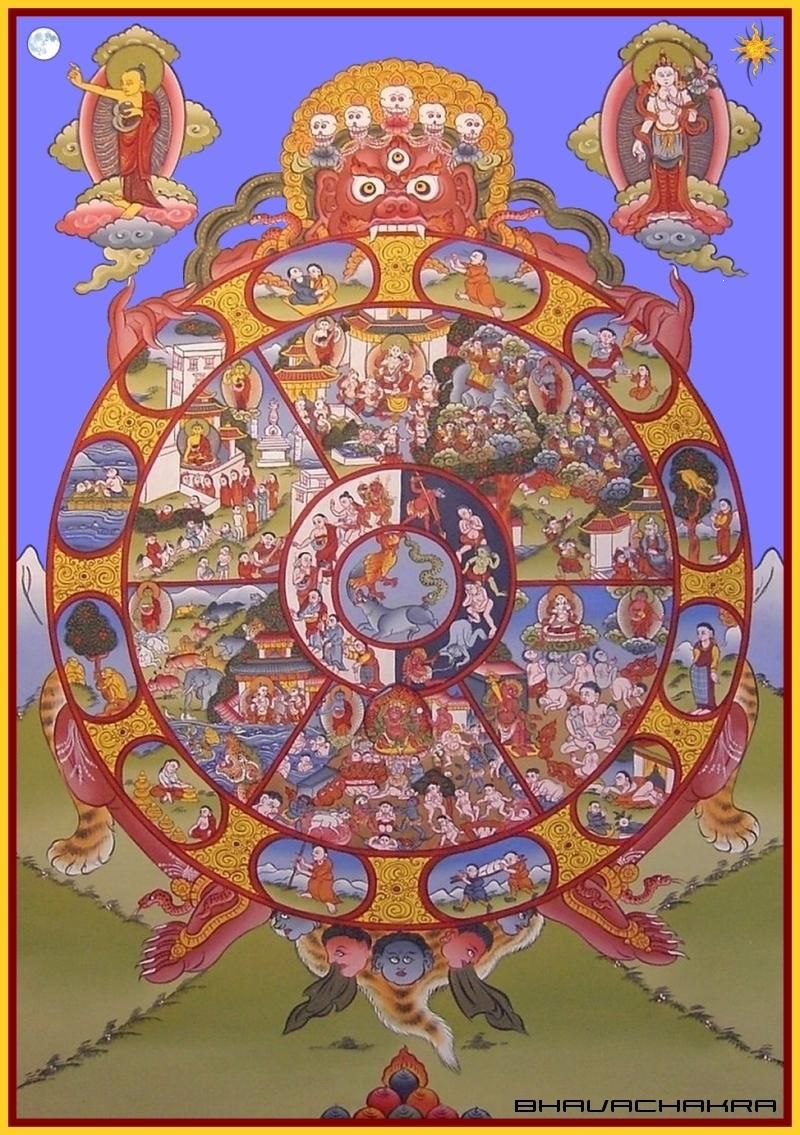
Samsara is a fundamental concept in Hinduism, referring to the cycle of birth, death, and rebirth that all living beings experience. It is believed that the cycle continues until all karma, or past actions, have been exhausted and one achieves moksha, or liberation from the cycle.
Elements of Samsara
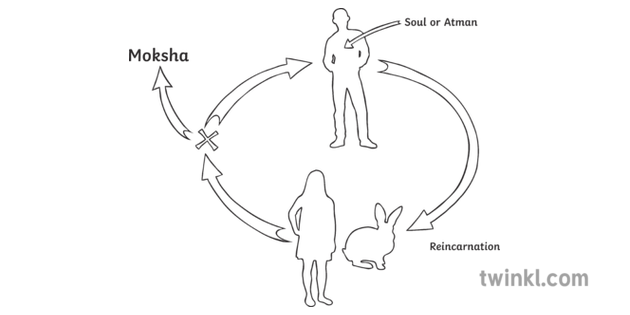
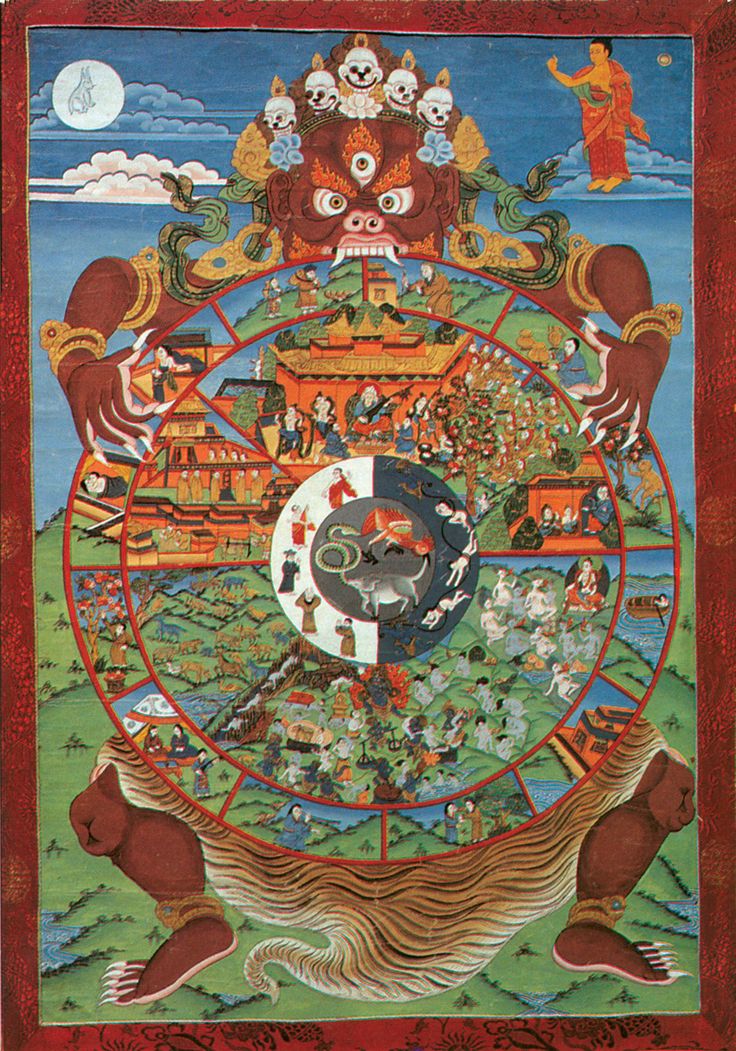
Samsara is comprised of three main elements:
- Birth: The process of being born into a physical body.
- Death: The process of leaving the physical body at the end of a lifespan.
- Rebirth: The process of being reborn into a new physical body after death.
The Cycle
The cycle of samsara is driven by karma. Karma refers to the actions and intentions of an individual in this and past lives that determine their experiences in future lives. Good karma leads to favorable circumstances, while bad karma leads to unfavorable circumstances.
The type of body one is reborn into is also determined by karma. According to Hinduism, there are four main categories of birth: human, animal, plant, and celestial. The specific body depends on the accumulated karma of the individual.
The Goal of Liberation
The ultimate goal for many Hindus is to break free from the cycle of samsara and achieve moksha. Moksha is a state of liberation from all suffering and limitations, where the individual attains unity with the divine.
Breaking the Cycle
There are various paths to break the cycle of samsara, including:
- Dharma: Living a virtuous and righteous life in accordance with one’s duty and responsibilities.
- Karma Yoga: Engaging in selfless service and actions, without attachment to the results.
- Jnana Yoga: The path of knowledge and self-realization, through which one understands the true nature of reality.
- Bhakti Yoga: The path of devotion to God or a deity, which fosters love and surrender.
Conclusion
The concept of samsara is a key principle in Hinduism, emphasizing the interconnectedness of all living beings and the importance of ethical actions and spiritual development. By breaking the cycle of samsara and achieving moksha, individuals can attain a state of liberation and ultimate realization.## The Hindu Concept Of Samsara: The Cycle Of Birth, Death, And Rebirth
Executive Summary
Samsara, a fundamental concept in Hinduism, refers to the continuous cycle of birth, death, and rebirth. This cycle is driven by karma, the sum of one’s actions and their consequences. Samsara is not inherently negative but offers opportunities for spiritual growth and liberation. Understanding Samsara provides insight into the nature of existence and the path to enlightenment.
Introduction
Samsara, the concept of rebirth, is a core principle in Hinduism. It describes the continuous cycle of birth, death, and rebirth that individuals experience until they attain moksha, liberation from this cycle. Samsara is a complex concept with various interpretations, but its essence lies in the belief that actions (karma) influence future experiences and ultimately determine the nature of one’s rebirth.
FAQs
- What is the ultimate goal in Samsara?
- Moksha, liberation from the cycle of rebirth and attainment of spiritual enlightenment.
- How does karma influence Samsara?
- Karma determines the quality of one’s rebirth, as positive actions lead to favorable circumstances in future lives, and negative actions result in challenges.
- Can one escape Samsara?
- Yes, through spiritual practices, ethical living, and detachment from worldly desires, one can break the cycle of rebirth and achieve moksha.
Subtopics
Karma and Samsara
- Karma: Actions and their consequences that shape one’s destiny.
- Sanchita Karma: The cumulative karma from past lives that determines the present circumstances.
- Prarabdha Karma: The portion of Sanchita Karma that manifests in the current life.
- Kriyamana Karma: Actions performed in the present life that will influence future rebirths.
- Vipaka: The fruits of karma, both positive and negative, that shape experiences in life.
The Four Aims Of Life
- Dharma: Righteousness, duty, and ethical behavior.
- Artha: Material wealth and prosperity.
- Kama: Fulfillment of desires and enjoyment of life.
- Moksha: Liberation from the cycle of rebirth and attainment of spiritual enlightenment.
The Three Gunas
- Sattva: Purity, harmony, and clarity.
- Rajas: Passion, activity, and desire.
- Tamas: Inertia, ignorance, and darkness.
- These qualities influence one’s actions and desires, shaping the nature of one’s rebirth.
- Maintaining balance among the Gunas is crucial for spiritual growth.
The Role Of Rebirth
- Reincarnation: The soul’s transmigration into a new body after death.
- Past-Life Memories: Individuals may have glimpses of their past lives, influencing present beliefs and behaviors.
- Purpose Of Rebirth: Each rebirth provides opportunities for growth, learning, and karmic resolution.
- Liberation From Rebirth: By understanding the nature of Samsara and cultivating spiritual qualities, one can break the cycle of rebirth.
The Path To Moksha
- Self-Realization: Understanding the true nature of the self beyond the limitations of the body and mind.
- Detachment: Releasing attachment to worldly possessions, desires, and ego.
- Devotion: Cultivating a deep connection with the divine.
- Meditation: Practices that calm the mind, promote self-awareness, and facilitate spiritual growth.
- Karma Yoga: Selfless action performed without attachment to the fruits of labor.
Conclusion
Samsara, the cycle of birth, death, and rebirth, is a profound concept that offers valuable insights into the nature of existence and the path to enlightenment. By understanding the principles of Samsara, karma, and the four aims of life, individuals can navigate the challenges of repeated rebirth and ultimately achieve spiritual liberation.
Keyword Tags
- Samsara
- Hinduism
- Karma
- Rebirth
- Moksha