Empowering the Divine Feminine: Exploring the Goddesses of Hindu Mythology
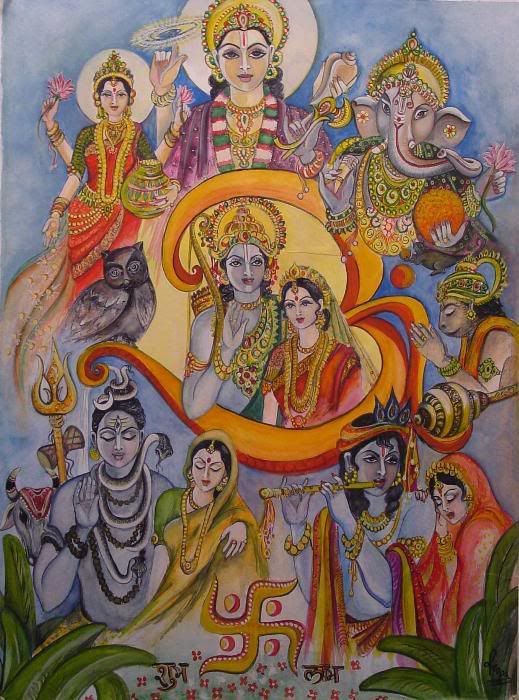
Hindu mythology is a rich tapestry of stories, characters, and philosophies that have captivated imaginations for centuries. Among its most compelling and iconic figures are the goddesses, who represent various aspects of the divine feminine. These goddesses embody power, wisdom, compassion, and creativity, inspiring countless devotees to seek their blessings and guidance.
Durga: The Warrior Goddess

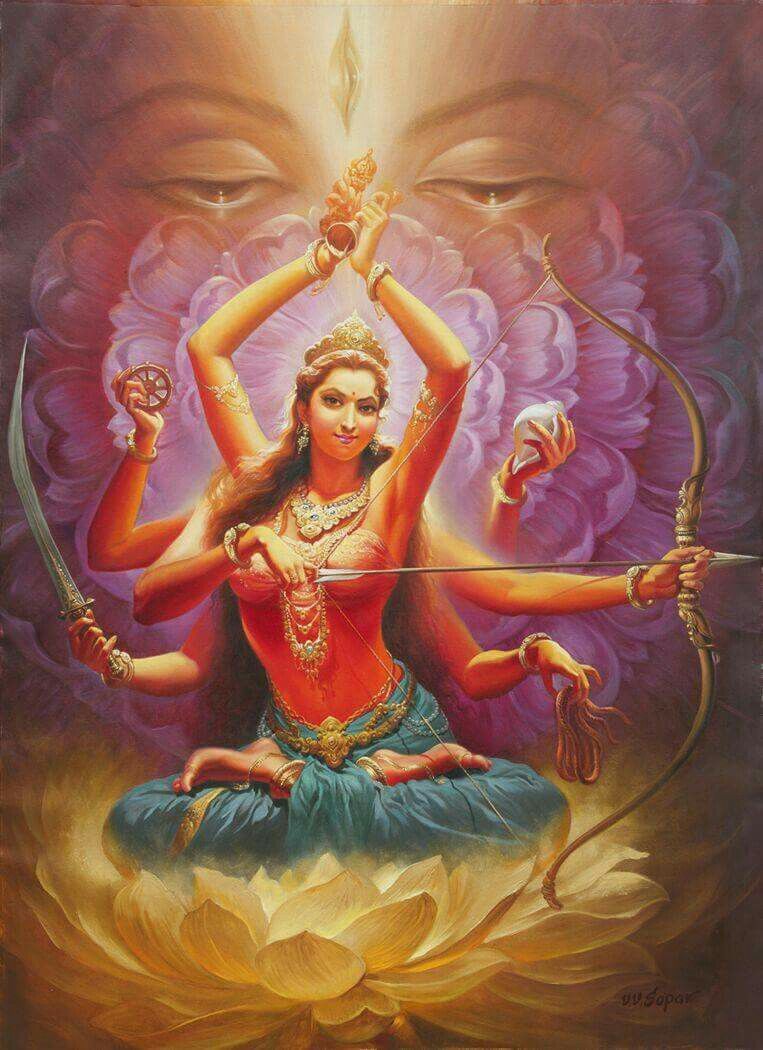
Durga is the fierce and protective goddess who embodies the victory of good over evil. She is often depicted as riding a tiger, armed with multiple weapons, and slaying demons. Durga represents the power and courage of the feminine, empowering her devotees to overcome adversity and stand up for what is right.
Lakshmi: The Goddess of Wealth and Prosperity
Lakshmi is the goddess of wealth, prosperity, and good fortune. She is often associated with elephants, lotus flowers, and gold. Lakshmi represents the abundance and blessings of the universe, inspiring her devotees to work hard, create wealth, and enjoy the fruits of their labor.
Saraswati: The Goddess of Knowledge and Arts
Saraswati is the goddess of knowledge, music, and the arts. She is often depicted as playing the veena, a stringed instrument. Saraswati represents the power of intellect, creativity, and education, inspiring her devotees to pursue knowledge, develop their talents, and express themselves through the arts.
Parvati: The Goddess of Love and Devotion
Parvati is the consort of Lord Shiva and the embodiment of love, devotion, and fertility. She is often depicted as the epitome of beauty and grace. Parvati represents the transformative power of love, inspiring her devotees to nurture relationships, cultivate compassion, and find inner peace.
Kali: The Goddess of Time and Transformation
Kali is the goddess of time, death, and destruction. She is often depicted as a fierce and bloodthirsty figure. However, Kali also represents the power of transformation and renewal. She embodies the cycle of life and death, inspiring her devotees to embrace change, let go of the past, and realize their spiritual potential.
Significance of the Goddesses
The goddesses of Hindu mythology are not mere abstract concepts but powerful beings that inspire and empower their devotees. They represent the various aspects of the divine feminine, reminding us of the importance of strength, wisdom, creativity, love, and transformation. By worshiping and connecting with these goddesses, we can tap into their energy and manifest their qualities in our own lives.
Conclusion
The goddesses of Hindu mythology are a testament to the enduring power and diversity of the divine feminine. They empower us to embrace our own strength, wisdom, creativity, and compassion. By honoring and learning from these goddesses, we can cultivate a more balanced and fulfilling life, both spiritually and materially.## [Empowering The Divine Feminine: Exploring The Goddesses Of Hindu Mythology]
Executive Summary
Hindu mythology, a tapestry of captivating tales and timeless wisdom, holds a profound reverence for the divine feminine. The goddesses of this ancient tradition embody the multifaceted nature of the divine, inspiring awe, devotion, and a deeper understanding of our human potential. This article delves into the enchanting realm of Hindu goddesses, exploring their unique attributes, symbolism, and the profound impact they continue to have on our lives and culture.
Introduction
Hindu mythology is a treasure trove of stories and characters that have captivated the hearts and minds of people for centuries. At the heart of this rich tradition lies a deep reverence for the divine feminine, embodied by a pantheon of powerful and enigmatic goddesses. These goddesses represent various aspects of the divine, from creation and destruction to love and wisdom.
FAQ
FAQ 1: What is the significance of goddesses in Hindu mythology?
Goddesses in Hindu mythology hold significant power and influence. They represent the different aspects of the divine feminine, embodying creativity, fertility, protection, and wisdom.
FAQ 2: How do goddesses relate to the concept of Shakti?
Shakti, a Sanskrit term meaning “power” or “energy,” is closely associated with goddesses in Hindu mythology. Goddesses are often seen as manifestations of Shakti, the active and dynamic force of the divine.
FAQ 3: What are some examples of popular goddesses in Hindu mythology?
Hindu mythology features a vast array of goddesses, each with unique attributes and stories. Some of the most well-known goddesses include Lakshmi, Saraswati, Durga, Kali, and Parvati.
Goddesses of Hindu Mythology
Lakshmi: Goddess of Wealth and Prosperity
- Symbolism: Gold coins, lotus flower, owl
- Attributes: Prosperity, abundance, beauty, good fortune
- Importance: Lakshmi is worshipped for material wealth, success, and overall well-being.
- Story: Lakshmi emerged from the churning of the cosmic ocean, bringing wealth and prosperity to the world.
Saraswati: Goddess of Wisdom and Learning
- Symbolism: Books, musical instruments, peacock
- Attributes: Knowledge, creativity, eloquence, arts
- Importance: Saraswati is invoked by students, writers, artists, and anyone seeking wisdom and inspiration.
- Story: Saraswati is believed to have created the Sanskrit language and is often depicted as playing the veena, a stringed instrument.
Durga: Goddess of Protection and War
- Symbolism: Lion, weapons, red sari
- Attributes: Courage, strength, invincibility, victory
- Importance: Durga is worshipped as a protector against evil and adversity.
- Story: Durga emerged from the combined powers of the gods to defeat the demon Mahishasura.
Kali: Goddess of Time and Destruction
- Symbolism: Dark skin, skull necklace, protruding tongue
- Attributes: Destruction, transformation, liberation, time
- Importance: Kali is revered as the fierce and powerful aspect of the divine feminine, responsible for destruction and renewal.
- Story: Kali is often depicted as dancing on the battlefield, representing the relentless march of time and the cycles of life and death.
Parvati: Goddess of Love, Beauty, and Fertility
- Symbolism: Mountains, flowers, snakes
- Attributes: Love, marriage, fertility, devotion
- Importance: Parvati is worshipped as the consort of Lord Shiva and is revered for her beauty, grace, and devotion.
- Story: Parvati underwent severe austerities to win the love of Lord Shiva, demonstrating her unwavering determination and devotion.
Conclusion
The goddesses of Hindu mythology are a vibrant and multifaceted tapestry of the divine feminine. Their stories, attributes, and symbolism continue to inspire, empower, and guide us on our spiritual and personal journeys. Through their worship and veneration, we honor the divine within ourselves and connect with the profound feminine energy that permeates the universe.
Keyword Tags
- Hindu Goddesses
- Divine Feminine
- Lakshmi
- Saraswati
- Durga