The Pathways of Advaita Vedanta: Discovering Self-realization Through Knowledge, Devotion, and Action
Advaita Vedanta, one of the six major orthodox schools of Hindu philosophy, offers a profound and comprehensive path to self-realization. The term “Advaita” literally means “not two,” emphasizing the fundamental principle that the ultimate reality is non-dual. This non-duality is experienced through the realization of the identity of the individual self (Atman) with the universal Self (Brahman).
To facilitate this transformative experience, Advaita Vedanta propounds three primary pathways:
1. Jñāna Yoga (Path of Knowledge)
Jñāna Yoga places emphasis on the cultivation of knowledge and wisdom through the study of sacred scriptures, contemplation, and meditation. It seeks to dispel ignorance, which is considered the root cause of suffering and bondage. By studying the teachings of the Upanishads and other sacred texts, aspirants gradually develop a profound understanding of the nature of reality and their own true identity. Through rigorous introspection and meditation, they seek to penetrate the veil of illusion and experience the non-dual Self.
2. Bhakti Yoga (Path of Devotion)
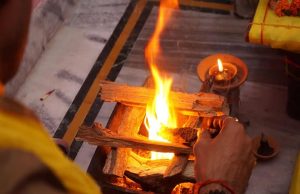
Bhakti Yoga, also known as the path of love and devotion, focuses on the cultivation of an intense and selfless love for the divine. Bhakti practitioners engage in devotional practices such as chanting mantras, singing hymns, and performing rituals. Through these devotional practices, they develop a profound connection with the divine, leading to a state of surrender and ecstatic love. Bhakti Yoga emphasizes the transformative power of devotion, which can purify the heart and mind, leading to the realization of the non-dual Self.
3. Karma Yoga (Path of Action)
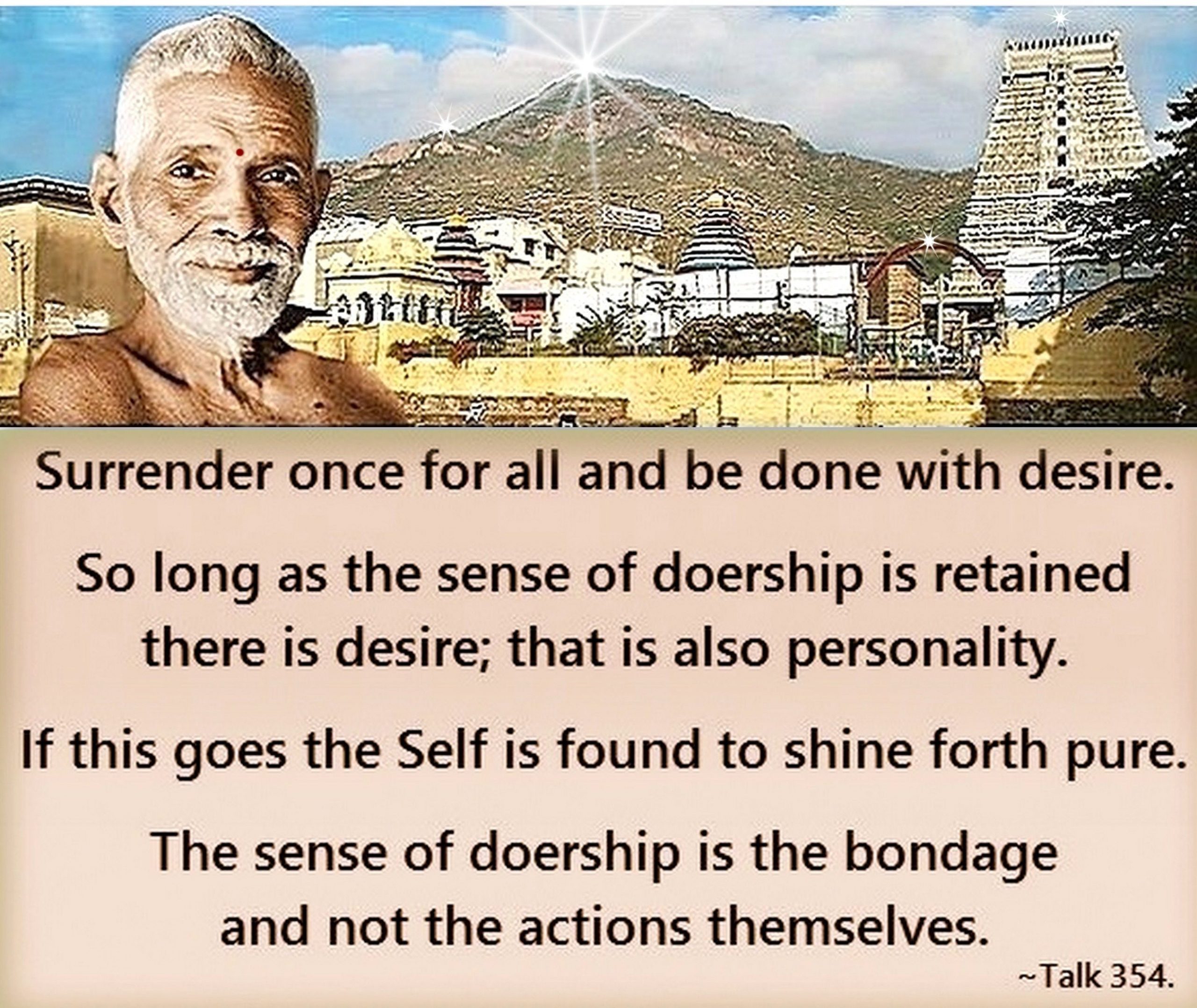
Karma Yoga is the path of selfless action, emphasizing the performance of one’s duties without attachment to the fruits of labor. It promotes the idea that actions should be performed as an offering to the divine, without any expectation of personal gain. By engaging in selfless service and ethical actions, Karma Yogis cultivate purity of mind and heart. They strive to transcend the ego and experience the unity of all beings, ultimately leading to the realization of the non-dual Self.
These three pathways, though distinct in their methods, ultimately converge in the same goal of self-realization. Jñāna Yoga provides the intellectual and philosophical foundation, Bhakti Yoga cultivates emotional devotion, and Karma Yoga fosters ethical action and service. By harmonizing these pathways, aspirants can holistically address the different aspects of their being and deepen their experience of the non-dual Self.
Advaita Vedanta emphasizes that self-realization is not a distant goal but a journey of gradual transformation. Through the diligent practice of these pathways, aspirants can cultivate knowledge, devotion, and selfless action, ultimately leading to the profound and liberating experience of the non-dual Self.## The Pathways Of Advaita Vedanta: Discovering Self-realization Through Knowledge, Devotion, And Action
Executive Summary
Advaita Vedanta is a profound philosophical system that guides seekers toward the ultimate goal of self-realization. This ancient tradition offers three distinct paths to liberation: jnana yoga, the path of knowledge; bhakti yoga, the path of devotion; and karma yoga, the path of selfless action. By exploring these pathways, individuals can transcend the limitations of the ego and experience the boundless nature of their true Self.
Introduction
Advaita Vedanta, a philosophical cornerstone of Hinduism, presents a comprehensive approach to understanding the nature of reality and the path to self-realization. It emphasizes the concept of Brahman, the ultimate, non-dual reality underlying all existence. Through the practice of its three primary paths—jnana yoga, bhakti yoga, and karma yoga—individuals can cultivate a deeper understanding of their true selves and attain liberation from the cycle of birth and rebirth.
FAQ
What is the ultimate goal of Advaita Vedanta?
Advaita Vedanta seeks to guide individuals toward self-realization, the recognition of one’s true nature as Brahman, the boundless and immutable reality.
Which path should I choose to practice Advaita Vedanta?
The choice of path depends on the individual’s temperament and inclinations. Jnana yoga emphasizes knowledge and contemplation, bhakti yoga focuses on devotion and love, while karma yoga highlights selfless action.
How can Advaita Vedanta help me in my daily life?
The principles of Advaita Vedanta can provide a framework for navigating the challenges of daily life. By cultivating non-attachment, acceptance, and a deep understanding of one’s true Self, practitioners can reduce suffering and live more fulfilling lives.
Subtopics
Jnana Yoga: The Path of Knowledge
- Understanding the nature of Brahman: Brahman is the underlying reality of all existence, beyond duality and the limitations of time and space.
- Investigating the nature of the Self: The Self (Atman) is not the ego or the physical body but the pure consciousness that permeates all beings.
- Renouncing ignorance: Jnana yoga emphasizes the importance of shedding false beliefs and misconceptions that obscure the true nature of reality.
- Cultivating discrimination: Jnana yogis strive to distinguish between the real (Brahman) and the unreal (the transient world of appearances).
- Attaining self-realization: The culmination of jnana yoga is the direct experience of one’s identity with Brahman, leading to liberation and profound peace.
Bhakti Yoga: The Path of Devotion
- Cultivating love and devotion: Bhakti yogis focus on developing an intense love and devotion to a chosen deity or form of God.
- Surrendering the ego: Bhakti yoga emphasizes surrendering the ego to the divine, allowing the heart to become purified and filled with love.
- Chanting and meditation: Bhakti yogis engage in practices such as chanting mantras, singing devotional songs, and meditating on the divine.
- Serving others: Bhakti yoga encourages acts of service and compassion, seeing God in all beings.
- Attaining union with God: The ultimate goal of bhakti yoga is to experience direct communion and unity with the divine, leading to a state of blissful surrender.
Karma Yoga: The Path of Selfless Action
- Performing actions without attachment: Karma yoga emphasizes performing one’s duties without attachment to the fruits of labor.
- Renouncing selfishness: Karma yogis strive to act for the benefit of others, without seeking personal recognition or reward.
- Dedication to the divine: Actions are offered to the divine, recognizing that one is merely an instrument of the cosmic play.
- Cultivating mindfulness: Karma yoga encourages a state of mindfulness and awareness in all actions, fostering a deep connection with the present moment.
- Attaining inner peace and harmony: By practicing selfless action, karma yogis cultivate serenity, equanimity, and a sense of inner fulfillment.
Dvaita Vedanta: The Path of Duality
- Recognizing the distinction between Brahman and the world: Dvaita Vedanta acknowledges the existence of a distinct and separate world alongside Brahman.
- Separating the individual soul from Brahman: Dvaita Vedanta emphasizes the difference between the individual soul (jiva) and Brahman, seeing them as separate entities.
- Seeking liberation through devotion: Dvaita Vedanta advocates for devotion and surrender to God as the path to liberation from the cycle of rebirth.
- Acceptance of God as the supreme ruler: Dvaita Vedanta views God as the creator and ruler of the universe, with humans in a subordinate position.
- Attaining moksha through God’s grace: Liberation (moksha) is attained through the grace of God, who grants salvation to those who have shown unwavering devotion and submission.
Vishishtadvaita Vedanta: The Path of Qualified Non-duality
- Understanding Brahman as both immanent and transcendent: Vishishtadvaita Vedanta posits that Brahman is both immanent (present within the world) and transcendent (beyond the world).
- Distinguishing between Brahman and the world: While recognizing the non-duality of Brahman, Vishishtadvaita Vedanta acknowledges the distinction between Brahman and the world as its manifestation.
- Seeking liberation through devotion and knowledge: The path to liberation involves a combination of devotion to God and the cultivation of spiritual knowledge.
- Experiencing the world as a reflection of Brahman: Vishishtadvaita Vedanta emphasizes the beauty and divinity of the world, seeing it as a reflection of Brahman’s glory.
- Attaining moksha through the grace of God: Liberation is attained through the grace of God, who resides within the heart of all beings and guides them toward self-realization.
Conclusion
The pathways of Advaita Vedanta provide a comprehensive framework for self-discovery and liberation. Through the paths of knowledge, devotion, and selfless action, individuals can transcend the limitations of the ego and experience their true nature as Brahman. By embracing the principles of non-duality, surrendering to the divine, and engaging in selfless service, practitioners can cultivate a profound sense of peace, fulfillment, and unity with the ultimate reality.
Keyword Tags
- Advaita Vedanta
- Self-realization
- Jnana Yoga
- Bhakti Yoga
- Karma Yoga