
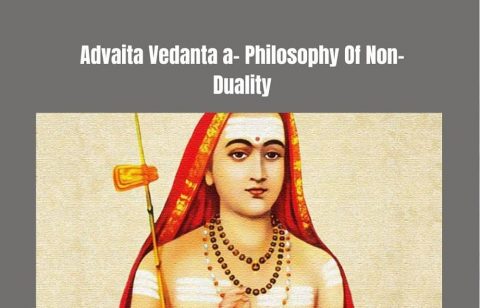
Advaita Vedanta and the Power of Non-dualistic Thinking: Transforming Perspectives for a Harmonious World
Introduction
Advaita Vedanta, a prominent school of Indian philosophy, espouses non-dualistic thinking, a perspective that transcends the limitations of duality to embrace a profound unity in all things. This transformative philosophy offers a powerful lens through which we can re-examine our world, cultivate inner harmony, and foster a more harmonious global community.

Non-dualistic Thinking
Non-dualistic thinking, or Advaita, recognizes the essential oneness of all existence. It dissolves the artificial divisions we impose on the world, such as subject and object, self and other, and ultimately proclaims the unity of all beings with the divine. This perspective transcends the limitations of ordinary perception and reveals the interconnectedness of all things.
Benefits of Non-dualistic Thinking
Embracing non-dualistic thinking offers a myriad of benefits, including:
- Increased Self-awareness: By blurring the boundary between self and other, non-dualism fosters a deeper understanding of our own nature and our place in the world.
- Empathy and Compassion: Recognizing the interconnectedness of all beings cultivates empathy and compassion towards others, regardless of their differences.
- Reduced Suffering: Non-dualistic thinking can alleviate suffering by dissolving the illusion of separation and the associated feelings of loneliness and isolation.
- Enhanced Creativity and Problem-solving: By transcending conventional boundaries, non-dualism opens up new perspectives and fosters innovative solutions to complex problems.
Transforming Perspectives
Non-dualistic thinking has the power to transform our perspectives in various ways. It:
- Challenges Dualities: It questions the artificial distinctions we make, such as good and evil, true and false, and encourages us to embrace a more nuanced and holistic understanding of reality.
- Expands Awareness: It broadens our consciousness beyond the limitations of ego and allows us to perceive the world from a more expansive and inclusive perspective.
- Promotes Unity: Non-dualism fosters a deep sense of unity with all beings, breaking down barriers of separation and fostering a sense of interconnectedness.
A Harmonious World
By embracing non-dualistic thinking, we can create a more harmonious world through:
- Bridging Differences: Non-dualism transcends cultural, religious, and political divides, fostering understanding and unity among all people.
- Promoting Tolerance: It cultivates tolerance and acceptance towards diverse perspectives, recognizing that all viewpoints are valid within the vast expanse of interconnectedness.
- Resolving Conflicts: Non-dualistic thinking offers a framework for resolving conflicts peacefully by understanding the underlying unity of all parties involved.
- Environmental Sustainability: Recognizing the interconnectedness of all beings extends to the natural world, fostering a sense of care and stewardship for the planet.
Conclusion
Advaita Vedanta’s non-dualistic perspective provides a transformative lens through which we can re-examine the world, cultivate inner harmony, and foster a more harmonious global community. By embracing the essential unity of all things, we can dissolve the illusions of separation, bridge differences, and create a world that is characterized by peace, understanding, and unity.## Advaita Vedanta And The Power Of Non-dualistic Thinking: Transforming Perspectives For A Harmonious World
Executive Summary
Advaita Vedanta, a profound philosophical system originating from ancient India, offers a transformative path towards a harmonious world through its core principle of non-dualism. This philosophy transcends the limitations of dualistic thinking, fostering a profound understanding of the interconnectedness of all existence. By embracing non-dualistic thinking, we unlock the potential to dissolve societal divisions, cultivate compassion, and create a more equitable and just world.
Introduction
Advaita Vedanta is a monistic philosophy that asserts the fundamental unity of reality. According to this ancient wisdom, the perceived duality between the self and the world, or between subject and object, is an illusion. The true nature of reality is a seamless, undivided wholeness known as Brahman.
FAQs
- What is the central tenet of Advaita Vedanta?
- The central tenet of Advaita Vedanta is non-dualism, the belief that all existence is fundamentally one.
- How does Advaita Vedanta differ from dualistic philosophies?
- Unlike dualistic philosophies that posit a separation between subject and object, Advaita Vedanta emphasizes the unity of all things.
- What are the practical implications of embracing non-dualistic thinking?
- Embracing non-dualistic thinking can lead to increased empathy, compassion, and a sense of interconnectedness with all beings.
Subtopics
1. The Illusion of Duality
- The perception of duality arises from the limitations of our senses and the mind’s tendency to categorize and divide.
- The true nature of reality is undivided wholeness, devoid of any inherent duality.
- By recognizing the illusory nature of duality, we transcend the mental constructs that create conflict and separation.
2. The Oneness of All Beings
- Advaita Vedanta teaches that all beings are manifestations of the same underlying reality, Brahman.
- This recognition dissolves the illusion of separateness and fosters a profound sense of connection and compassion.
- Realizing the unity of all beings leads to a deep respect for all life and a desire to contribute to the well-being of others.
3. The Power of Consciousness
- Consciousness is the fundamental essence of reality, the ground from which all existence arises.
- By cultivating self-awareness and mindful observation, we can access a deeper understanding of our true nature.
- Recognizing the power of consciousness empowers us to shape our perceptions and navigate life’s challenges with greater clarity and equanimity.
4. The Path to Liberation
- Liberation in Advaita Vedanta is the realization of one’s true nature as Brahman, the undivided wholeness.
- This journey of liberation involves shedding the ego and its attachments to the phenomenal world.
- Through practices such as meditation, inquiry, and selfless action, we can gradually purify the mind and attain a state of abiding peace and fulfillment.
5. The Implications for Social Harmony
- Embracing non-dualistic thinking can transform the way we interact with each other and our environment.
- By dissolving the illusion of separateness, we can build bridges across cultural, religious, and social divides.
- A world grounded in non-dualistic principles promotes justice, equality, and mutual respect, paving the way for a more harmonious society.
Conclusion
Advaita Vedanta offers a profound and transformative path towards creating a more just and harmonious world. By embracing non-dualistic thinking, we dissolve the barriers that divide us, cultivate compassion, and recognize the interconnectedness of all existence. As we transcend dualistic limitations, we unlock our true potential to create a society where all beings can live in peace, unity, and shared prosperity.
Keyword Tags
- Advaita Vedanta
- Non-dualistic thinking
- Unity of all beings
- Social harmony
- Spiritual enlightenment