The Significance Of Fire In Hindu Rituals And Ceremonies
Executive Summary
Fire holds immense significance in Hinduism, symbolizing purity, transformation, and the divine. It serves as a sacred element in various rituals and ceremonies, purifying offerings, appeasing deities, and guiding the soul’s journey.
Introduction
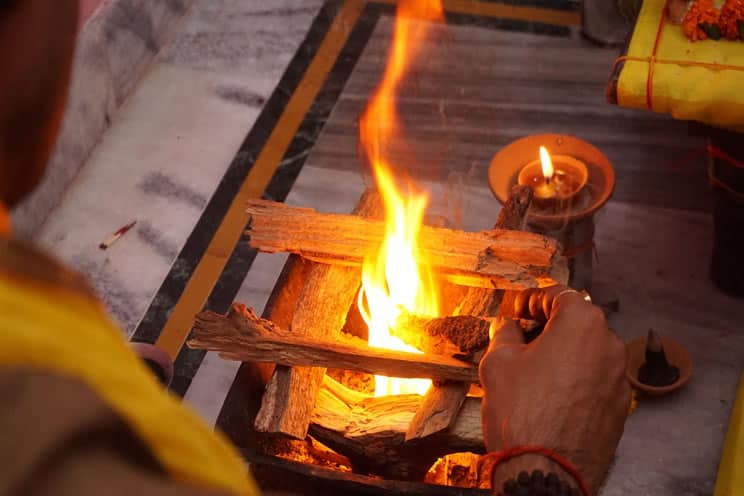
In Hindu tradition, fire represents Agni, the god of fire. Agni is considered a messenger between the mortal and divine realms, facilitating communication and offerings. Fire has profound spiritual and symbolic meanings, and its presence in rituals is indispensable.
FAQs
Q: Why is fire important in Hindu rituals?
- Fire symbolizes purity and transformation.
- It is used to purify offerings, appease deities, and guide the soul.
- It represents Agni, the messenger between the mortal and divine realms.
Q: What are the different types of fire rituals in Hinduism?
- Homa: A ritual fire offering where various materials like ghee, herbs, grains, and mantras are offered to deities.
- Yagna: A large-scale fire ceremony conducted for specific purposes like appeasement of deities, purification, or seeking blessings.
- Agnihotra: A daily fire ritual performed in the morning and evening to worship Agni.
Q: How is fire used in Hindu ceremonies?
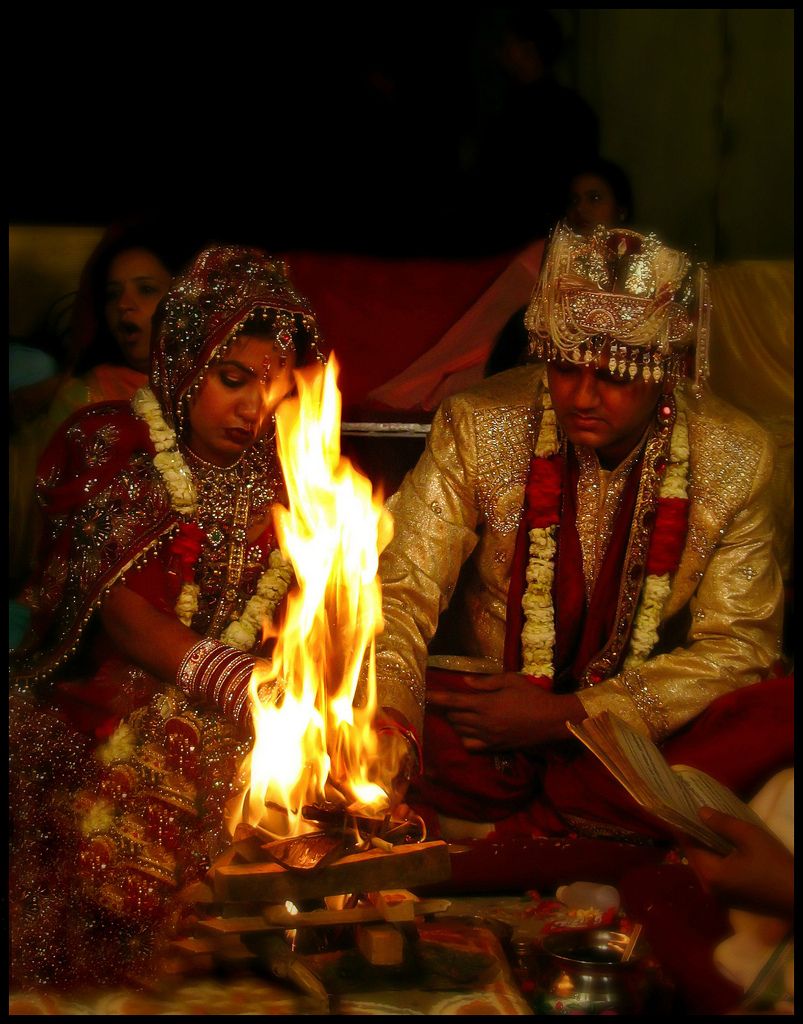
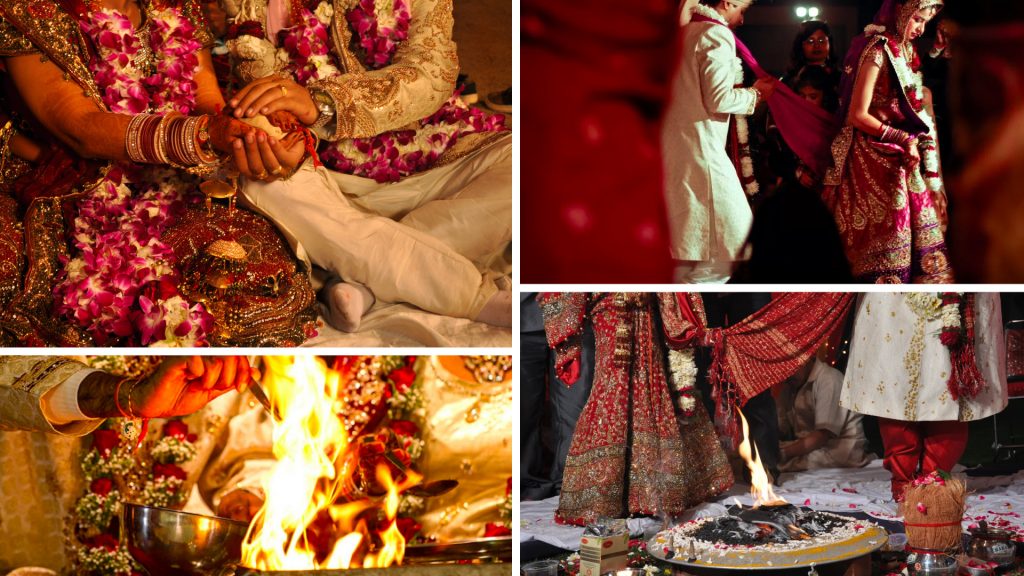
- Marriages: The sacred fire is the witness to the wedding vows, symbolizing the bond between the couple.
- Funerals: Fire is used to cremate the body, releasing the soul from the physical realm.
- Birth rituals: Fire is used to purify the newborn baby and protect it from evil spirits.
Subtopics
Homa
- Purpose: Ritual fire offering to appease deities and deities and seek blessings.
- Materials: Ghee, herbs, grains, and mantras.
- Procedure: Mantras are chanted while offerings are poured into the fire.
- Significance: Purifies offerings and establishes connection with the divine.
Yagna
- Purpose: Large-scale fire ceremony for specific purposes.
- Participants: Priests, scholars, and community members.
- Duration: Can last several days or weeks.
- Significance: Invokes divine favor, purifies the environment, and brings harmony.
Agnihotra
- Purpose: Daily fire ritual for worshiping Agni.
- Timing: Performed in the morning and evening.
- Materials: Ghee, kindling, and mantras.
- Significance: Purifies the home, promotes health, and brings prosperity.
Fire in Marriages
- Symbolism: Sacred fire represents the witness to the wedding vows.
- Procedure: The couple takes seven steps around the fire, making vows and seeking blessings.
- Significance: Establishes an unbreakable bond between the couple, symbolizing purity and commitment.
Fire in Funerals
- Purpose: Cremates the body, releasing the soul.
- Process: The body is placed on a pyre and burned.
- Significance: Helps the soul transition to the afterlife and purifies the physical remains.
Conclusion
Fire holds immense significance in Hindu rituals and ceremonies, embodying purity, transformation, and the divine. Its presence in these rituals serves as a conduit between the mortal and divine realms, facilitating the offering of prayers, appeasing deities, guiding the soul’s journey, and marking important life events. Understanding the significance of fire in Hindu rituals provides a deeper appreciation for the sacred traditions and practices that have endured for centuries.
Keyword Tags
- Fire in Hindu rituals
- Homa
- Yagna
- Agnihotra
- Sacred fire