
Role of Dharma in Accumulating Good Karma
Dharma, a Sanskrit term, holds profound significance in Hinduism, Buddhism, and other Indian philosophies. It encompasses a multitude of meanings, including duty, righteousness, moral principles, and the cosmic order. In the context of karma, dharma plays a crucial role in guiding individuals towards actions that accrue positive consequences.
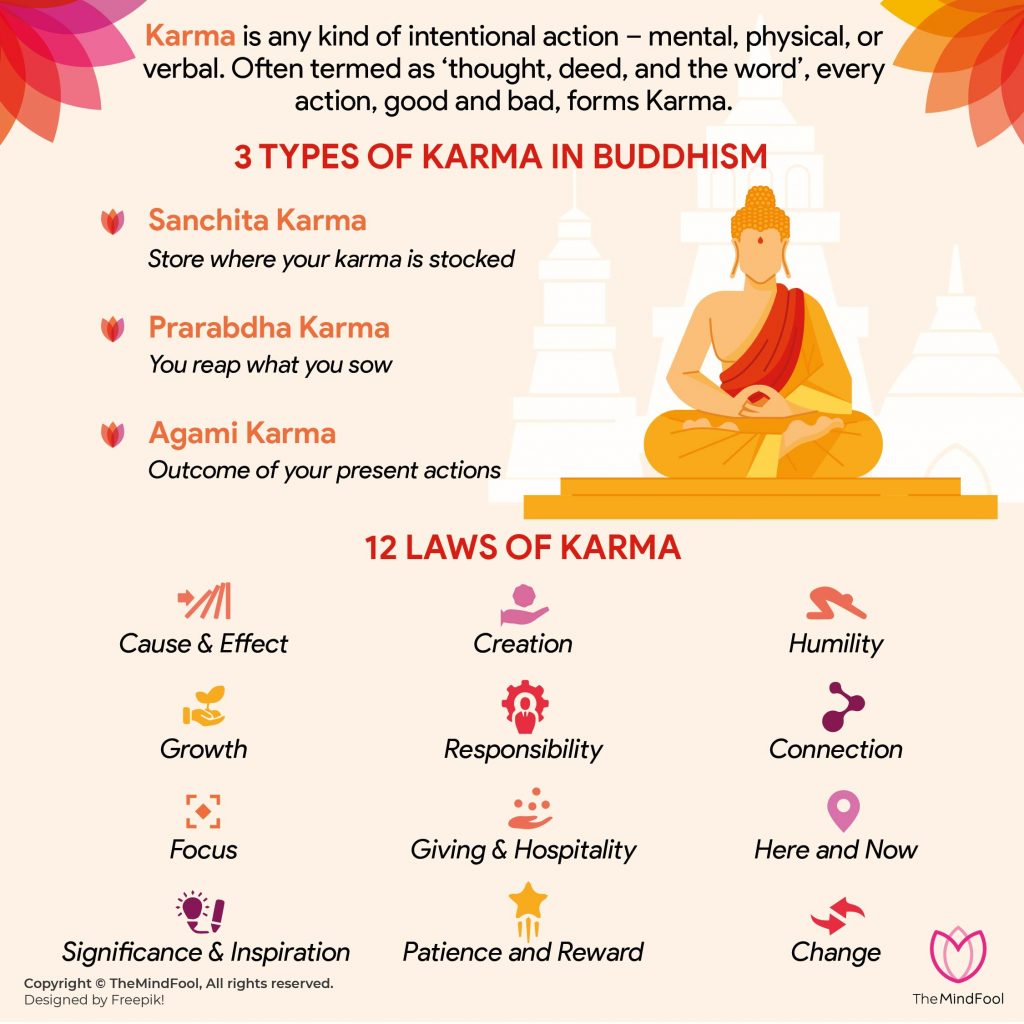
Understanding Karma
Karma, a foundational concept in Indian philosophy, refers to the law of cause and effect. According to this principle, every action, thought, and word has consequences that shape our present and future experiences. Good actions lead to positive outcomes, while unskillful or harmful actions result in negative consequences.
Dharma as a Guide for Karma
Dharma serves as a moral compass that helps individuals navigate their actions in accordance with the principles of righteousness and virtue. By adhering to dharma, we can discern which actions are deemed positive and beneficial, and which are considered detrimental to ourselves and others.
Accumulating Good Karma through Dharma
When individuals live in accordance with dharma, they accumulate good karma. Here are some key ways in which dharma facilitates the accumulation of positive consequences:
- Rightful Actions: Dharma encourages us to perform our duties and obligations with diligence and integrity. Engaging in lawful and virtuous activities, such as fulfilling our responsibilities, practicing compassion, and respecting the rights of others, contributes to the growth of good karma.
- Ethical Conduct: Dharma emphasizes ethical behavior in all aspects of life. It promotes honesty, truthfulness, non-violence, and restraint from harmful actions. By adhering to these principles, we avoid creating negative karma and sow seeds for future happiness.
- Selfless Service: Dharma encourages selfless service and altruism. When we act for the well-being of others, without expecting personal gain, we accumulate significant positive karma.
- Purification of Intentions: Dharma emphasizes the importance of purifying our intentions. When we engage in actions with pure motives, even ordinary acts can become acts of virtue and contribute to good karma.
- Rightful Speech: Dharma teaches us to speak truthfully, kindly, and respectfully. Refraining from harsh words, gossip, and slander helps us avoid creating negative karma and fosters harmonious relationships.
Conclusion
Dharma is an essential guide for accumulating good karma. By living in accordance with its principles, we can make choices that lead to positive outcomes, not only for ourselves but also for the world around us. Dharma empowers us to create a virtuous path and shape our destinies through our actions, thoughts, and intentions.## The Role of Dharma in Accumulating Good Karma
Executive Summary
Dharma, a fundamental concept in Hinduism and Buddhism, plays a crucial role in accumulating good karma. By fulfilling one’s duties and obligations, individuals can create positive karmic imprints that contribute to their spiritual growth and overall well-being. Understanding the significance of dharma is essential for cultivating a virtuous life and accumulating positive karma.
Introduction
Karma, the universal law of cause and effect, governs the results of our actions and shapes our destiny. Accumulating good karma is believed to contribute to happiness, success, and spiritual liberation. Dharma, often translated as “righteousness” or “duty,” is the guiding principle that helps individuals live in accordance with cosmic laws and accumulate positive karma.
FAQs
What is Dharma?
Dharma encompasses the moral, ethical, and spiritual obligations that individuals have towards themselves, others, and society. It guides us to lead a life of virtue and harmony, fulfilling our roles and responsibilities.
How does Dharma accumulate good karma?
By adhering to dharma, individuals create positive karmic imprints. Fulfilling duties without attachment, acting with compassion, and upholding truthfulness contribute to the accumulation of good karma.
What are the benefits of accumulating good karma?
Good karma leads to favorable circumstances, inner peace, spiritual growth, and ultimately, liberation from the cycle of birth and death.
Top Five Subtopics
1. Fulfilling One’s Duties
- Dharma of the householder (grihastha): Responsibilities of married life, including caring for family, pursuing work, and supporting the community.
- Dharma of the student (brahmachariya): Dedicate to education, seeking knowledge, and practicing self-discipline.
- Dharma of the renunciate (sannyasa): Embracing simplicity, detachment, and spiritual pursuits for self-realization.
2. Acting with Compassion
- Treating others with empathy: Understanding and respecting different perspectives, practicing kindness, and offering support.
- Engaging in charity (dana): Giving time, resources, or assistance to those in need, without expecting anything in return.
- Practicing non-violence (ahimsa): Refraining from harming others through thought, word, or deed.
3. Upholding Truthfulness
- Speaking and acting honestly: Being faithful to one’s words and actions, avoiding deception and falsehood.
- Honoring commitments: Fulfilling promises and obligations, building trust and integrity.
- Seeking knowledge and wisdom: Exploring different perspectives, questioning beliefs, and cultivating an open mind.
4. Developing a Sattvic Mind
- Cultivating purity (sattva): Prioritizing clarity, discipline, and positive emotions, such as joy, love, and contentment.
- Reducing attachment (raga): Detaching from worldly desires and possessions, avoiding excessive indulgences.
- Conquering aversion (dvesha): Overcoming hatred, anger, and negativity, embracing a positive outlook.
5. Living in Harmony with Nature
- Respecting the environment: Acting as stewards of the Earth, protecting natural resources, and minimizing ecological impact.
- Practicing sustainable living: Choosing eco-friendly products and practices, reducing waste, and living in a balanced way.
- Appreciating the interconnectedness of all life: Recognizing the unity of all beings and striving to live in harmony with animals, plants, and the entire ecosystem.
Conclusion
Dharma is the guiding force that enables individuals to accumulate good karma and create a virtuous foundation for their lives. By fulfilling duties, acting with compassion, upholding truthfulness, developing a sattvic mind, and living in harmony with nature, we can sow the seeds of positive karma that will lead to a fulfilling and meaningful existence.
Keyword Tags
- Karma
- Dharma
- Good Karma
- Spiritual Growth
- Virtuous Living