A Comprehensive Guide to the Hindu Pantheon
Hinduism, one of the world’s oldest religions, boasts a vast and intricate pantheon of gods and goddesses. Each deity embodies specific attributes, powers, and domains, reflecting the multifaceted nature of the divine in Hinduism. This guide provides an overview of the key Hindu deities, their significance, and their relationships within the divine hierarchy.
Trimurti: The Supreme Trinity
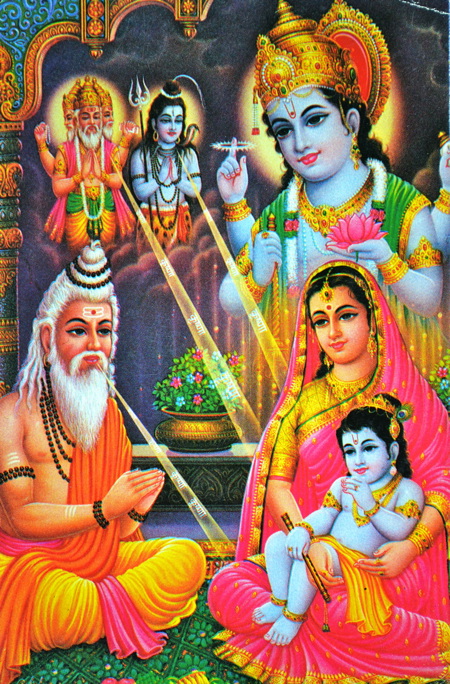
At the apex of the Hindu pantheon is the Trimurti, a trio of supreme deities that represent the cyclical nature of creation, preservation, and destruction.
- Brahma: The creator god, responsible for the birth of the universe and all living beings. He is often depicted with four heads and four arms.
- Vishnu: The preserver god, who sustains the universe and protects it from chaos. He is typically portrayed with four arms, holding a conch, a discus, a lotus, and a mace.
- Shiva: The destroyer god, who brings about the end of the universe to make way for a new creation. He is often associated with dance, music, and meditation, as well as with destruction and transformation.
Other Major Deities
In addition to the Trimurti, numerous other gods and goddesses play significant roles in Hindu mythology and worship. Some of the most prominent ones include:
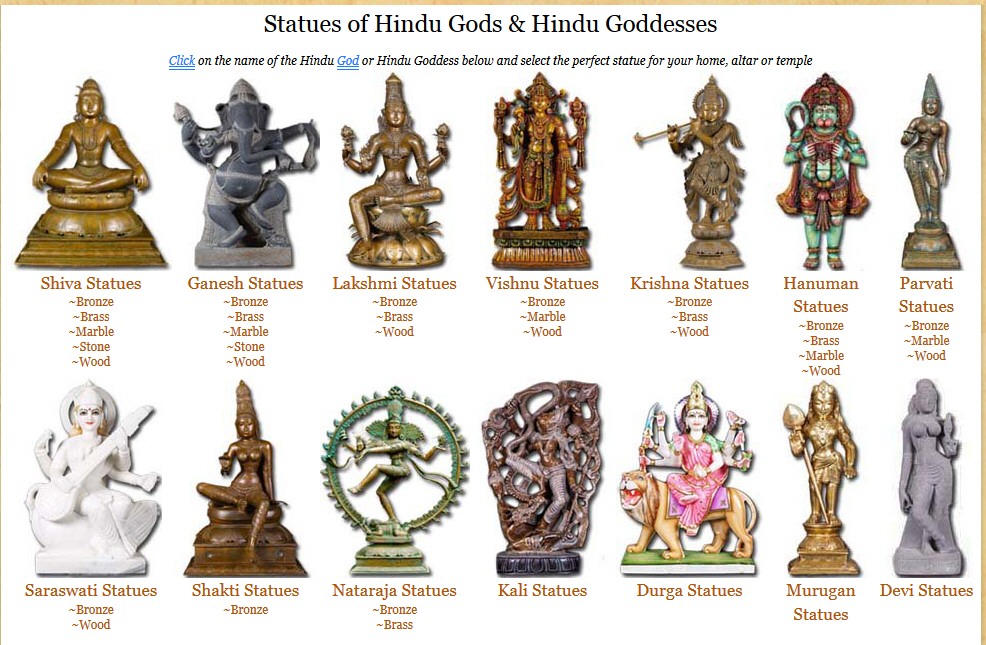
- Lakshmi: The goddess of wealth, prosperity, and beauty. She is often depicted seated on a lotus flower, with four arms holding a lotus, a conch, a gold coin, and a bowl of nectar.
- Saraswati: The goddess of knowledge, music, and arts. She is commonly shown with four arms, holding a book, a stringed instrument, a lotus, and a swan.
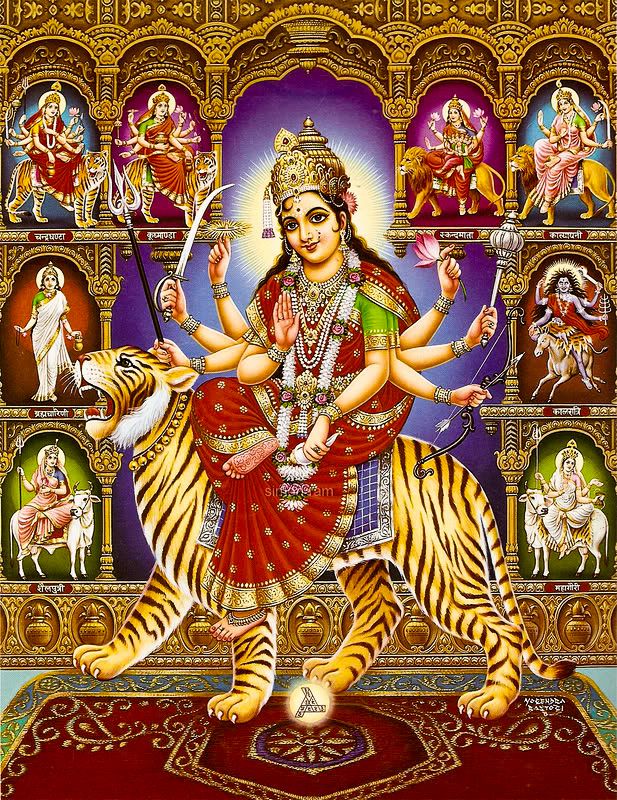
- Durga: The fierce and protective aspect of the goddess Parvati. She is often depicted riding a lion, with multiple arms holding weapons to vanquish evil.
- Ganesha: The elephant-headed god of wisdom, beginnings, and obstacles. He is invoked at the start of any new venture to ensure success.
The Divine Family
Many Hindu deities are interconnected through family relationships. For example:
- Parvati: Shiva’s wife and the embodiment of divine love and power.
- Kartikeya: Shiva and Parvati’s son, the god of war and victory.
- Ganesha: Shiva and Parvati’s son, the god of wisdom and obstacles.
- Hanuman: A monkey god, a loyal devotee of Rama, and a symbol of physical strength and devotion.
Worship and Rituals
Hindu deities are revered through various forms of worship, including:
- Prayer and Meditation: Devotees offer prayers and meditations to connect with the divine.
- Temple Worship: Temples dedicated to specific deities are important centers of worship, where rituals and festivals are held.
- Offerings: Flowers, food, and other offerings are made to please the gods and goddesses.
- Yagnas (Fire Rituals): Sacred rituals involving the offering of ghee, incense, and other materials into a fire.
Conclusion
The Hindu pantheon is a diverse and dynamic realm, with a vast array of gods and goddesses representing different aspects of the divine. The worship of these deities is central to the lives of millions of Hindus worldwide, providing solace, guidance, and inspiration. By understanding the significance and relationships of these divine beings, we gain a deeper appreciation for the richness and complexity of Hindu religious beliefs.## Hindu Gods And Goddesses: A Guide To The Divine Pantheon
Executive Summary
Hinduism is one of the oldest and most complex religions in the world, with a vast pantheon of gods and goddesses. Each deity embodies a specific aspect of the divine and plays a unique role in the Hindu cosmology. This guide provides a comprehensive overview of the major Hindu gods and goddesses, their attributes, and their significance in the Hindu faith.
Introduction
Hinduism recognizes countless divine beings, each with its own powers and responsibilities. These deities oversee different aspects of life, from creation and destruction to love, wisdom, and wealth. Understanding the Hindu pantheon helps us appreciate the depth and richness of this ancient religion.
FAQs
Q: How many gods and goddesses are there in Hinduism?
A: The number varies depending on the specific tradition, but Hinduism recognizes over 300 million deities.
Q: Why are Hindu deities often depicted with multiple arms and heads?
A: This symbolism represents their immense power and the ability to perform multiple tasks simultaneously.
Q: Do Hindus believe in one God?
A: While Hinduism is often considered polytheistic, it also has monotheistic aspects. Many Hindus believe in a single supreme being known as Brahman, who manifests in various forms as the different gods and goddesses.
Top 5 Subtopics
1. The Trimurti
The Trimurti is the trinity of the Supreme Being in Hinduism. It comprises three main gods:
- Brahma: The creator of the universe
- Vishnu: The preserver of the universe
- Shiva: The destroyer of the universe
2. Goddesses of Fertility and Abundance
Hinduism has numerous goddesses associated with fertility, abundance, and prosperity:
- Lakshmi: Goddess of wealth and prosperity
- Parvati: Goddess of fertility, marriage, and beauty
- Durga: Goddess of strength and protection
- Kali: Goddess of time and destruction
3. Gods of Courage and War
Hinduism also has a pantheon of gods associated with courage and warfare:
- Indra: King of the gods and god of thunder
- Kartikkeya: God of war and commander of the divine army
- Hanuman: Monkey god known for his strength and devotion
- Ravana: Demon king and antagonist in the epic Ramayana
4. Gods of Knowledge and Wisdom
Hinduism emphasizes the importance of knowledge and wisdom, with several deities embodying these qualities:
- Saraswati: Goddess of knowledge, music, and arts
- Ganesh: God of wisdom, beginnings, and remover of obstacles
- Shiva: As Nataraja, he is the cosmic dancer who represents the ultimate balance of creation and destruction
- Dattatreya: An avatar of Vishnu who represents the highest wisdom
5. The Avataras
Avataras are divine incarnations of Vishnu who descend to Earth to restore balance and protect humanity. Two of the most popular avataras are:
- Rama: Hero of the Ramayana epic who embodies courage and righteousness
- Krishna: Cowherd god who embodies love, devotion, and the divine play
Conclusion
The Hindu pantheon is a vast and diverse tapestry of divine beings, each representing a different aspect of the universal truth. From the Trimurti to the avatars, these gods and goddesses play a pivotal role in shaping Hindu mythology, beliefs, and practices. Understanding their stories and attributes enriches our understanding of this ancient and fascinating religion.
Keyword Tags
- Hindu gods
- Goddesses
- Hinduism
- Hindu mythology
- Divine pantheon