The Caste System in Hinduism: Understanding Its Origins and Debates
Origins of the Caste System
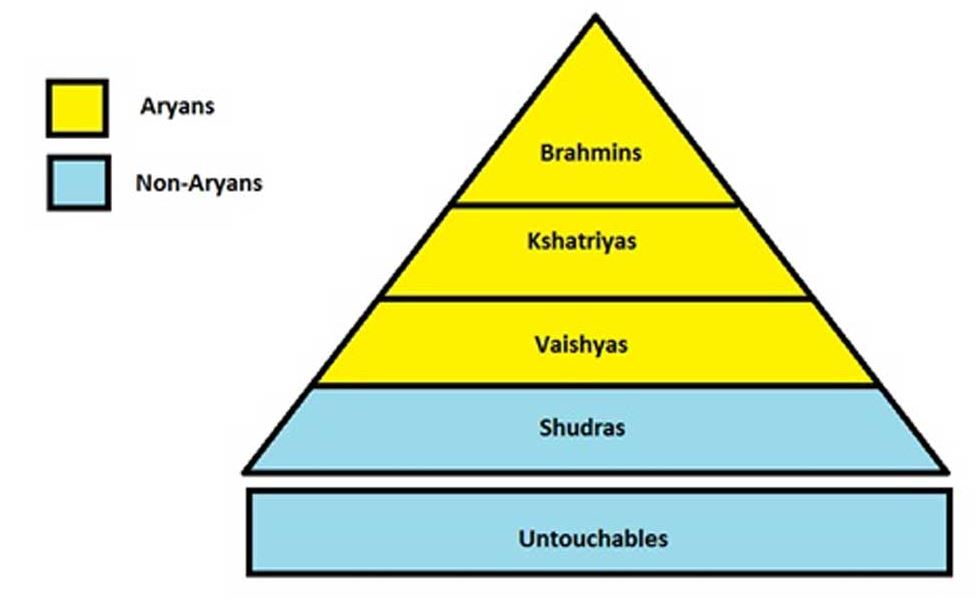
The caste system is a complex social hierarchy that has been prevalent in India for centuries. Its origins can be traced back to ancient Hindu scriptures, particularly the Vedas and the Laws of Manu.
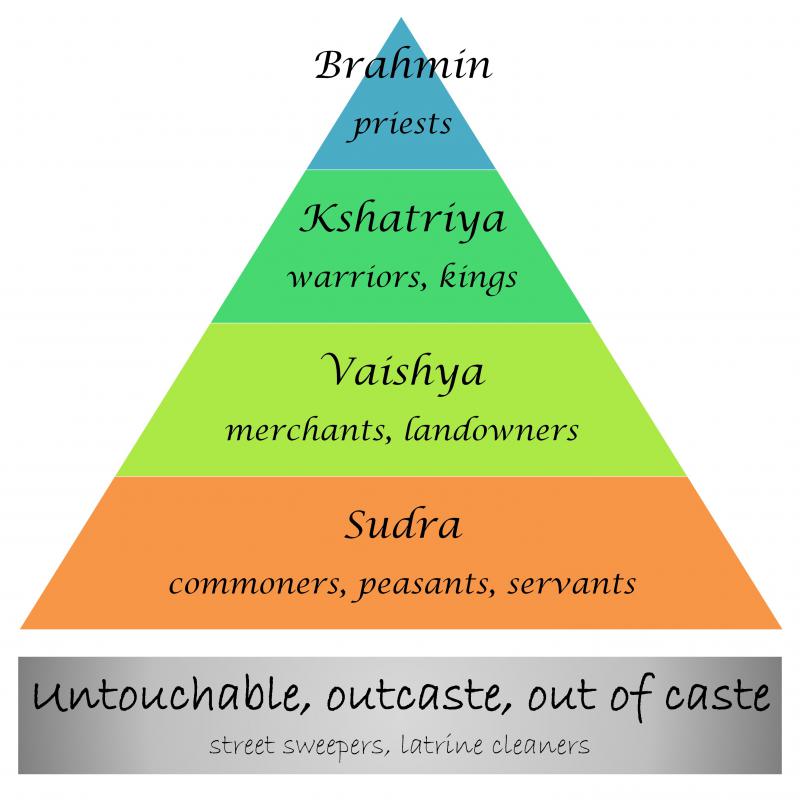
According to these texts, the caste system was created by Brahma, the creator god, who divided society into four main castes:
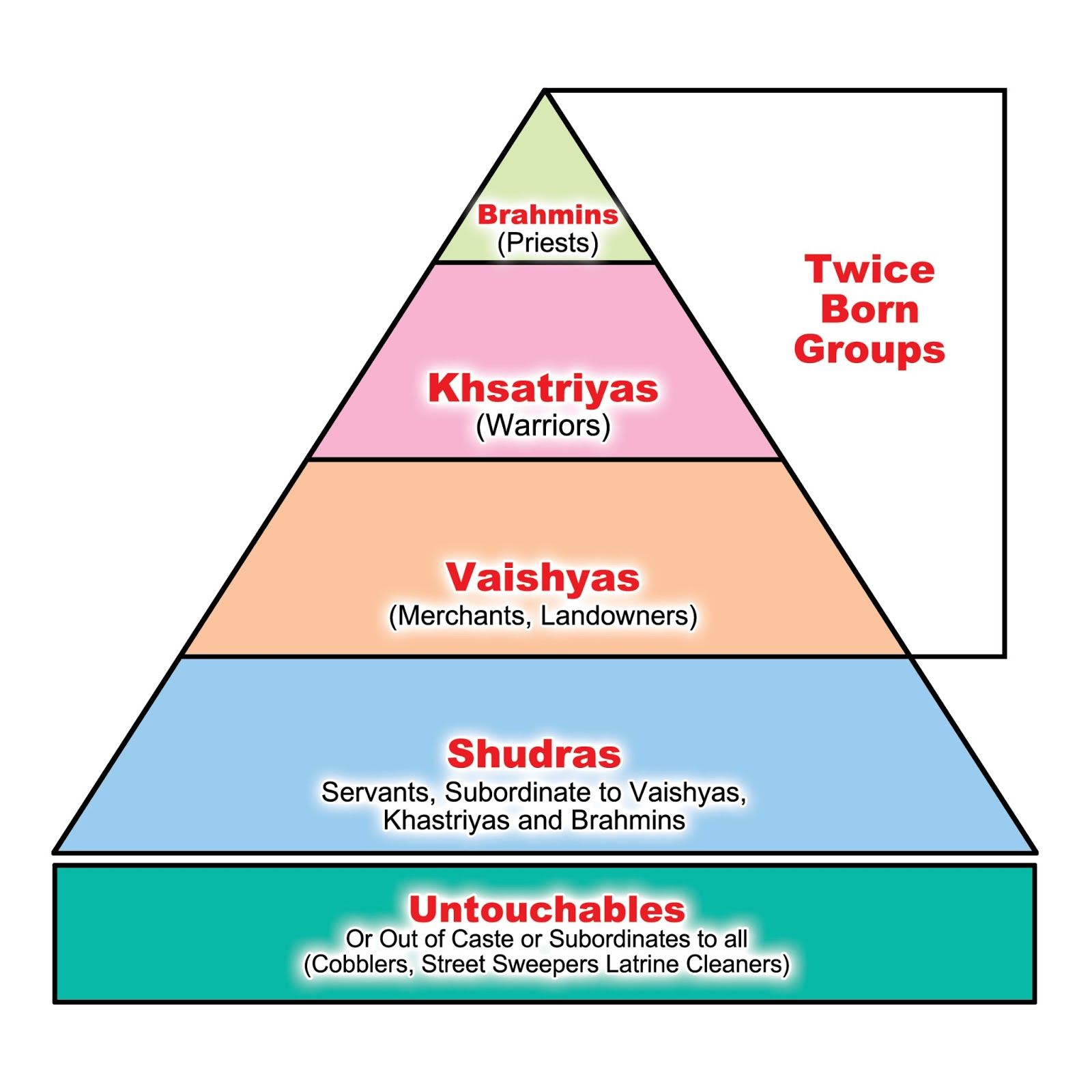
- Brahmins: Priests, scholars, and intellectuals
- Kshatriyas: Kings, warriors, and administrators
- Vaishyas: Merchants, traders, and farmers
- Shudras: Laborers and artisans
Later, a fifth caste, the Dalits, also known as “untouchables,” was added to the system. They were considered outside the caste hierarchy and were assigned the most menial and polluting tasks.
Underlying Principles
The caste system is based on the principles of karma (actions and their consequences) and dharma (duties and obligations). It is believed that an individual’s caste is determined by their past actions (karma) and that it dictates their role and status in society. Each caste is assigned specific duties and responsibilities that it must fulfill to maintain social order.
Debates and Challenges
The caste system has been a subject of ongoing debate and controversy. Critics have argued that it is an oppressive system that perpetuates inequality, discrimination, and social injustice.
- Discrimination and Exploitation: The caste system has historically led to widespread discrimination against lower castes, particularly Dalits. They have been denied access to education, employment, and other opportunities.
- Social Mobility Barriers: The caste system restricts social mobility and limits an individual’s ability to improve their status. Inter-caste marriage and interaction are often discouraged or forbidden.
- Violation of Human Rights: The caste system violates fundamental human rights by denying certain groups basic dignity and opportunities.
Reforms and Initiatives
Over the years, there have been efforts to reform and abolish the caste system.
- Constitutional Reforms: The Indian Constitution prohibits caste-based discrimination and promotes equality for all citizens.
- Social Justice Policies: Governments have implemented policies such as reservations in education and employment to address the historical disadvantages faced by lower castes.
- Social Movements: Various social movements, such as the Dalit Panthers and the Bahujan Samaj Party, have played a significant role in challenging caste prejudices and advocating for social justice.
Current Status
While the caste system has officially been abolished in India, its influence still persists in various forms.
- Social Stigma: Caste prejudices continue to shape social interactions and relationships. Discrimination against lower castes, particularly Dalits, remains a problem in many areas.
- Political Representation: Caste affiliations play a significant role in electoral politics, with political parties seeking support from specific caste groups.
- Economic Disparities: Caste-based disparities in education, employment, and wealth continue to exist.
Conclusion
The caste system is a complex and controversial issue that has left a lasting impact on Indian society. While efforts have been made to reform and abolish it, its legacy continues to shape social dynamics and debates about equality and justice in India.## The Caste System In Hinduism: Understanding Its Origins And Debates
Executive Summary
The caste system is a social stratification system that has been prevalent in India for centuries. It divides society into different castes or social classes, with each caste having its own set of rules and regulations. The caste system has been the subject of much debate, with some arguing that it is a necessary part of society and others calling for its abolition.
Introduction
The caste system is a complex and controversial issue. There are many different perspectives on the caste system, and it can be difficult to understand its origins and its impact on society. This article will provide an overview of the caste system, its origins, and the debates surrounding it.
FAQs
Q: What is the caste system?
A: The caste system is a social stratification system that divides society into different castes or social classes. Each caste has its own set of rules and regulations, and members of different castes are not allowed to interact with each other in certain ways.
Q: What are the origins of the caste system?
A: The origins of the caste system are not entirely clear, but it is thought to have developed over time as a way to organize society and maintain social order. Some scholars believe that the caste system was originally based on occupation, with different castes being responsible for different tasks. Others believe that the caste system was based on race or ethnicity, with different castes being descended from different groups of people.
Q: What are the debates surrounding the caste system?
A: There are many debates surrounding the caste system, with some people arguing that it is a necessary part of society and others calling for its abolition. Proponents of the caste system argue that it provides stability and order to society and that it is necessary to maintain social harmony. Critics of the caste system argue that it is discriminatory and that it prevents people from reaching their full potential.
Origins
The origins of the caste system are not entirely clear. One theory is that it developed as a way to organize society and maintain social order. Another theory is that it was based on race or ethnicity, with different castes being descended from different groups of people. A third theory is that it developed as a way to control access to resources, with different castes being given different rights and privileges.
Historical Evolution
The caste system has evolved over time. In ancient India, there were four main castes: the Brahmins (priests), the Kshatriyas (warriors), the Vaishyas (merchants), and the Shudras (laborers). Over time, these four castes were further divided into sub-castes, each with its own set of rules and regulations.
Contemporary Situation
The caste system continues to exist in India today, although it is no longer as rigid as it once was. The Indian constitution prohibits discrimination based on caste, and there are laws in place to protect the rights of Dalits (formerly known as untouchables). However, caste discrimination still exists in many parts of India, and it can be difficult for Dalits to access education, employment, and other opportunities.
Debates
There are many debates surrounding the caste system, with some people arguing that it is a necessary part of society and others calling for its abolition.
Arguments for the Caste System
Proponents of the caste system argue that it provides stability and order to society. They argue that it ensures that everyone has a place in society and that it prevents social chaos. They also argue that the caste system is necessary to maintain social harmony and to prevent conflict between different groups of people.
Arguments Against the Caste System
Critics of the caste system argue that it is discriminatory and that it prevents people from reaching their full potential. They argue that it is based on birth rather than on merit and that it traps people in a rigid social hierarchy. They also argue that the caste system is a barrier to social and economic development and that it contributes to poverty and inequality.
Conclusion
The caste system is a complex and controversial issue. There are many different perspectives on the caste system, and it can be difficult to understand its origins and its impact on society. This article has provided an overview of the caste system, its origins, and the debates surrounding it.
Keyword Tags:
- Caste system
- Hinduism
- Social stratification
- Dalits
- Discrimination