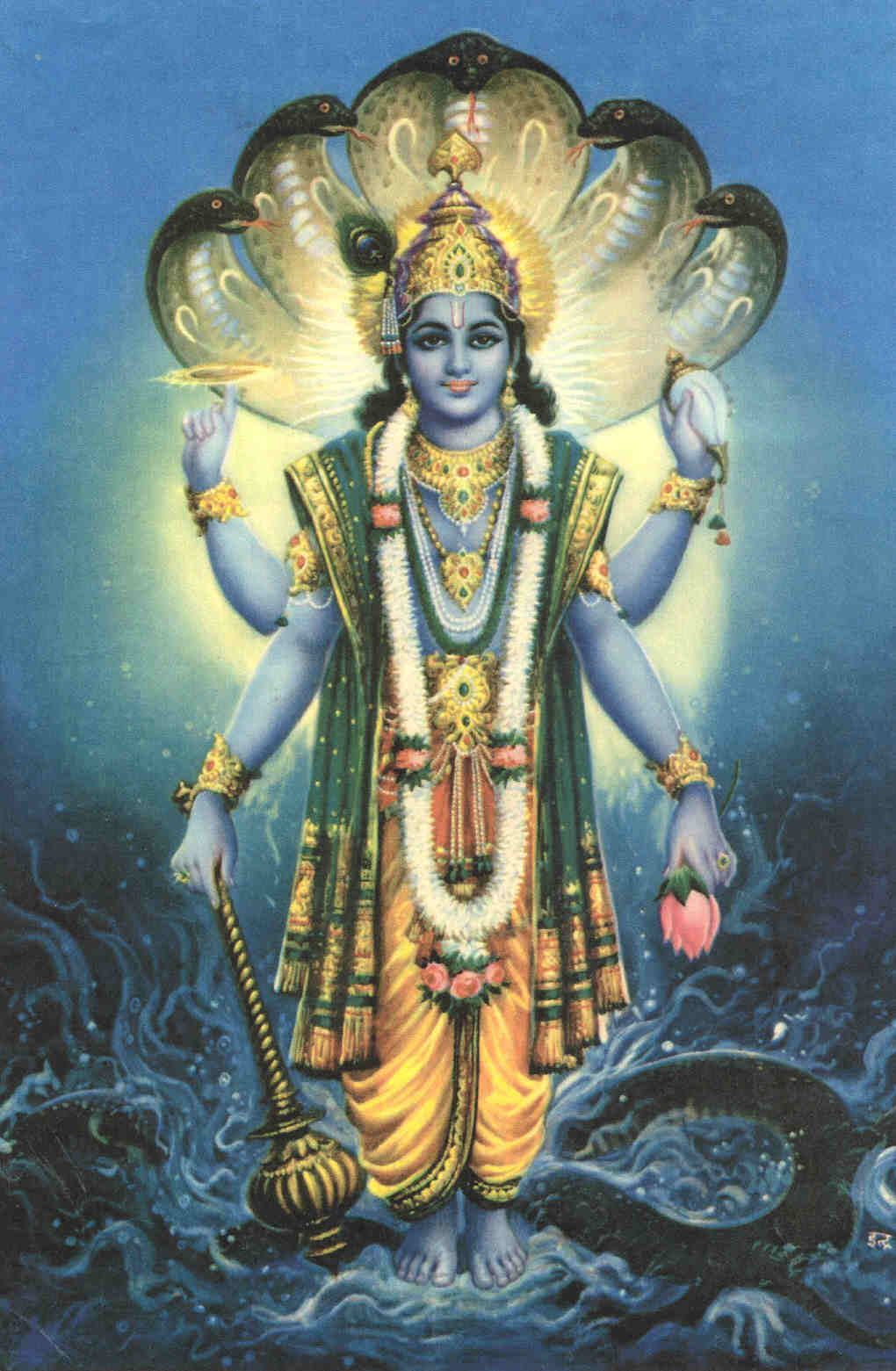
Vishnu, the Preserver
In the vast and intricate tapestry of Hindu mythology, Vishnu stands as a central figure, embodying the divine attribute of preservation. Known as the Preserver of the Universe, he is responsible for maintaining cosmic balance and harmony, ensuring the continuation of life and the sustenance of all beings.
Manifestations of Vishnu
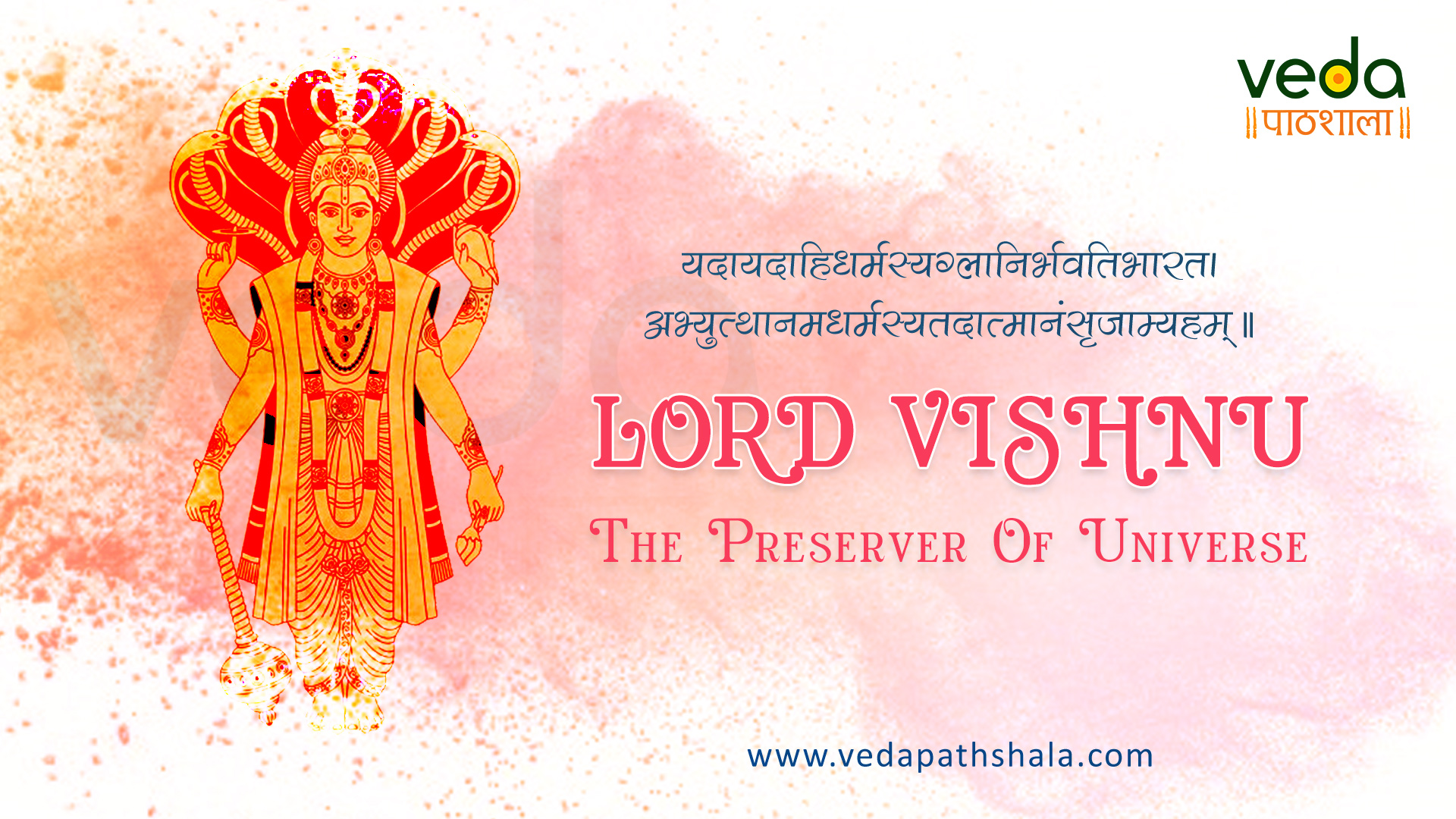
Vishnu’s divine essence manifests in countless forms, known as avatars or incarnations. Each avatar embodies a specific purpose or mission, reflecting the multifaceted nature of his divine being. Some of the most renowned avatars include:
- Matsya: The fish avatar, who saved Manu, the progenitor of humanity, from a cataclysmic flood.
- Kurma: The tortoise avatar, who supported Mount Mandara during the churning of the ocean of milk.
- Varaha: The boar avatar, who rescued the earth goddess Bhudevi from the clutches of the demon Hiranyaksha.
- Narasimha: The half-man, half-lion avatar, who slew the demon king Hiranyakashipu.
- Vamana: The dwarf avatar, who tricked the demon king Bali into granting him three paces of land.
- Parasurama: The warrior avatar, who rid the earth of tyrannical kshatriyas (warriors).
- Rama: The prince avatar, who defeated the demon king Ravana and rescued his wife Sita.
- Krishna: The avatar of love and devotion, who played a pivotal role in the Mahabharata epic.
- Kalki: The future avatar, who is prophesied to appear at the end of Kali Yuga (the current age of darkness).
Attributes and Symbolism
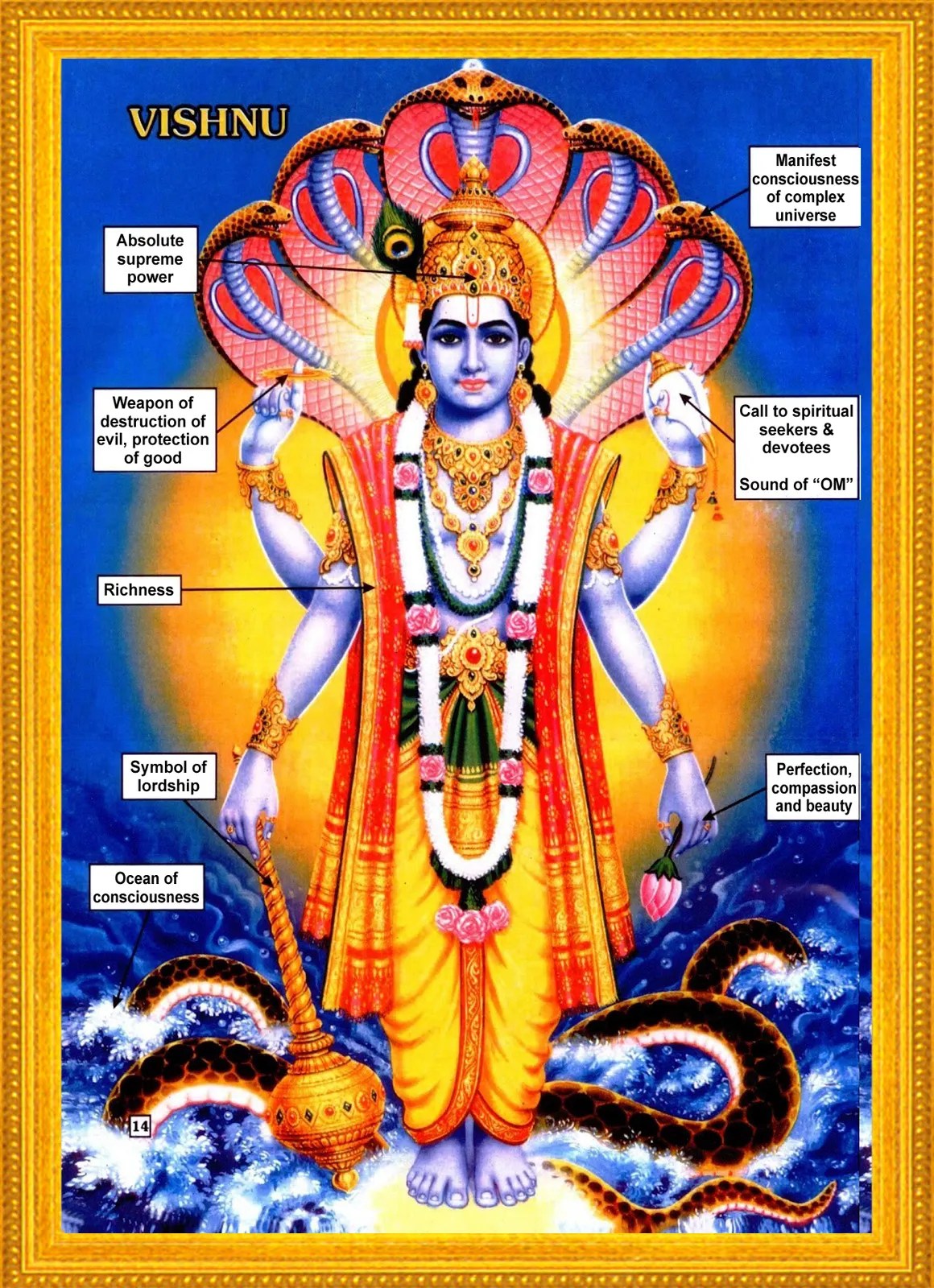
Vishnu is typically depicted with four arms, holding various symbolic objects that represent his divine powers. In one hand, he holds the conch shell (shankha), which symbolizes the sound of creation and the sacredness of water. In another, he wields the discus (chakra), a disc-like weapon that represents the cycle of time and the force of destruction. In his third hand, he holds a lotus flower (padma), signifying purity, beauty, and enlightenment. His fourth hand is typically raised in the gesture of protection (abhaya) or blessing (varada).
Vishnu is often associated with the color blue, which represents the vastness and tranquility of the ocean. He is also known by the names Narayana (meaning “the one who dwells in the waters”) and Hari (“the remover of sins”).
Lord of Love: Bhakti and Devotion
Beyond his role as the Preserver, Vishnu is also revered as the Lord of Love. He embodies the essence of bhakti, or devotional worship, and inspires countless devotees with his grace and compassion. Vaishnavism, a major sect of Hinduism, is dedicated to the worship of Vishnu and his incarnations.
Through bhakti, devotees seek to surrender their hearts and minds to the divine presence of Vishnu. They offer prayers, sing devotional songs, and perform rituals in his honor. By cultivating love and devotion, they aim to experience the ultimate union with the divine.
Conclusion
Vishnu, the Preserver of the Universe and Lord of Love, is a multifaceted deity who plays a vital role in the Hindu pantheon. Through his countless avatars and symbolic representations, he embodies the principles of balance, harmony, and devotion. As the object of worship for millions of devotees, Vishnu inspires a profound connection with the divine and guides the path of spiritual transformation.## The Many Forms Of The Hindu God Vishnu: The Preserver Of The Universe And Lord Of Love
Executive Summary
In Hinduism, Vishnu is revered as the Supreme Being and one of the three primary deities constituting the divine triumvirate along with Brahma and Shiva. As the Preserver, Vishnu plays a pivotal role in maintaining cosmic balance and harmony. Throughout history, he has manifested in various incarnations known as avatars, each embodying unique qualities and purposes. This article explores the diverse forms and attributes of Vishnu, shedding light on his multifaceted nature and profound significance in the Hindu faith.
Introduction
The Hindu pantheon boasts a vast array of gods and goddesses, each possessing distinct characteristics and fulfilling specific roles within the cosmic order. Among them, Vishnu holds a preeminent position as the Preserver, the force that protects and sustains creation. He is also known as the Lord of Love and Compassion, embodying the benevolent and nurturing aspects of the divine. Vishnu’s presence manifests in numerous forms, each reflecting a different facet of his multifaceted personality.
FAQs
Q: Who is Vishnu in Hinduism?
A: Vishnu is one of the three supreme deities in Hinduism, responsible for preserving the cosmic order and incarnating in various forms to protect the world.
Q: Why is Vishnu called the Preserver?
A: Vishnu’s primary role is to uphold cosmic balance by maintaining the universe, protecting the virtuous, and restoring harmony when necessary.
Q: How many incarnations of Vishnu are there?
A: According to Hindu tradition, Vishnu has manifested in ten primary incarnations, or avatars, each serving a specific purpose in the preservation of creation.
Top 5 Forms of Vishnu
Matsya: The Fish Avatar
- Description: This incarnation is the first avatar of Vishnu, appearing in the form of a fish to save humanity from a great flood.
- Purpose: Matsya rescued Manu, the progenitor of humanity, and the seven sages from the deluge, ensuring the continuity of life on Earth.
- Attributes: Wisdom, compassion, and the ability to traverse the depths of the cosmic ocean.
Kurma: The Tortoise Avatar
- Description: In this form, Vishnu assumed the shape of a gigantic tortoise to support Mount Mandara during the churning of the ocean of milk.
- Purpose: Kurma provided stability and balance to the cosmic mountain, allowing the gods and demons to extract the nectar of immortality.
- Attributes: Strength, patience, and unwavering support.
Varaha: The Boar Avatar
- Description: As Varaha, Vishnu took the form of a boar to rescue the Earth from the clutches of the demon Hiranyaksha.
- Purpose: Varaha retrieved the stolen Earth from the cosmic waters and restored it to its rightful place.
- Attributes: Courage, determination, and the ability to overcome obstacles.
Narasimha: The Man-Lion Avatar
- Description: This fierce incarnation of Vishnu is half-man and half-lion, embodying both human and divine qualities.
- Purpose: Narasimha appeared to vanquish the demon Hiranyakashipu, who had become invincible due to a boon granted by Brahma.
- Attributes: Divine fury, righteousness, and the ability to conquer evil.
Rama: The Perfect Avatar
- Description: Rama is considered the most important avatar of Vishnu, embodying the ideals of humanity and perfect conduct.
- Purpose: Rama’s purpose was to defeat the demon king Ravana and restore righteousness to the world.
- Attributes: Courage, virtue, compassion, and the ability to inspire devotion.
Conclusion
The diverse forms of Vishnu reflect his multifaceted nature as the Preserver of the Universe and the Lord of Love. Each avatar embodies unique qualities and fulfills a specific role in maintaining cosmic balance and upholding dharma. Through his incarnations, Vishnu demonstrates his boundless love and compassion, protecting the virtuous, restoring harmony, and guiding humanity towards enlightenment. As a symbol of hope and renewal, Vishnu continues to inspire and uplift devotees, reminding us of the divine presence that permeates all creation.
Keyword Tags
- Hindu God Vishnu
- Preserver of the Universe
- Lord of Love
- Incarnations of Vishnu
- Hindu Mythology